
 EN
EN  DE
DE From St. Paul up to the Schwanthalerhöhe
Description:
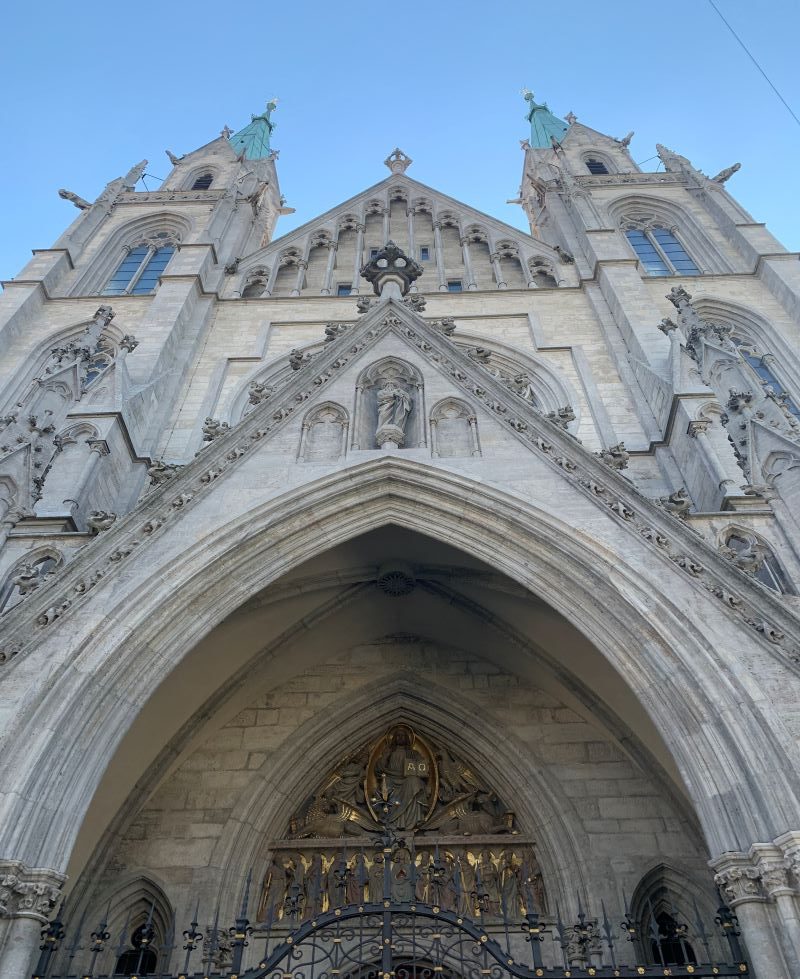
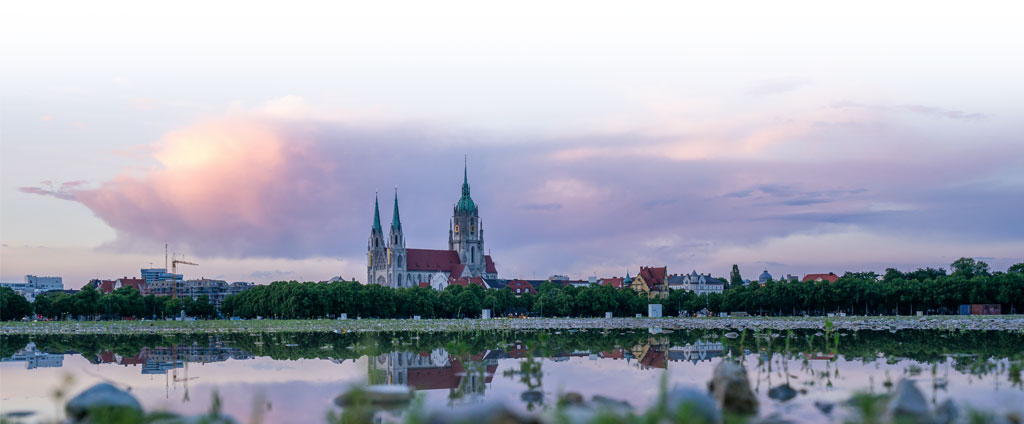
It's hard to believe how many eye-catching sights the short walk from the square in front of St. Paul's Church up to Schwanthalerhöhe offers! These often go unnoticed, however, because people usually only visit the Theresienwiese when Oktoberfest is on. But for those who would like to take a closer look at the richly decorated facade of St. Paul's, along with the magnificent art inside the church, this guided tour is just right for you.
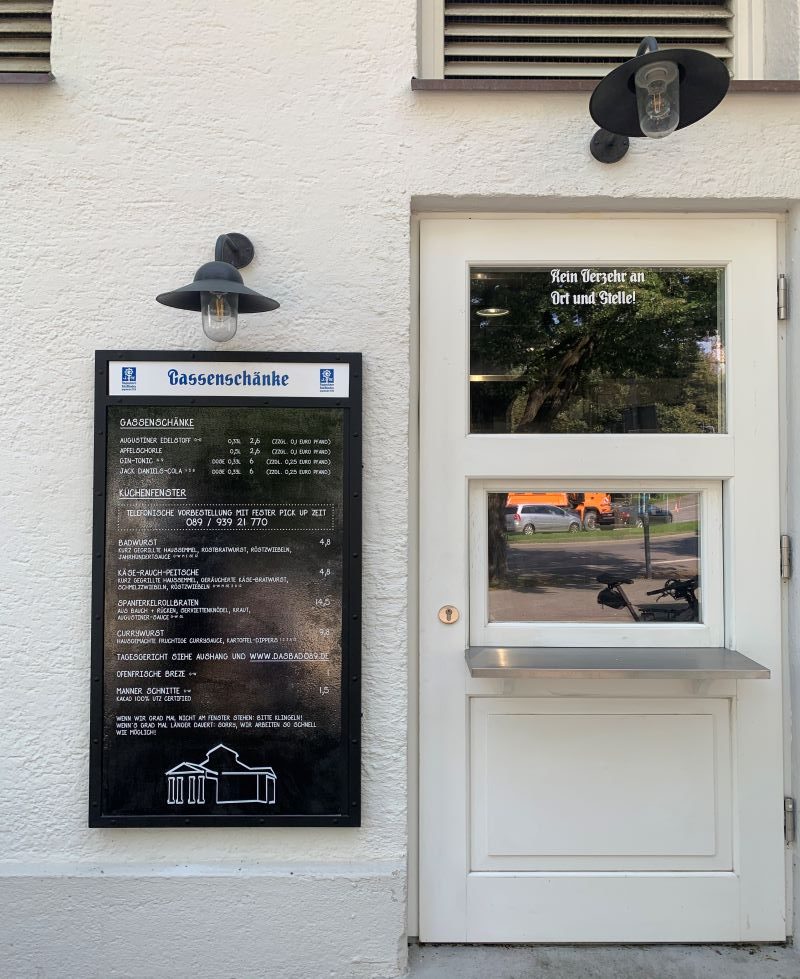
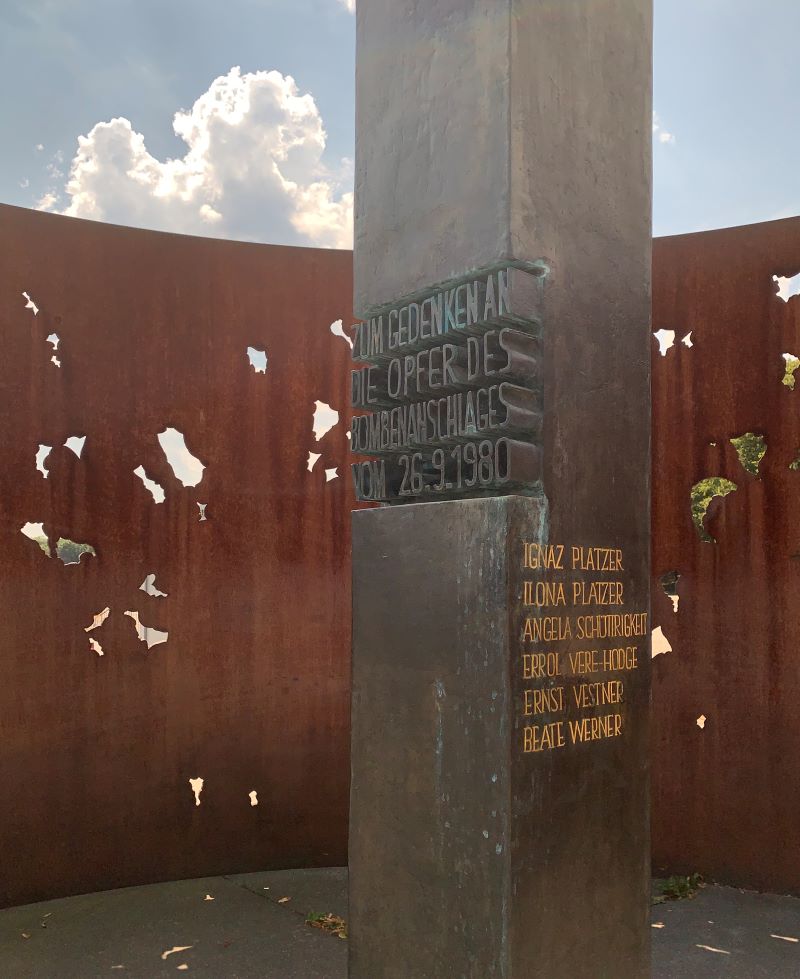
Along Bavariaring, we discuss the changes in the neighborhood, which are clearly visible at the former public bathhouse. Here we also find our entrance to the Oktoberfest grounds, where we naturally stop at the newly inaugurated memorial for the victims of the Oktoberfest bombing and learn about the events between 1980 and the present day.
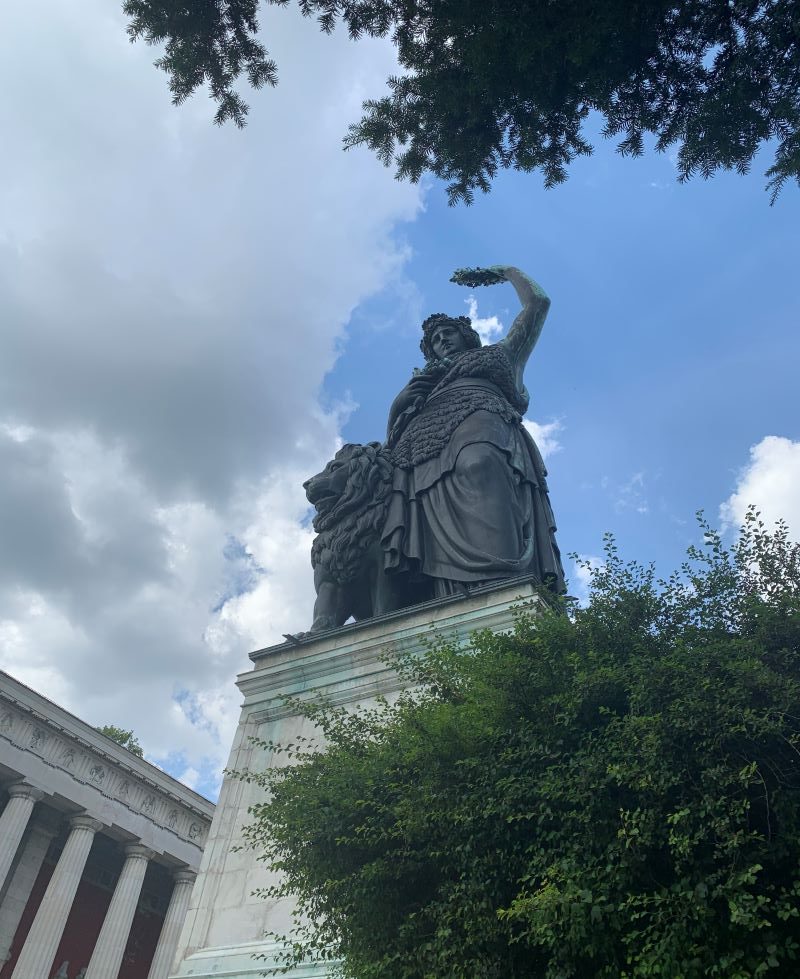
Along Wirtsbudenstraße, our destination is the grand dame of the grounds, the Bavaria statue. At its base, we climb to the former banks of the Isar River, which today is known by a less than refined name. Once at the top, we admire the architecture of the former trade fair grounds and learn why in Munich, a sip of beer is not only a treat but also a form of charity.
Read more
Sometimes necessity is the mother of invention! The news that Oktoberfest wouldn't take place in fall 2020 hit me hard, not only professionally. I was also very sad that there was actually no reason to stop by the Theresienwiese. Quite wrong – as it quickly turned out. Because the area around the Wiesn is not only simply beautiful, but also rich in history. I had to experience this myself, and now I'm even more excited to be able to show my guests this diverse and exciting area!
And for all fans of the series "Oktoberfest 1900," there's plenty to learn – because, of course, the history of the Oktoberfest also plays a role in our tour. I'll also be happy to show you from where the architect Emanuel von Seidl could observe the construction of his enormous beer palaces for the major Munich breweries in 1907, as they were being erected in response to the first large tent construction in the Wirtsbudenring (beer tent ring) that same year.
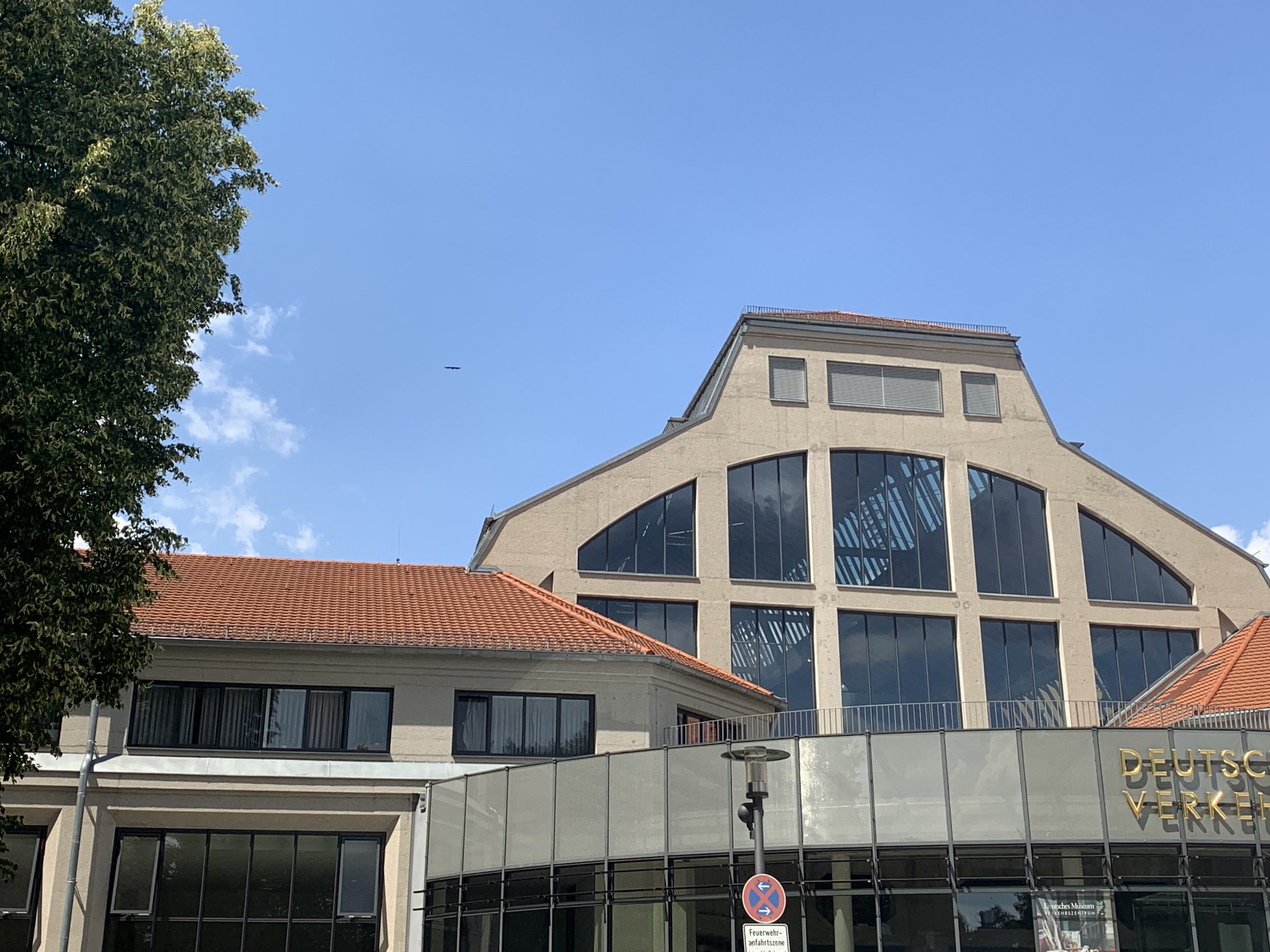
And after taking a closer look at the Bavaria, we'll continue on to the current home of the Deutsches Museum's Transport Center. In my experience, this part of the tour always brings back particularly rich memories, as my guests from Munich, in particular, can still vividly recall when things were really busy here before the trade fair moved to Riem. But even today, it's not exactly quiet here, as the old congress hall continues to be used for many events. I'm curious to hear what connection you personally have with this extraordinary area!
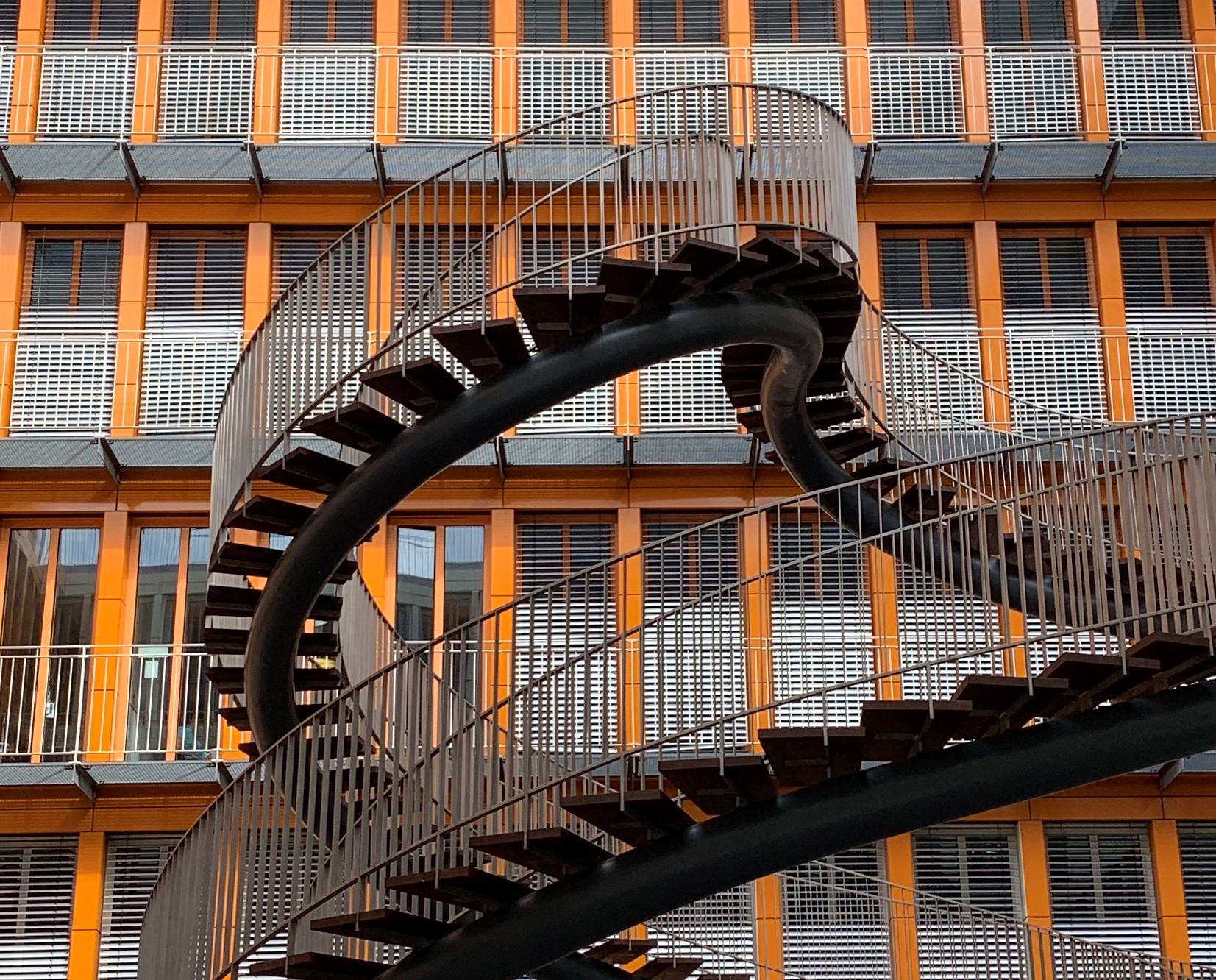
Our tour ends with an architectural highlight, before you can relax in one of the pubs in the Westend. Why not join me on one of my favorite walking tours?
At a glance:



The most important things in brief:
Meeting point:
At the newly designed St. Paul's Square, in front of the portal of St. Paul's Church (U4/U5)
Duration:
Bookable as a 2 or 3-hour tour
Distance:
approx. 2 km
Group size:
max. 25 people
Tailor-made:
You are welcome to combine this tour with my guided tour through the Westend.




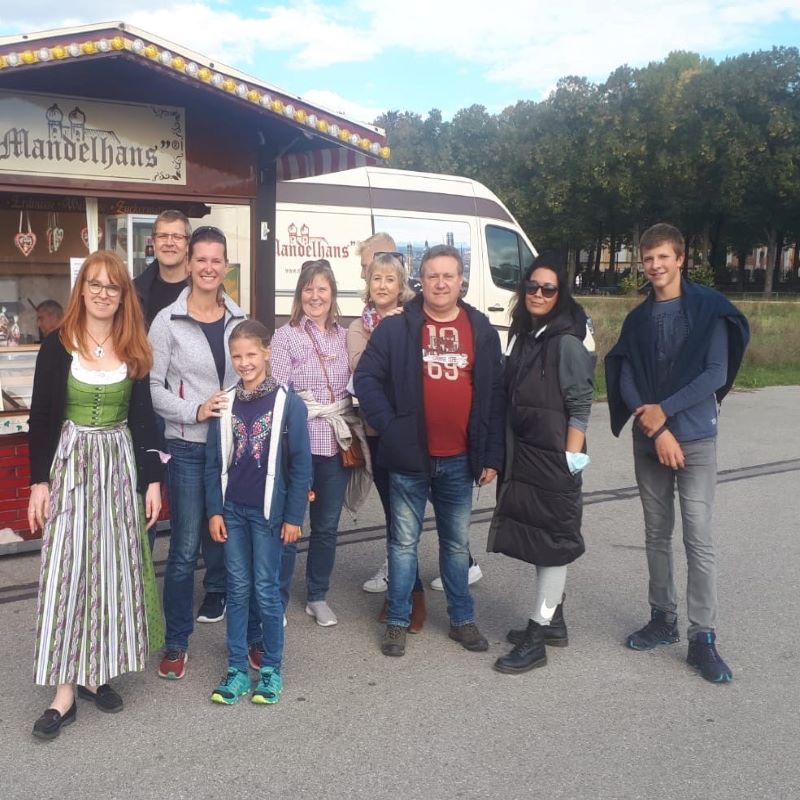
„"Our football club and I participated in the Oktoberfest tour – which, due to Corona, was without the actual Oktoberfest – and everyone, young and old, thoroughly enjoyed it. It was interesting, informative, and incredibly entertaining, and even for us Munich natives, there were many new and unusual things to discover. From now on, I'll only book city tours with Grit; thank you so much for a wonderful Sunday afternoon!"“
Daniela Schmidt from Munich, September 2020
My tips for before and after our tour:
This walk can be perfectly combined with a visit to the German Museum Transport Centre Connect – not only because the old exhibition halls are very impressive, but also because the mobility exhibition is absolutely worth seeing! And as far as the old models of bicycles, cars and other vehicles are concerned, one can certainly get quite nostalgic.
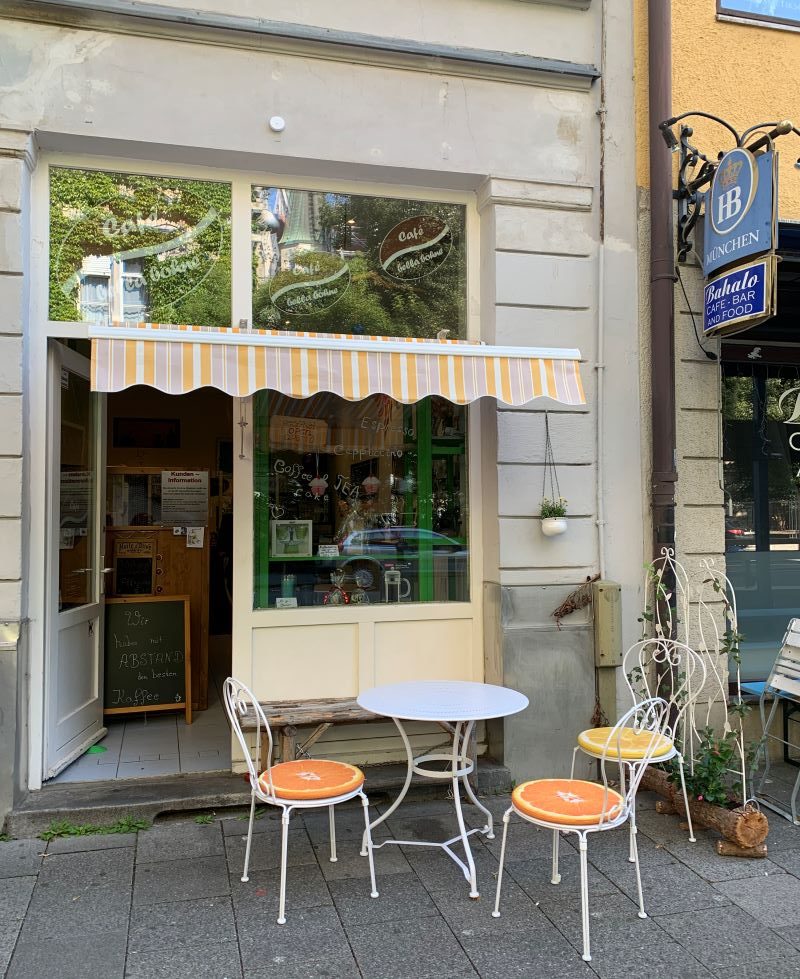
The surrounding districts also have a lot to offer, such as the Westend with its beautiful Gründerzeit-era workers' housing and numerous small cafes. If you're traveling with children, they'll definitely deserve a break after the tour at one of Munich's most beautiful playgrounds, which is just a stone's throw from the end of our tour. Or you could stroll back to Ludwigsvorstadt and treat yourself at the Café Mariandl Another fragrant cup of coffee. Or perhaps you'd simply let the day wind down on the steps of the Bavaria statue, dreaming of the next Oktoberfest…
Frequently asked questions:
We'd like to take the tour with friends. Would it be possible to have a beer during our tour?
Will the plane crash that occurred right next to St. Paul's Church also play a role in the tour?
Can the memorial for the victims of the Oktoberfest attack be visited at any time?
Still questions?
Write to me or just call me:
Grit Ranft
and the Dachau Concentration Camp Memorial