 EN
EN  DE
DE Munich in the resistance
Impressions

Description:
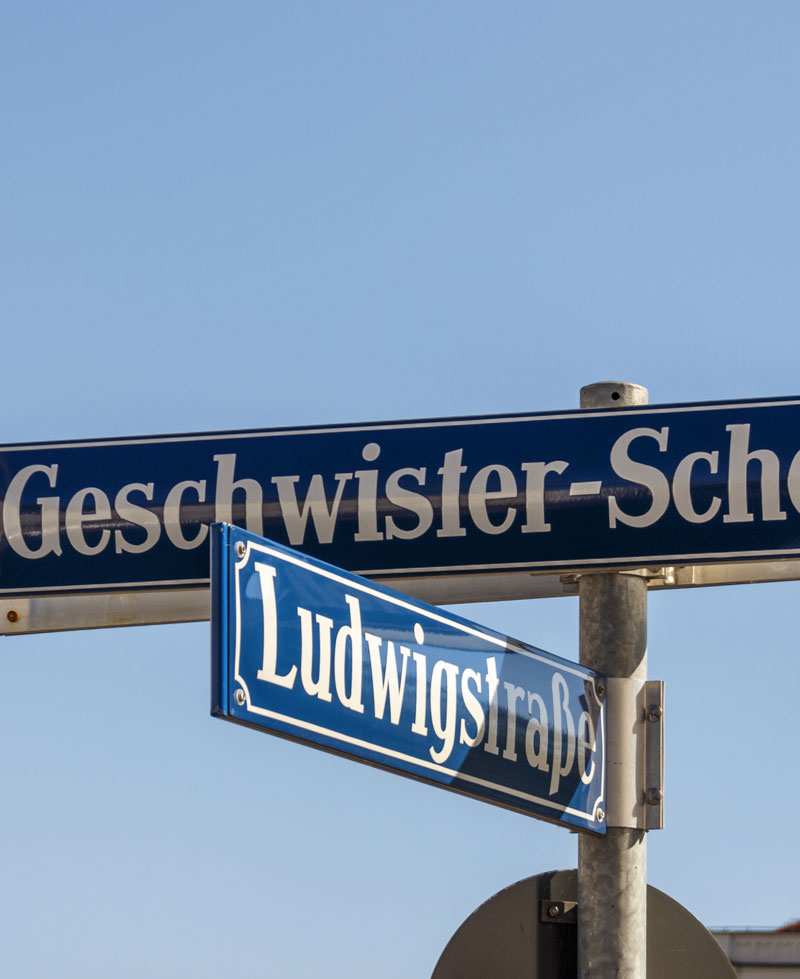
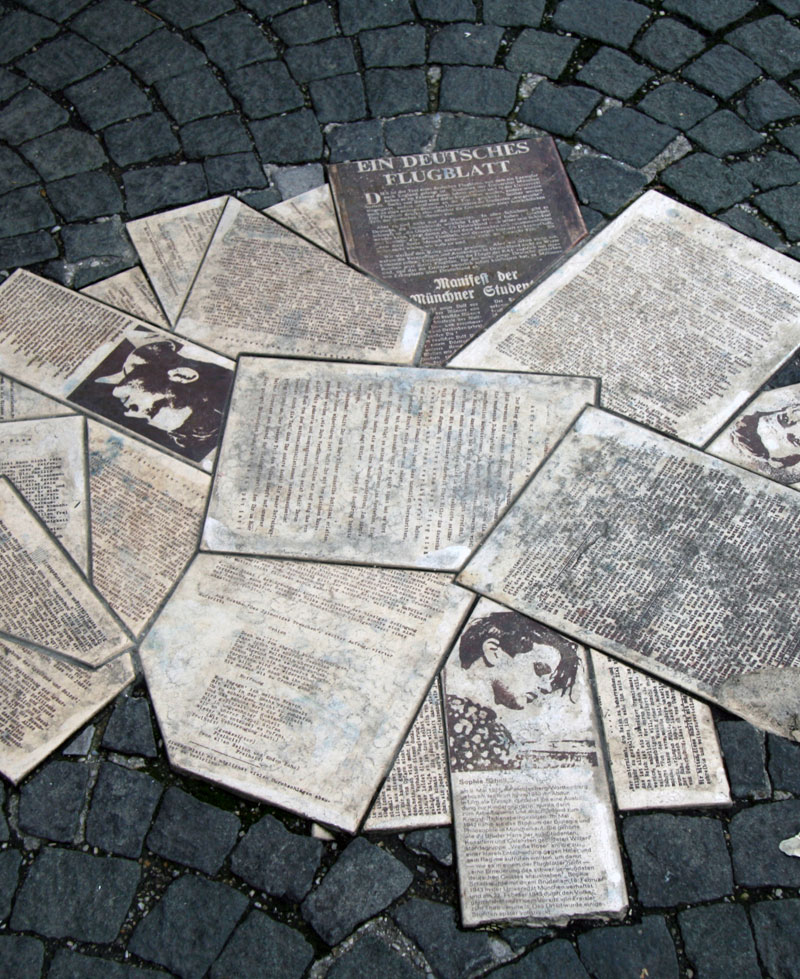
The focus of this tour is, of course, on the big names of the Munich resistance movement, such as the "White Rose," whose leaflets against the Nazi terror regime and for freedom drifted to the ground in the university's atrium; or Georg Elser, who as early as 1939 attempted to stop Adolf Hitler and the Nazi leadership by bombing the Bürgerbräukeller.
Along our journey, we also encounter figures who are less present in public memory, even though they too bravely and resolutely opposed the Nazi regime. They often acted from very different motives, which we will examine more closely in the context of Nazi ideology.
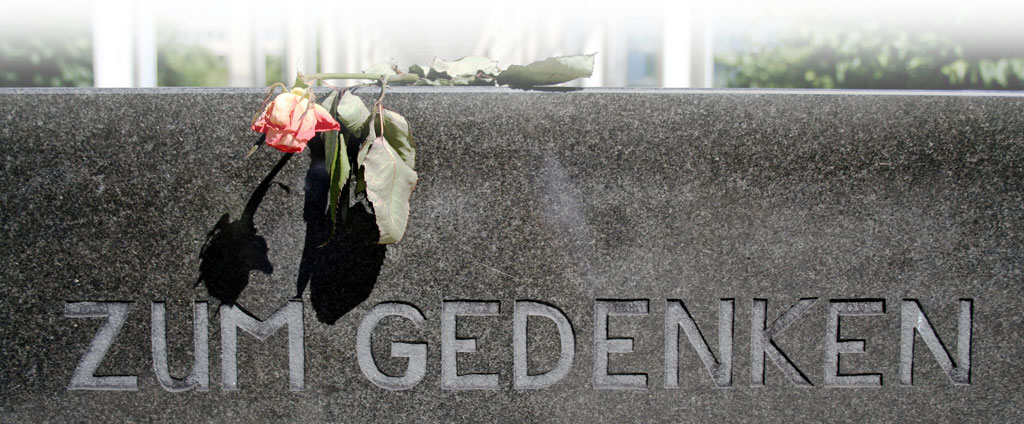
At selected memorial sites, we also see that Munich struggled for a long time with its National Socialist legacy, and that appropriate remembrance of the victims often became possible far too late.
Read more
Long before Munich was awarded the so-called "honorary title" of "Capital of the Movement," far-sighted people in Munich had recognized the danger of National Socialism and courageously opposed the new movement. We owe the thwarting of Hitler's Putsch of 1923 in part to a Bavarian politician whom I would like to introduce to you on our walk. The journalist Fritz Gerlich also foresaw the disenfranchisement of broad segments of the population, which he fought against early on in his magazine "Der gerade Weg" (The Straight Path). As early as 1934, he was deported to the Dachau concentration camp, where he was executed for his resistance.
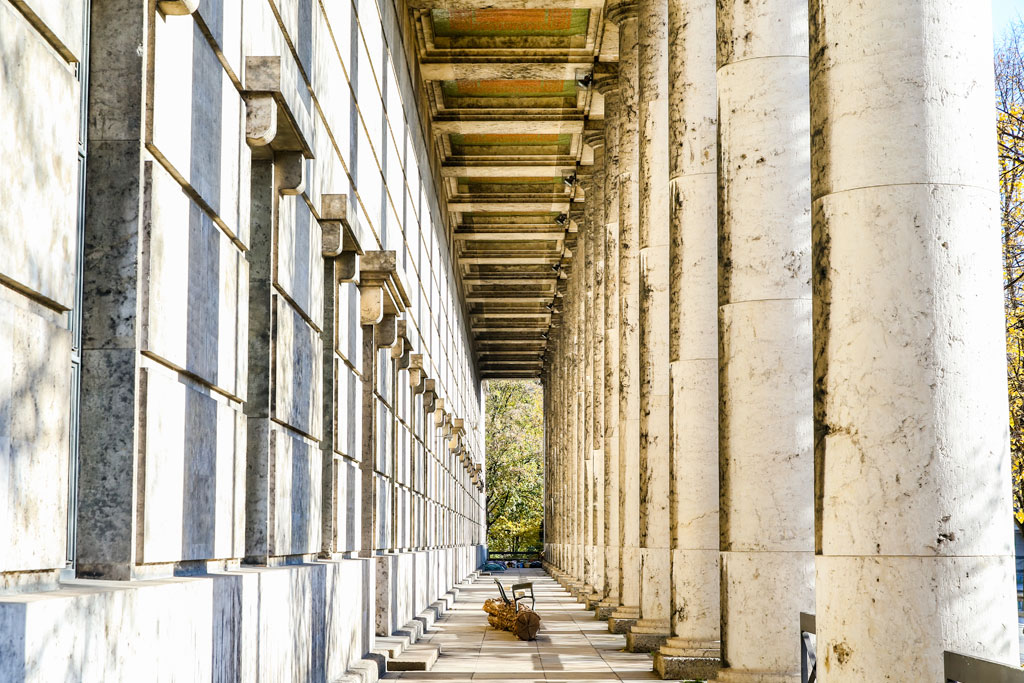
Artists and writers also fought the Nazi regime in their own unique ways; the best place to talk about this is at the Haus der Kunst, opened in 1938 as the "House of German Art," or at the State Library. Right next door today we find the Walter Klingenbeck Way, which commemorates the fate of a courageous and, unfortunately, reckless youth, a subject that students in particular enjoy exploring.
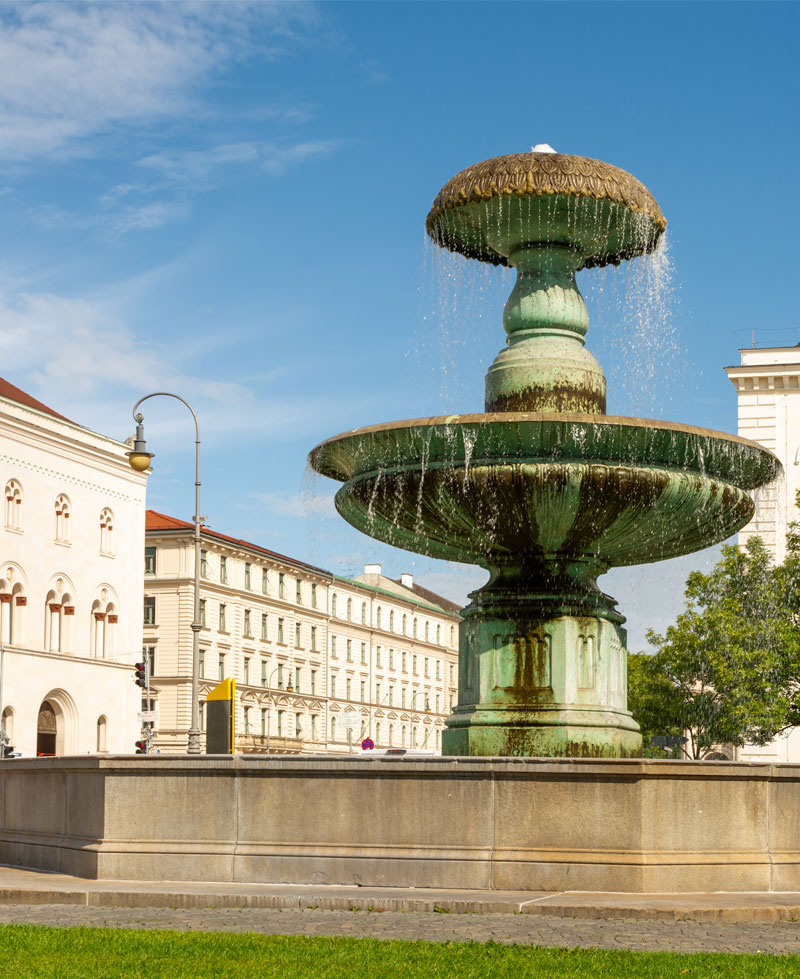
In front of the university, we are confronted with the ideals of the "White Rose" in a very concrete way, as an art installation commemorates its influence in intellectual student circles. There, we also have the opportunity to explore the group's lesser-known members and explore why, unlike many other resistance groups, the student group quickly became firmly established in public memory after the war.
Resistance even came from military circles, albeit only shortly before the fall of the regime. The resistance group "Freiheitsaktion Bayern" campaigned for a peaceful surrender of Munich to the Allies. The members executed for this at the end of April 1945 in what is now the Ministry of Agriculture continue to live prominently in the name of the popular "Münchner Freiheit" (Munich Freedom) – you just have to know!
At a glance:



The most important things in brief:
Meeting point:
As always, we would be happy to come to your hotel or according to your personal wishes;
Odeonsplatz (U3/U6 and U4/U5) is particularly suitable as a starting point.
Duration:
Bookable as a 2 or 3-hour tour
Distance:
approx. 2-3 km
Group size:
max. 25 people
Tailor-made:
I would be happy to combine this tour with parts of my "Capital of the Movement" tour for you; or perhaps you have a specific focus in mind? Just let me know, I'm happy to help!

Member of the Munich Tourist Guide Association eV



Member of the TIM Tourism Initiative Munich

„My four colleagues and I take a trip every year related to the history of the Second World War, and together we have already been to Berlin, Normandy, and St. Petersburg. This year our trip took us to Munich, and we had the pleasure of experiencing the guided tour on the topic of ‚Munich during the time of National Socialism / Resistance‘ with Ms. Grit Ranft.”.
We were impressed by the guided tour. Ms. Ranft's knowledgeable, insightful, varied, and engaging presentation brought the past vividly to life. The background information she provided was thought-provoking and sparked interesting discussions. The tour was a particular highlight of our stay.
With special thanks to Mrs. Grit Ranft, I send you my kind regards.“
Martin C. Zumstein, Switzerland June 2015
My tips for before and after our tour:
After this demanding tour, the students especially deserve a change of pace – why not simply take the subway from Schwabing to the Olympic grounds, where they can relax perfectly? Of course, not without first stopping for a meal in one of the many student pubs around the university.
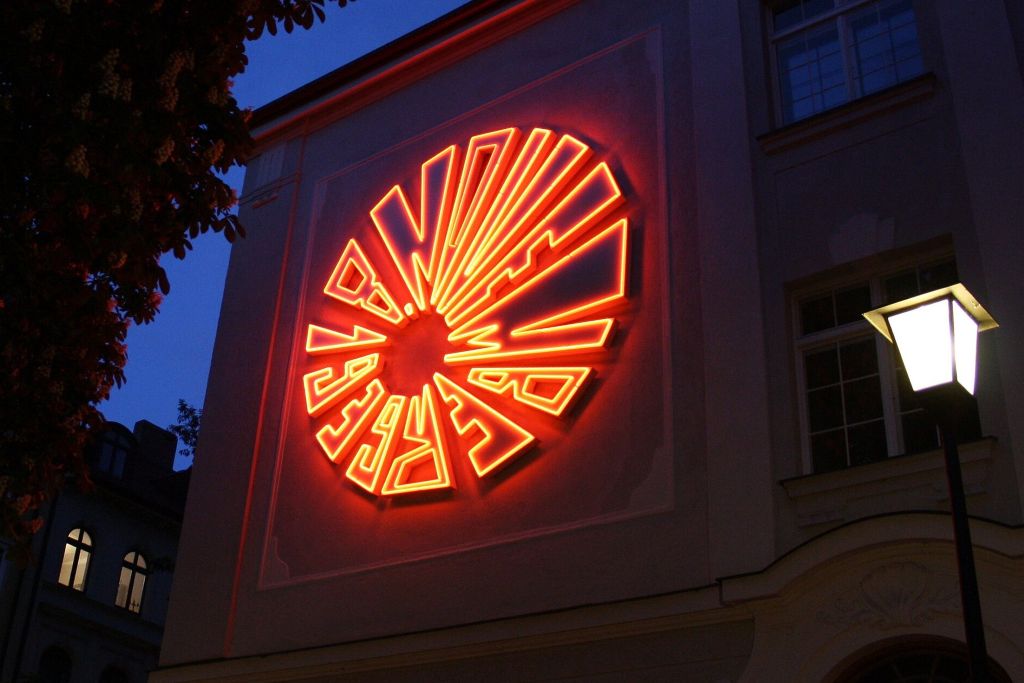
A walk through the English Garden to Beer garden at the Chinese Tower Of course, this is also an option in summer! If you're out and about in the evening, then the famous inn "„Old Simple“to reserve a table. Because directly opposite, you can see the light installation „November 8, 1939“ by Silke Wagner every day at 9:20 pm, which commemorates Georg Elser and his assassination attempt.”.

Frequently asked questions:
Can this tour be combined with the “Capital of the Movement” tour?
Can you see other sights in Munich on this route?
Will you pass the Bürgerbräukeller on this tour?
Still questions?
Write to me or just call me:
Grit Ranft
and the Dachau Concentration Camp Memorial