
 EN
EN  DE
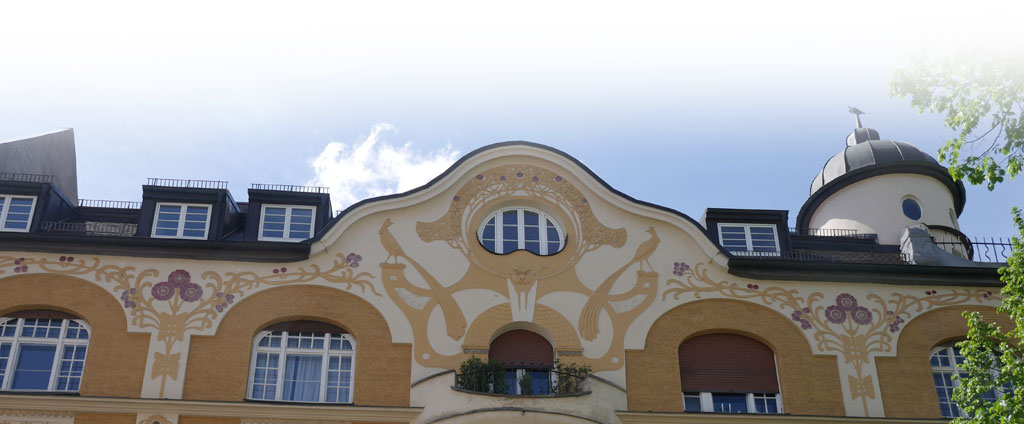
DE Bogenhausen and Art Nouveau
Impressions
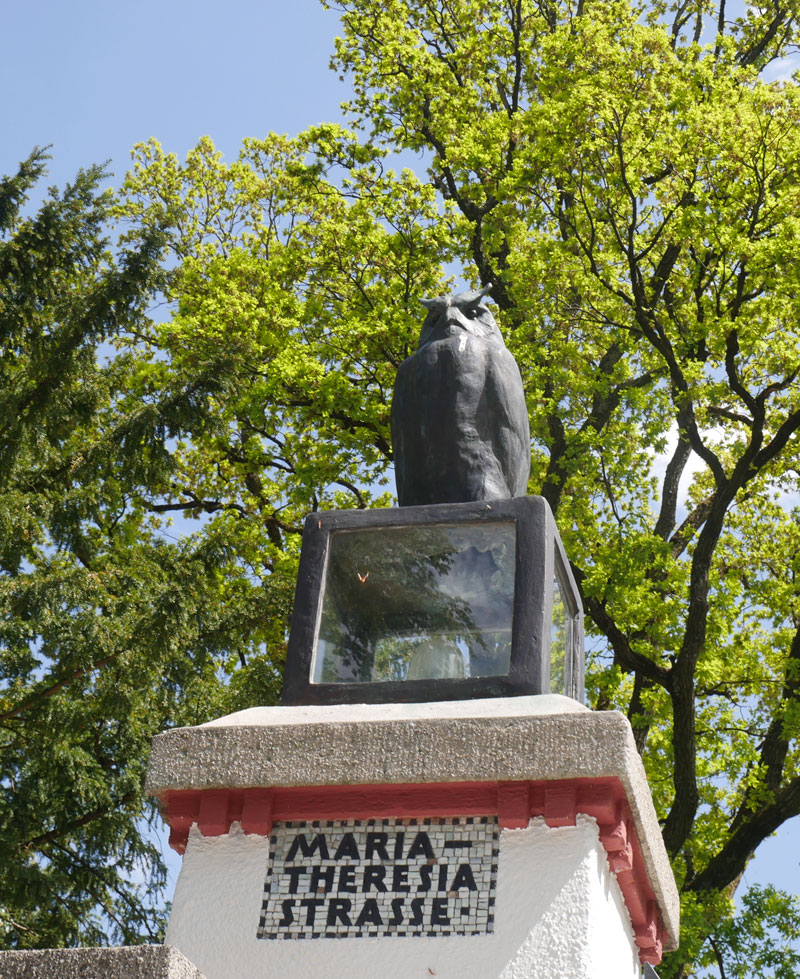
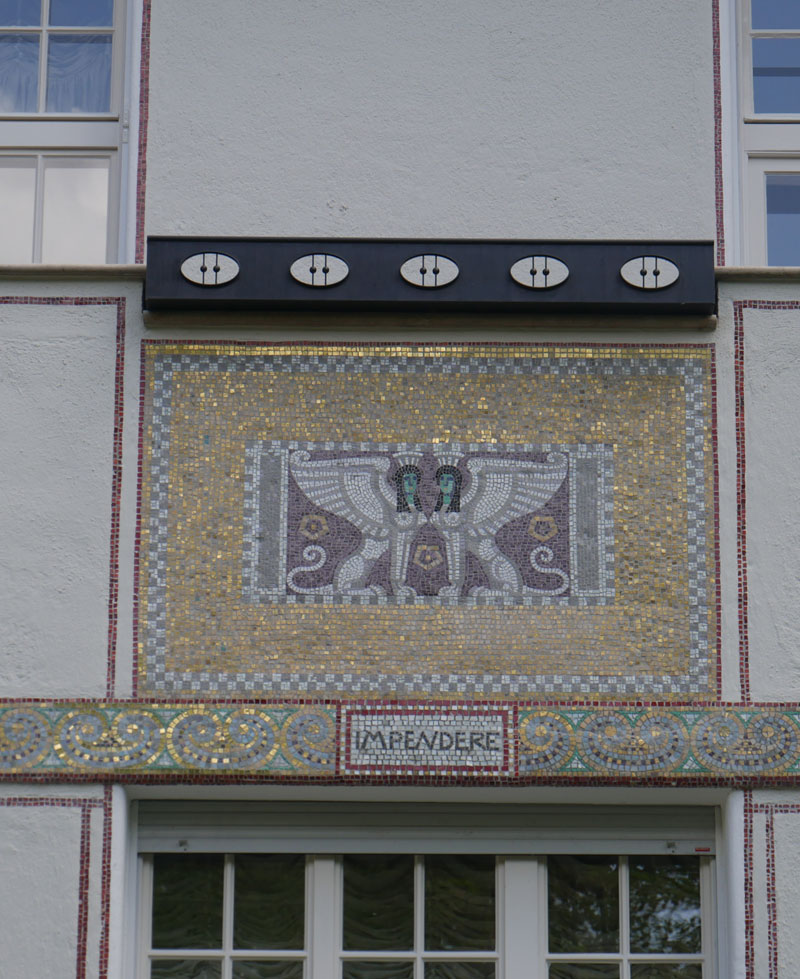
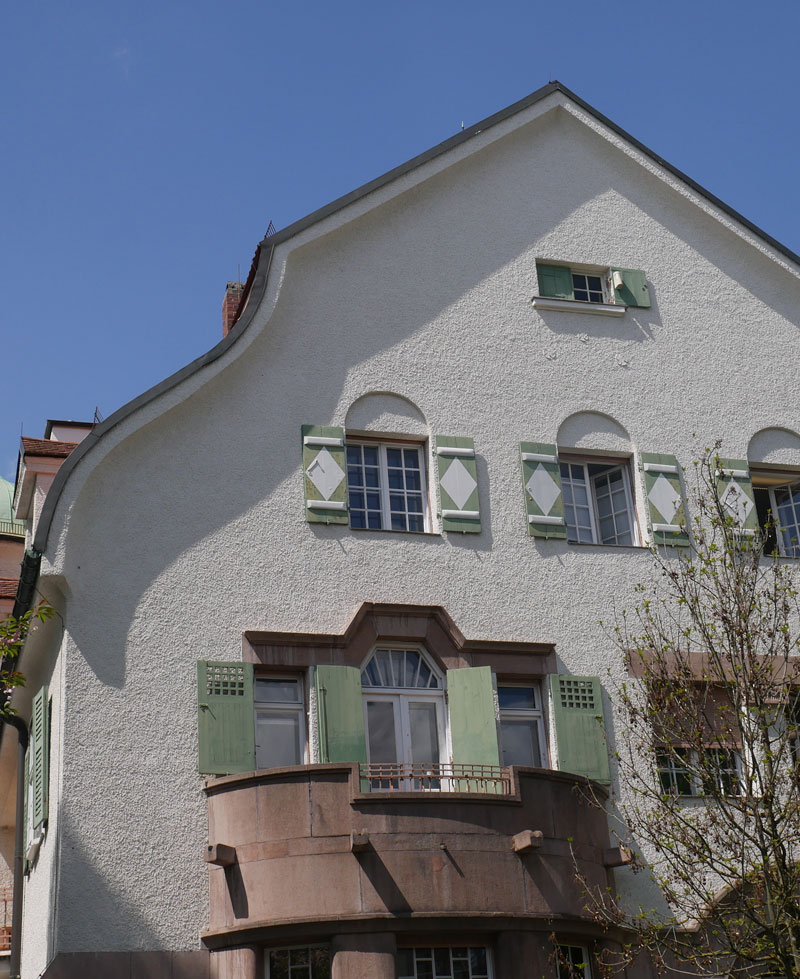
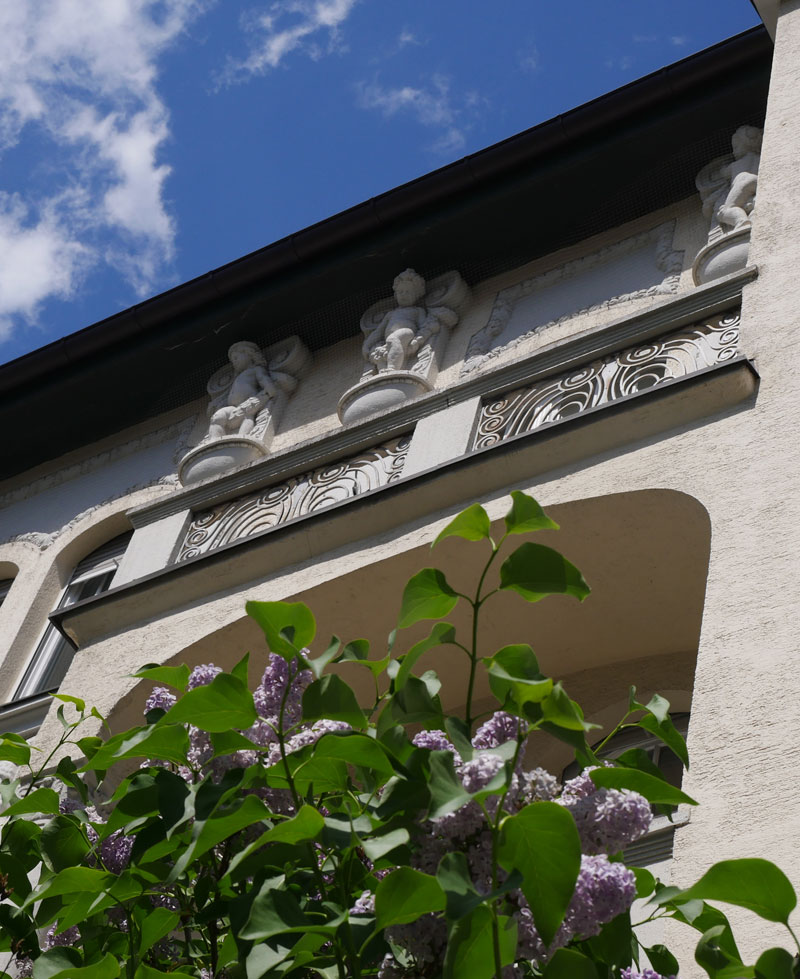
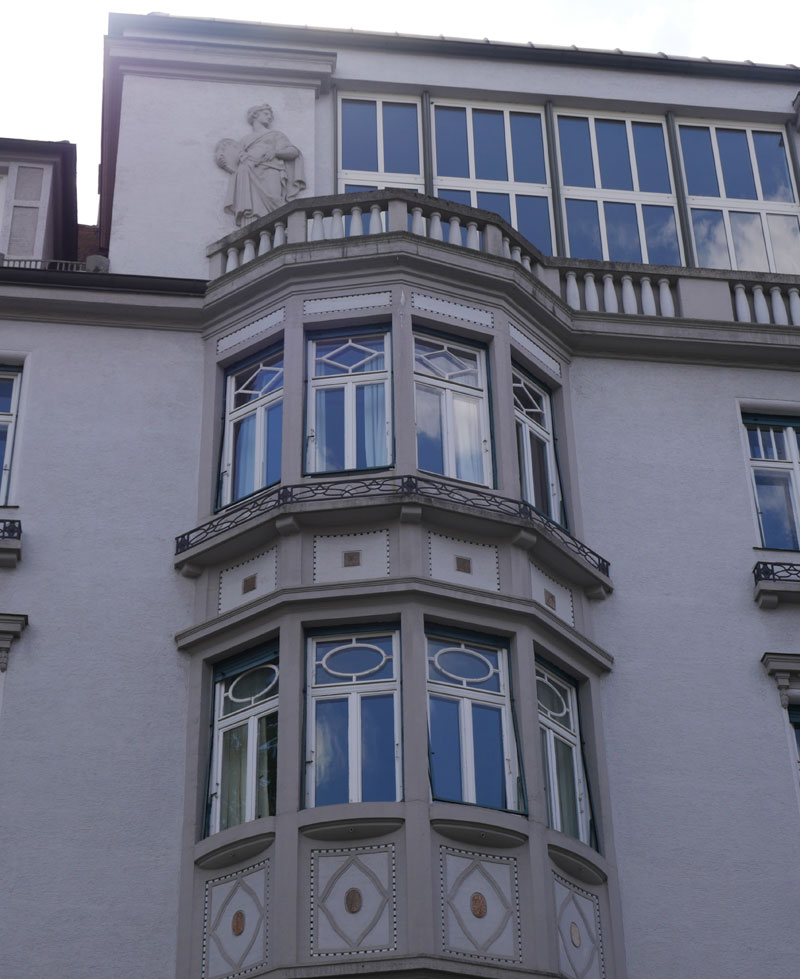
Description:
A stroll between sophisticated displays of power and Gründerzeit-era luxury – who wouldn't be captivated by that!
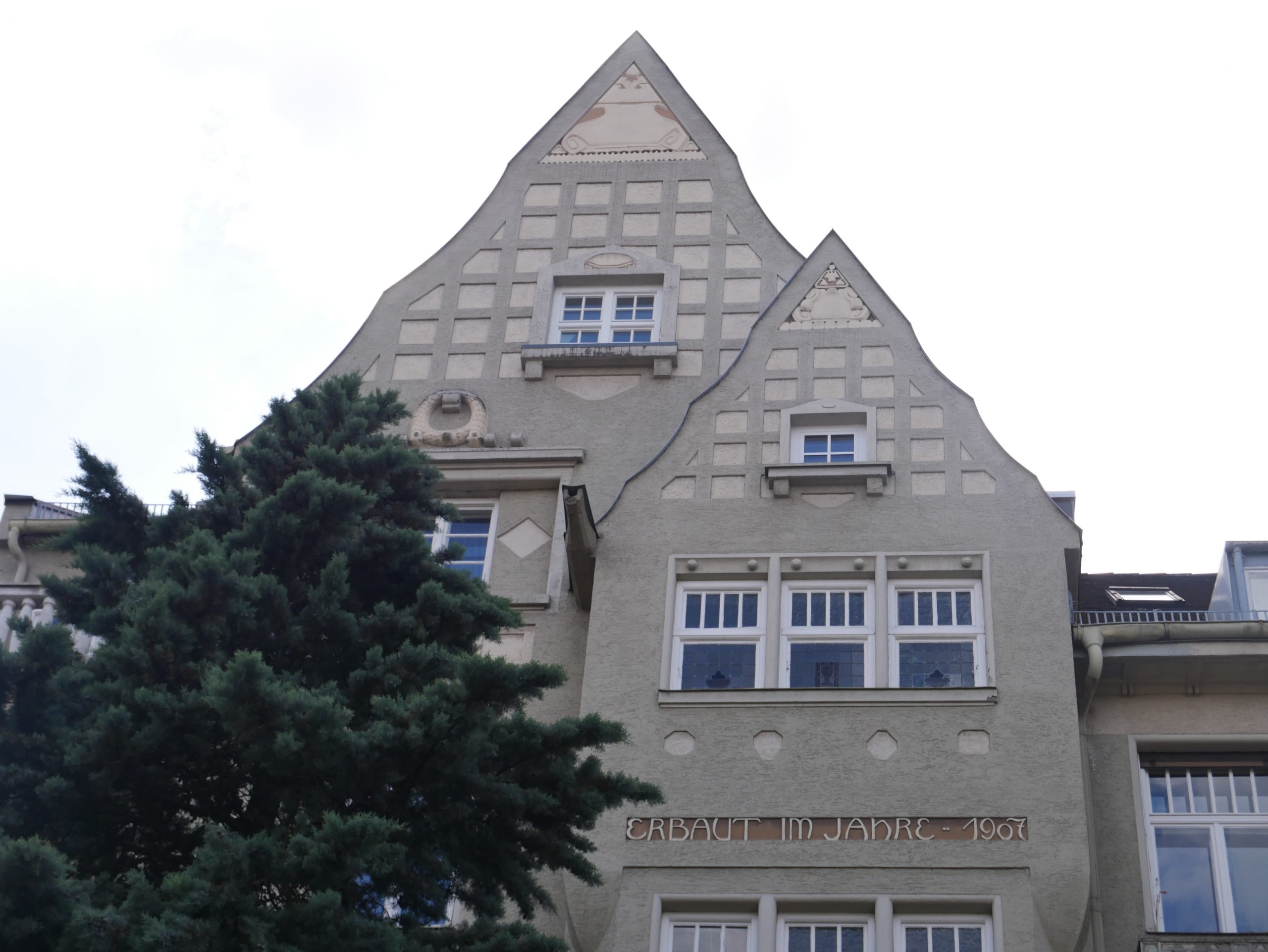
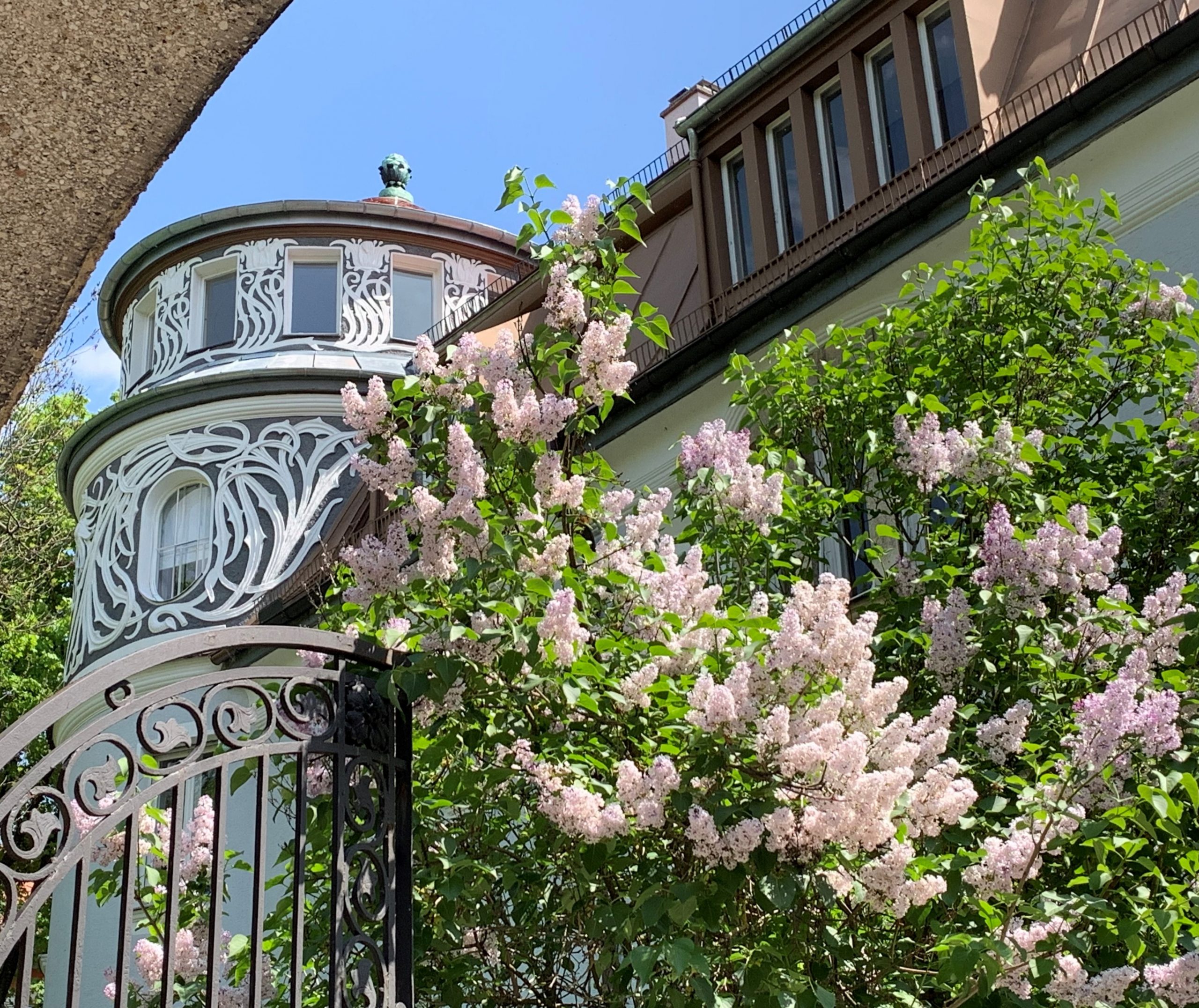
The Bogenhausen villa colony was built between 1900 and the First World War, when Munich's high society commissioned renowned architects to design their prestigious residences in this new development. As we enjoy this setting in what is still a pleasantly quiet area, we will focus on some examples of Art Nouveau architecture. We will explore the concept of the artists of that time, who aimed to create a unified work of art encompassing architecture, interior design, furniture, lighting, jewelry, and fashion, by imagining what life behind these facades might have been like a century ago.
A lively journey through time to the contemporaries of the Prince Regent, who definitely set standards with "his" theater on this side of the Isar!
Read more
Shortly after 1900, a new bridge, along with the magnificent Prinzregententheater, attracted more and more wealthy citizens to the eastern bank of the Isar. And on the spacious plots, the primary goal was to create a refuge befitting their social standing. Whether high-ranking civil servants, manufacturers, scientists, or cultural figures such as painters, writers, and artistic directors, they all wanted one thing above all else with their new home: to represent their identity! We can still draw inspiration from this on our walk today, as these Wilhelminian-era villas remain a delight!
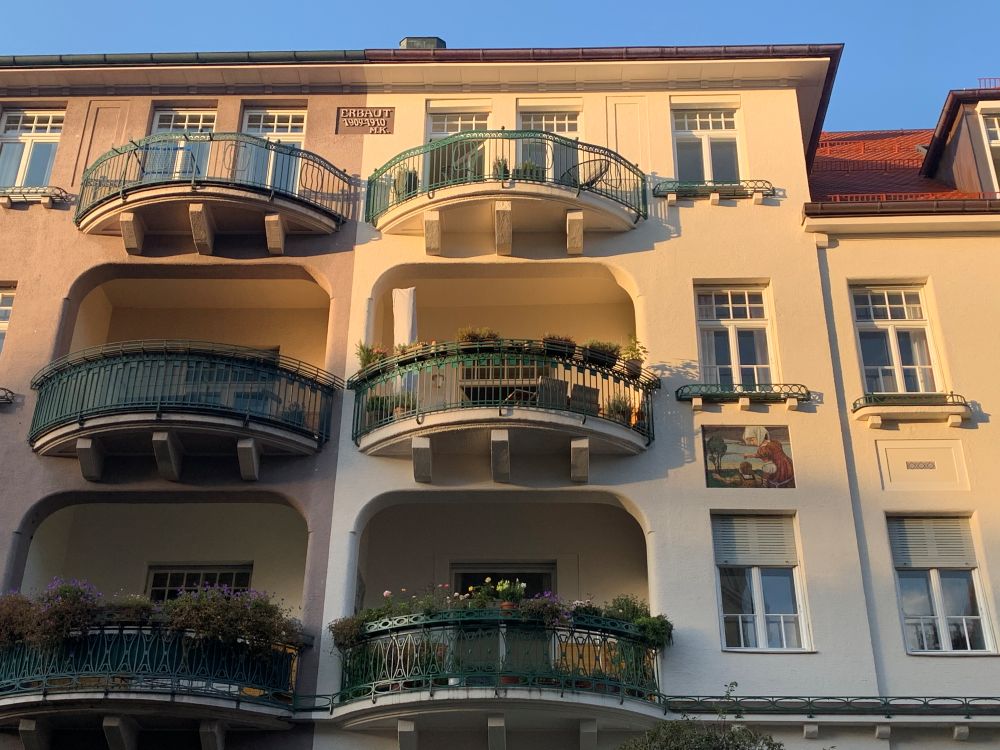
In stark contrast to Schwabing, where we primarily encounter apartment buildings divided into separate units, the residential district of Bogenhausen also captivates with its impressive gardens, often with matching coach houses – always worth a visit no matter the season! The tranquility of the streets is largely thanks to Theodor Fischer's concept of "picturesque town planning," whose brilliant ideas are particularly evident in Bogenhausen. But not only the villas, but also an impressive ensemble of Art Nouveau terraced houses lies along our route – I'll tell you right here that this is one of my absolute favorite streets in all of Munich.
Even though comparisons with the originals in some places reveal that Art Nouveau architecture was considered old-fashioned and unfashionable, especially after the war, many of the buildings are now in excellent condition. Yet the artists of that time were not only concerned with architecture; they were also interested in a new attitude to life, affecting many areas of existence. Thus, Bogenhausen offers a good opportunity to explore the new ideas of the time, whether artistic freedom or the reform movement, fashion, dance, or women's emancipation.
I would be delighted to share some of my enthusiasm for this topic with you!
At a glance:


Immerse yourself in the era around 1900. We stroll through impressive streets between Prinzregentenplatz and the old village center of Bogenhausen.

The most important things in brief:
Meeting point:
preferably in front of the Prinzregententheater (U4 and bus line 100)
Duration:
Bookable as a 2 or 3-hour tour
Distance:
approx. 2-3 km
Group size:
max. 25 people
Tailor-made:
Would you like to include the picturesque old Bogenhausen cemetery in the tour? If so, please let me know!

Member of the Munich Tourist Guide Association eV



Member of the TIM Tourism Initiative Munich
My tips for before and after our tour:
If you want to plan the perfect day around this tour, then I can definitely recommend a visit to the Villa Stuck Highly recommended. Not only the special exhibitions, the former living quarters of the artist Franz von Stuck, or the picturesque garden, but also the museum café are worth a visit.
If you get really hungry in between, you can certainly try "„in the beetle“drop by, an institution that delighted guests with their snacks after the reopening of the Prinzregententheater following the war and practically invented the „party service“.
Our day concludes peacefully after the guided tour at the Old Cemetery in Bogenhausen, where one can not only enjoy the tranquility but also search for the graves of famous Munich residents such as Helmut Fischer alias Monaco Franze, Erich Kästner or Liesl Karlstadt.

Frequently asked questions:
Which architects play a role in this tour?
Is the cemetery in Bogenhausen included in the tour?
Can the tour be combined with other tours on this topic?
Still questions?
Write to me or just call me:
Grit Ranft
and the Dachau Concentration Camp Memorial