
 EN
EN  DE
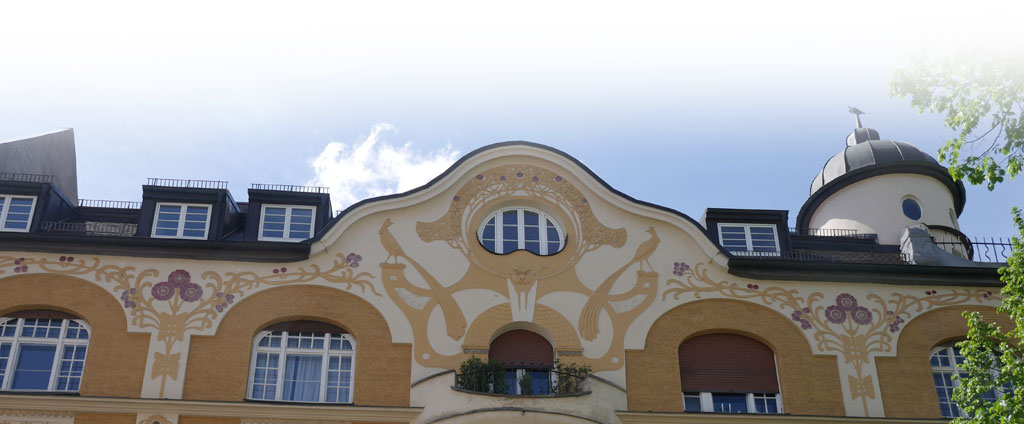
DE Bogenhausen und der Jugenstil
Impressions
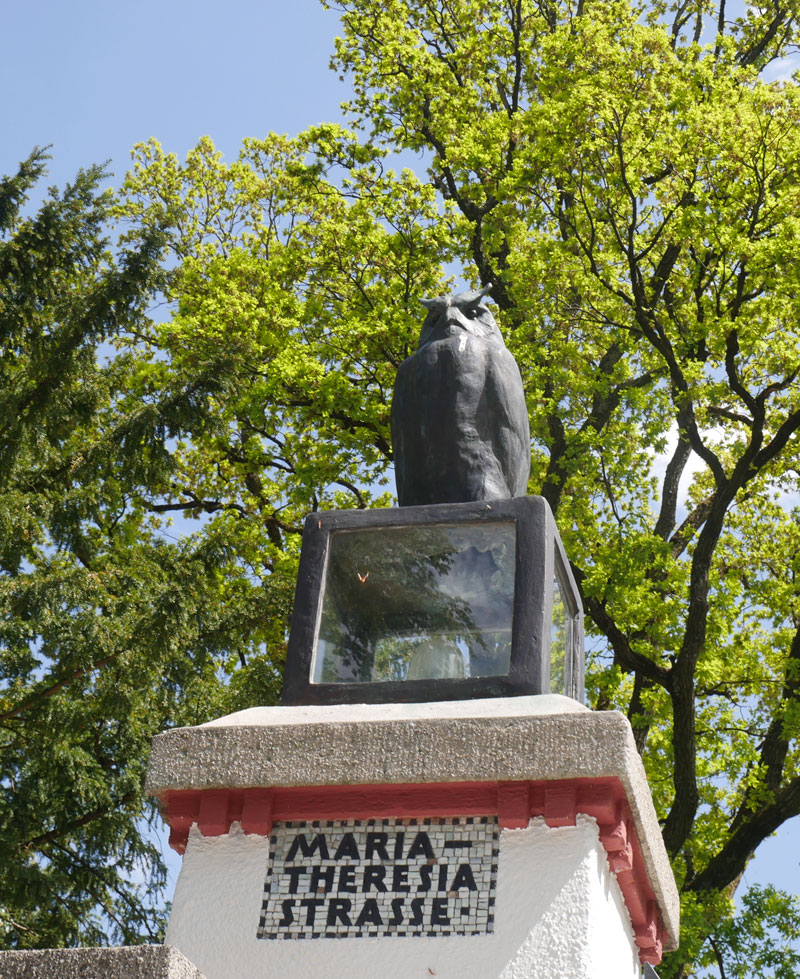
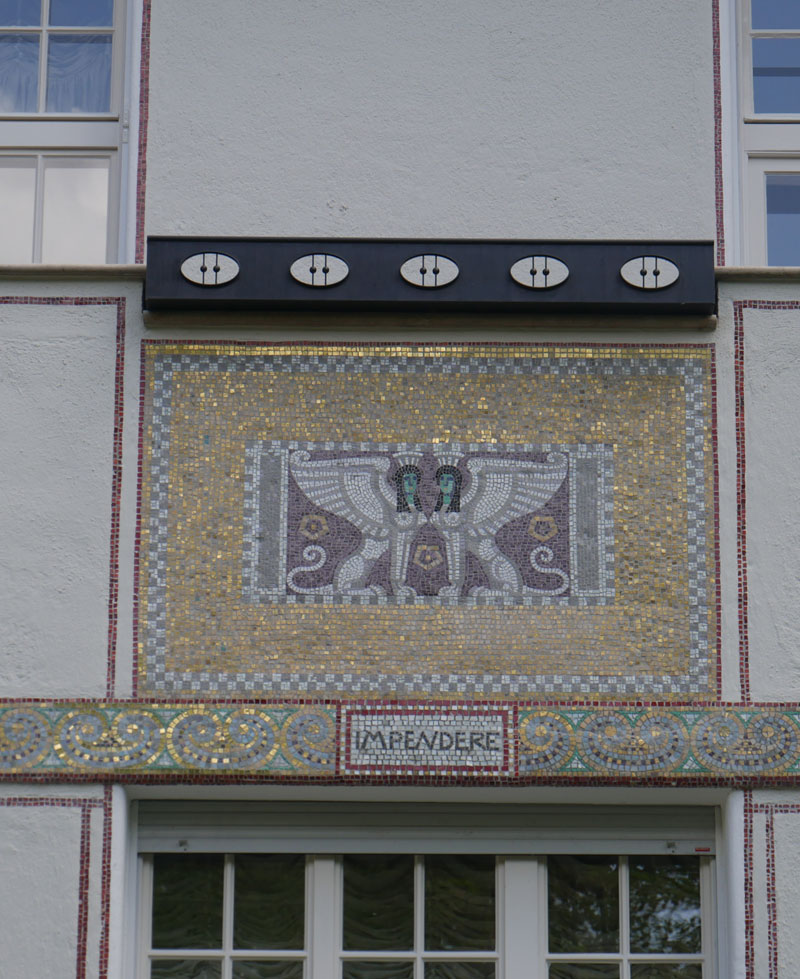
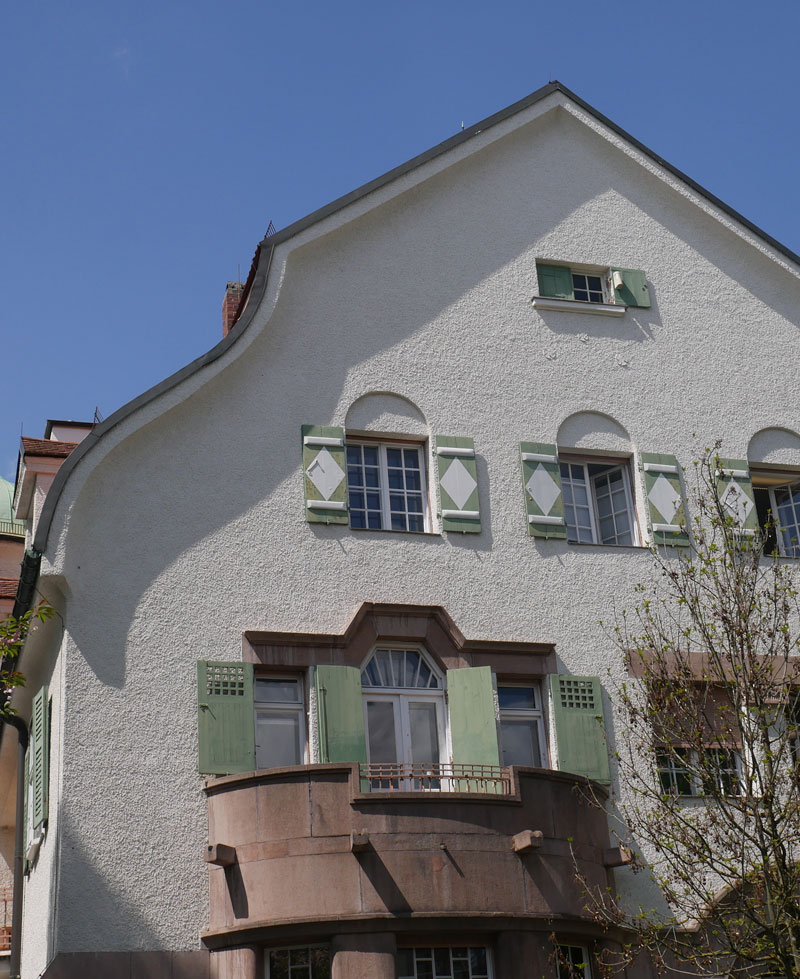
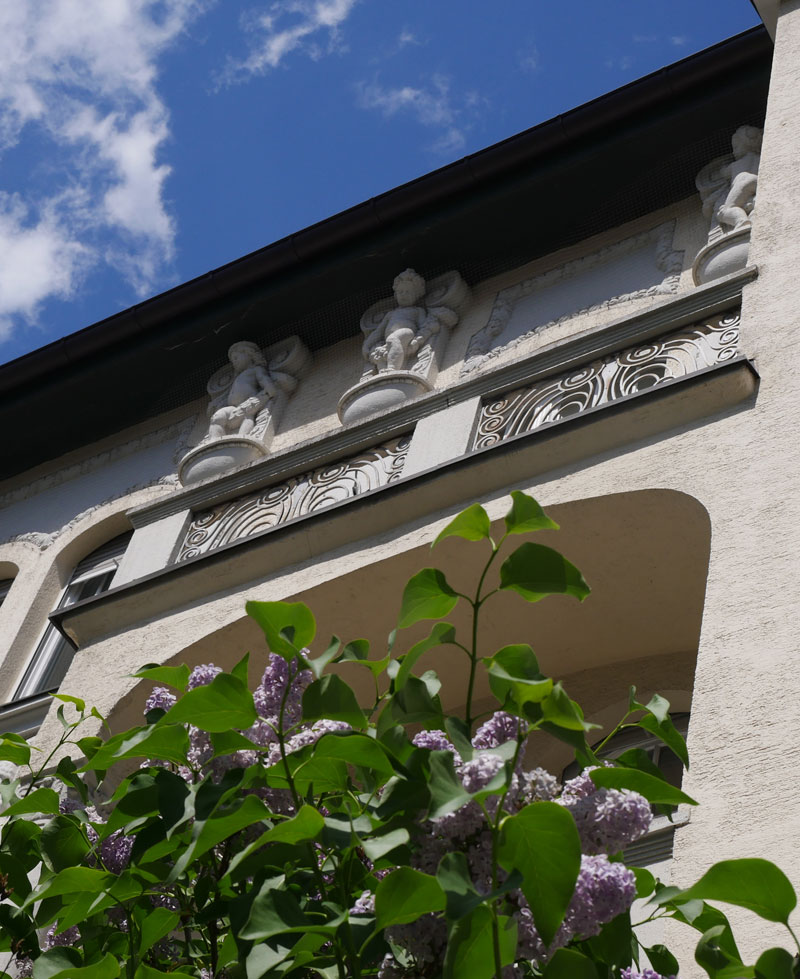
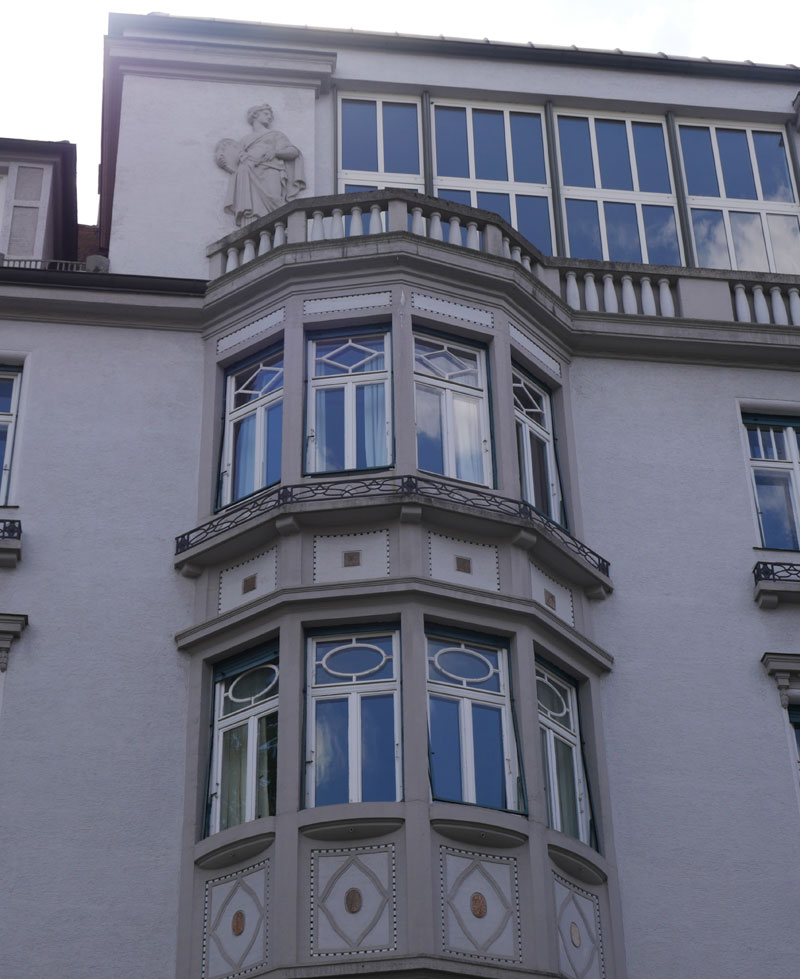
Description:
Ein Spaziergang zwischen mondänem Repräsentationsbedürfnis und gründerzeitlichem Luxus – wer kommt da nicht ins Schwärmen!
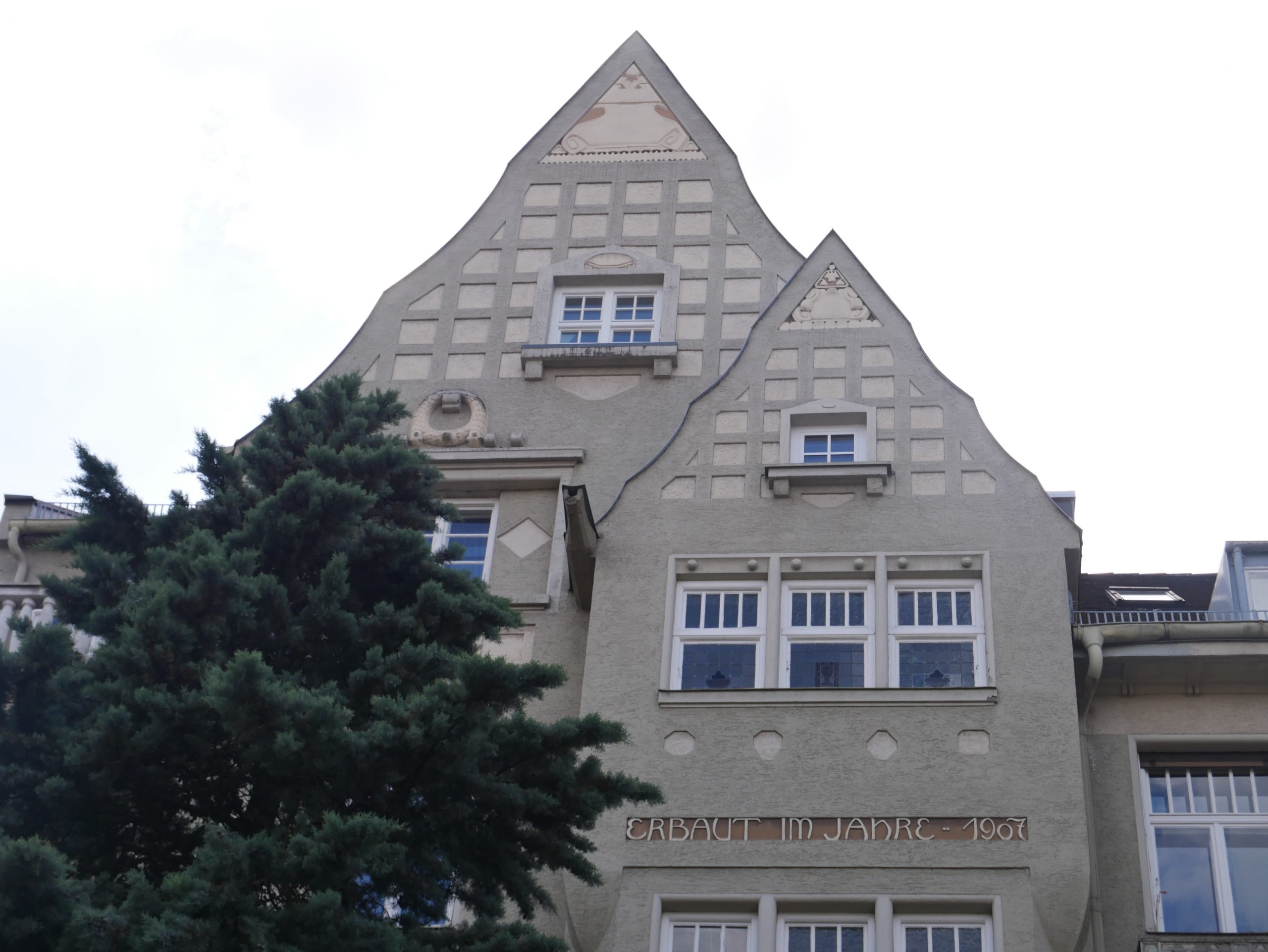
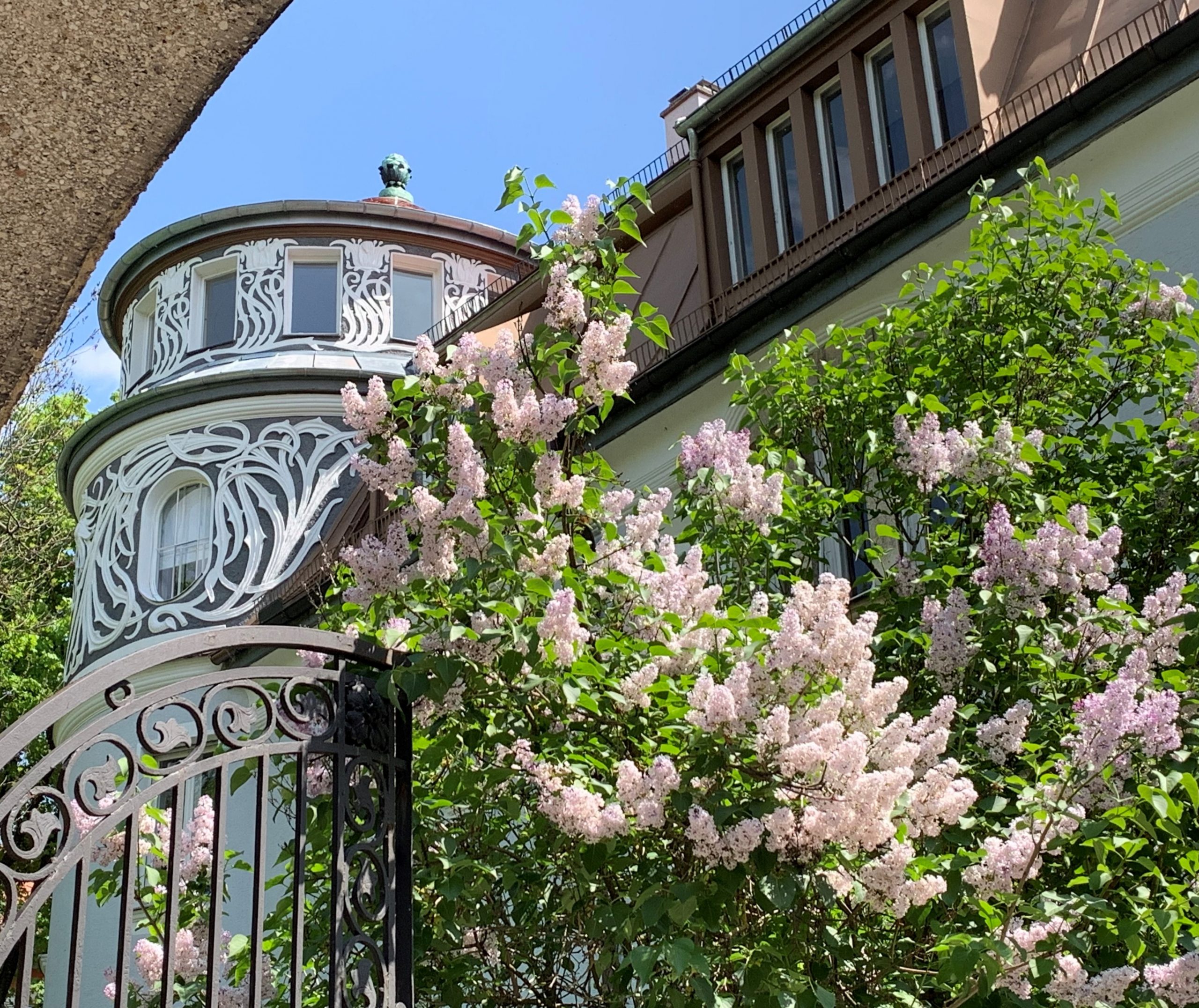
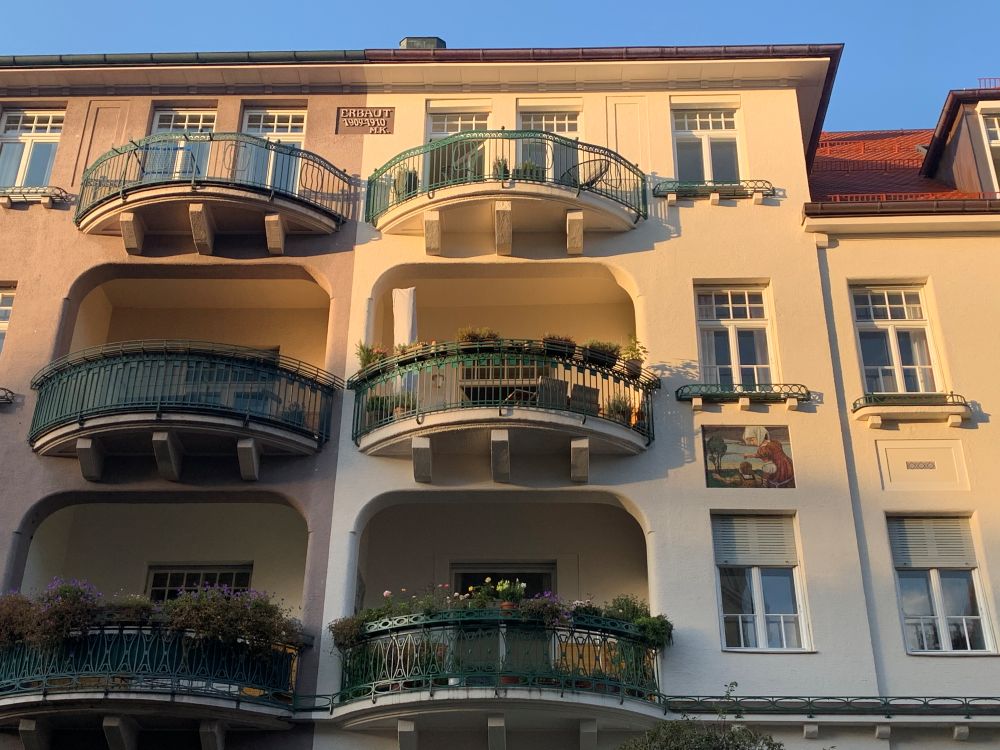
Die Villenkolonie Bogenhausen entsteht zwischen 1900 und dem Ersten Weltkrieg, als sich die Münchner High Society in diesem Neubaugebiet von namhaften Architekten ihre repräsentativen Refugien planen lässt. Während wir diese Kulisse in der heute noch angenehm ruhigen Gegend genießen, wollen wir uns auf einige Beispiele der Jugendstilarchitektur konzentrieren. Dabei ergründen wir die Idee der damaligen Künstler, mit ihren Objekten ein Gesamtkunstwerk aus Bauwerk, Raumausstattung, Möbeln, Beleuchtung, Schmuck und Mode zu schaffen, indem wir uns vorstellen, wie das Leben hinter diesen Fassaden wohl vor gut 100 Jahren ausgesehen haben mag.
Eine beschwingte Zeitreise zu den Zeitgenossen des Prinzregenten, der mit „seinem“ Theater auf dieser Isarseite definitiv Maßstäbe setzte!
Read more
Shortly after 1900, a new bridge, along with the magnificent Prinzregententheater, attracted more and more wealthy citizens to the eastern bank of the Isar. And on the spacious plots, the primary goal was to create a refuge befitting their social standing. Whether high-ranking civil servants, manufacturers, scientists, or cultural figures such as painters, writers, and artistic directors, they all wanted one thing above all else with their new home: to represent their identity! We can still draw inspiration from this on our walk today, as these Wilhelminian-era villas remain a delight!
In stark contrast to Schwabing, where we primarily encounter apartment buildings divided into separate units, the residential district of Bogenhausen also captivates with its impressive gardens, often with matching coach houses – always worth a visit no matter the season! The tranquility of the streets is largely thanks to Theodor Fischer's concept of "picturesque town planning," whose brilliant ideas are particularly evident in Bogenhausen. But not only the villas, but also an impressive ensemble of Art Nouveau terraced houses lies along our route – I'll tell you right here that this is one of my absolute favorite streets in all of Munich.
Even though comparisons with the originals in some places reveal that Art Nouveau architecture was considered old-fashioned and unfashionable, especially after the war, many of the buildings are now in excellent condition. Yet the artists of that time were not only concerned with architecture; they were also interested in a new attitude to life, affecting many areas of existence. Thus, Bogenhausen offers a good opportunity to explore the new ideas of the time, whether artistic freedom or the reform movement, fashion, dance, or women's emancipation.
I would be delighted to share some of my enthusiasm for this topic with you!
At a glance:


Tauchen Sie ein in die Zeit um 1900. Wir flanieren zwischen Prinzregentenplatz und dem alten Dorfkern Bogenhausens durch imposante Straßenzüge.

The most important things in brief:
Meeting point:
gerne vor dem Prinzregententheater (U4 und Buslinie 100)
Duration:
Bookable as a 2 or 3-hour tour
Distance:
approx. 2-3 km
Group size:
max. 25 people
Tailor-made:
sie würden gerne den malerischen alten Bogenhauser Friedhof in die Tour integrieren? Dann geben Sie mir doch einfach Bescheid!

Member of the Munich Tourist Guide Association eV



Member of the TIM Tourism Initiative Munich
My tips for before and after our tour:
Wenn Sie den perfekten Tag um diese Führung bauen möchten, dann kann ich Ihnen auf jeden Fall einen Besuch der Villa Stuck ans Herz legen. Nicht nur die jeweiligen Sonderausstellungen, die ehemaligen Wohnräume des Künstlers Franz von Stuck oder der malerische Garten, sondern auch das Café im Museum sind einen Besuch wert.
Sollte der Hunger zwischendurch größer sein, dann kann man durchaus mal „beim Käfer“ vorbeischauen, eine Institution, die schon nach der Wiedereröffnung des Prinzregententheater nach dem Krieg dort die Gäste mit ihren Häppchen erfreuten und den „Party Service“ quasi erfunden haben.
Einen beschaulichen Abschluss findet unser Tag nach der Führung auf dem Alten Friedhof Bogenhausen, wo man nicht nur die Ruhe genießen, sondern sich auch auf die Suche nach den Grabstätten berühmter Münchner wie Helmut Fischer alias Monaco Franze, Erich Kästner oder Liesl Karlstadt begeben kann.

Frequently asked questions:
Which architects play a role in this tour?
Is the cemetery in Bogenhausen included in the tour?
Can the tour be combined with other tours on this topic?
Still questions?
Write to me or just call me:
Grit Ranft
and the Dachau Concentration Camp Memorial