
 EN
EN  DE
DE Munich's slaughterhouse district
Description:
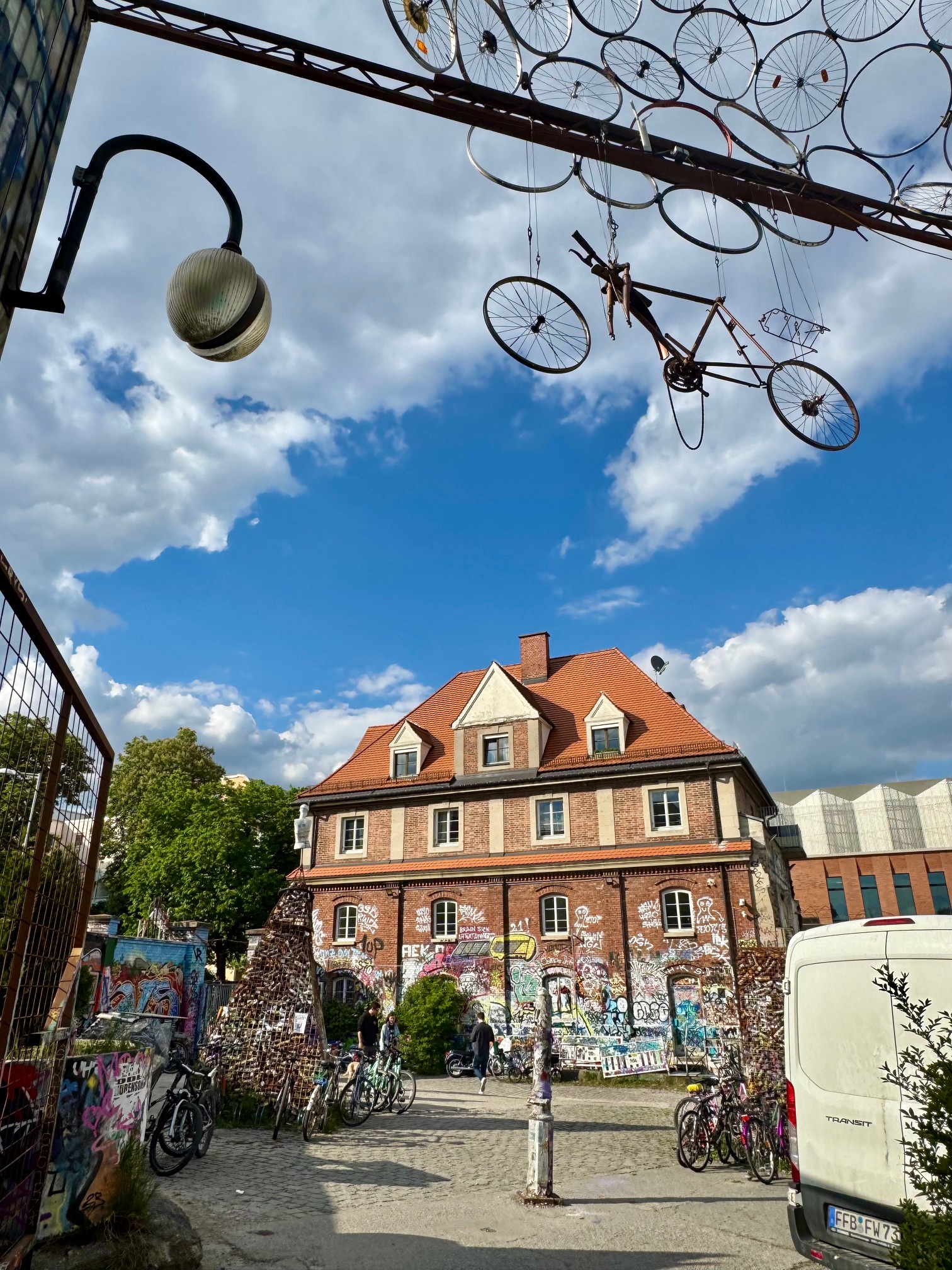
Join us for a stroll through a district where it's almost easy to forget that Munich's food supply is still provided here today. The area was originally developed for hygienic reasons, as a central slaughterhouse had become essential with approximately 600 uncontrolled slaughtering facilities in Munich. But where the infrastructure of the slaughterhouse and livestock market was built nearly 150 years ago, the cityscape is now changing so rapidly that it's hard to keep up.
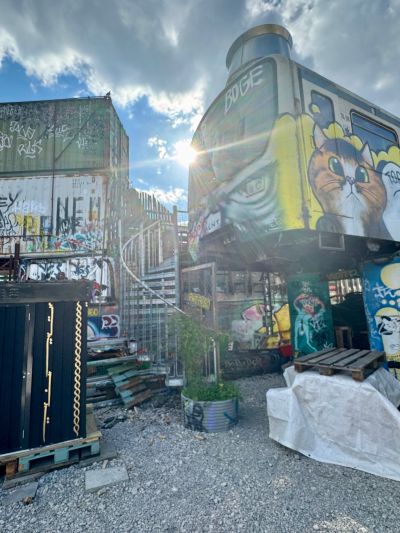
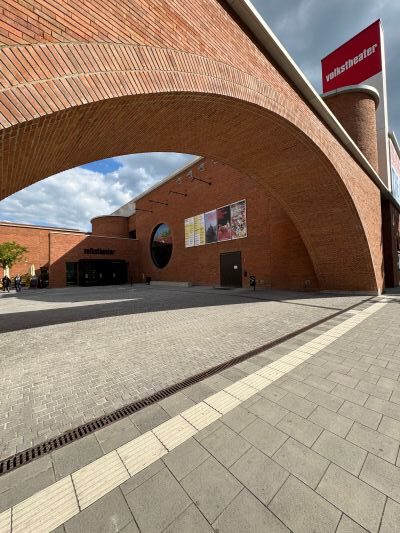
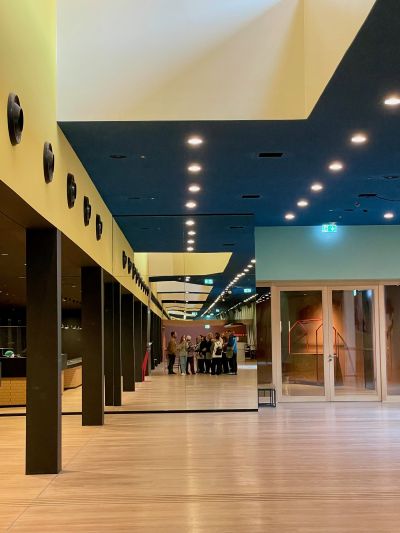
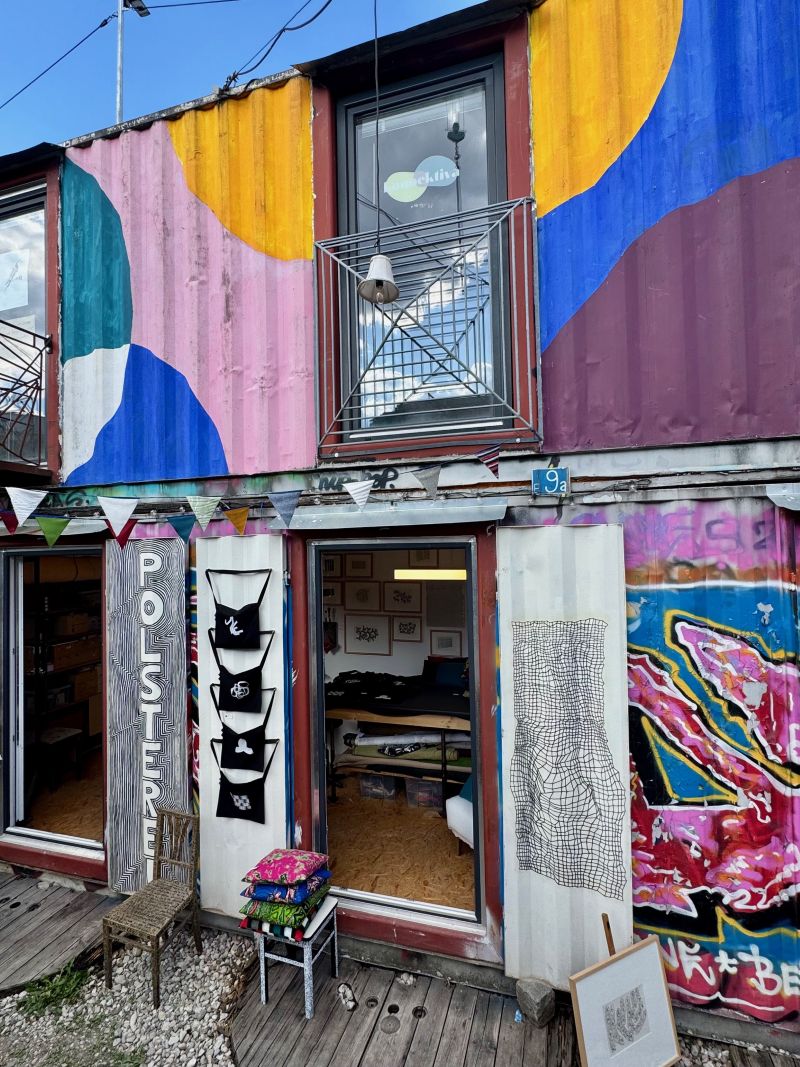
Join me as we explore the traces of the past, as some of the old brick buildings still stand. At the same time, we'll see how the area presents itself today: vibrant and multifaceted in art, culture, and cuisine, blending the young and the traditional between the former container storage facilities and the new public theater.
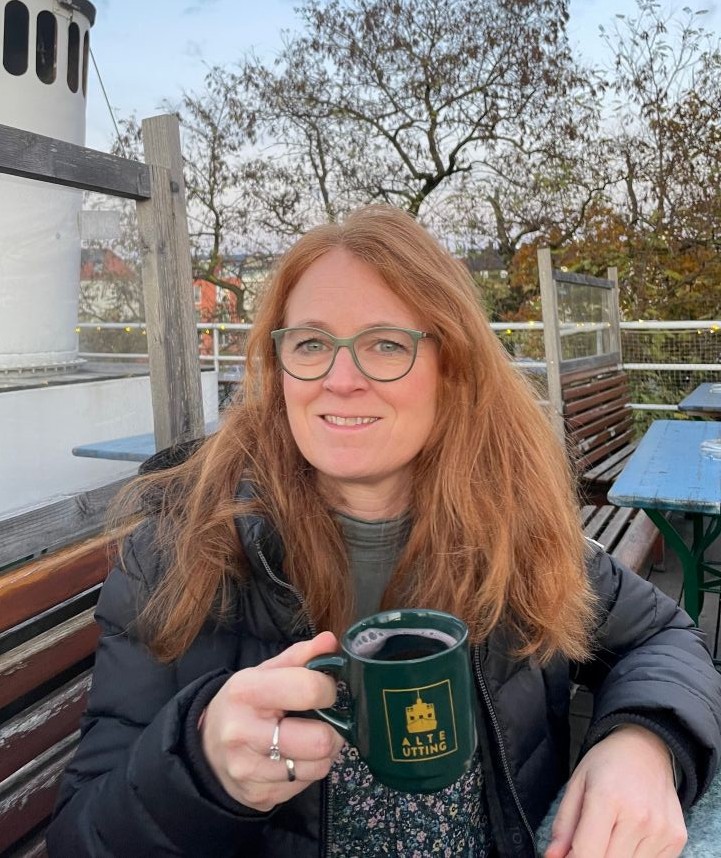
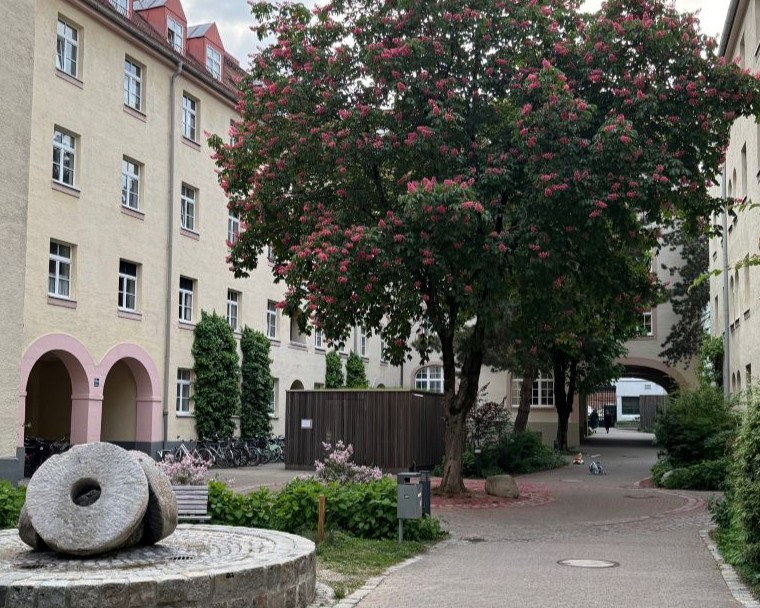
We then make our way through the picturesque streets of the Dreimühlen district to the famous Ammersee steamer. It's better known, of course, as the Alte Utting, where you can relax on the bridge with its wonderful panoramic views and happily cruise into the weekend!
At a glance:

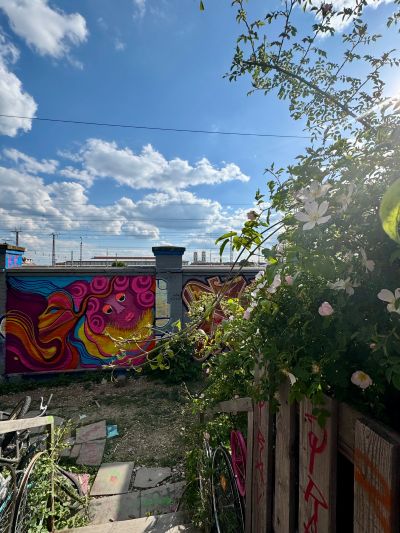
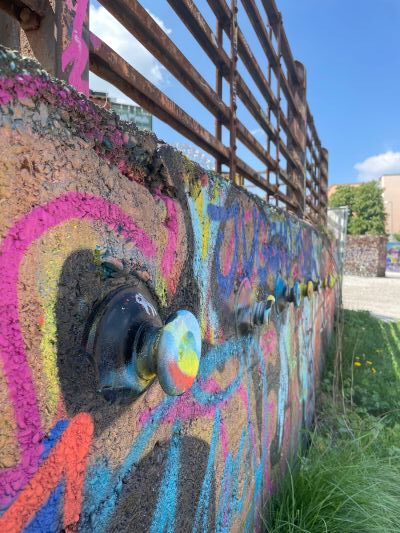
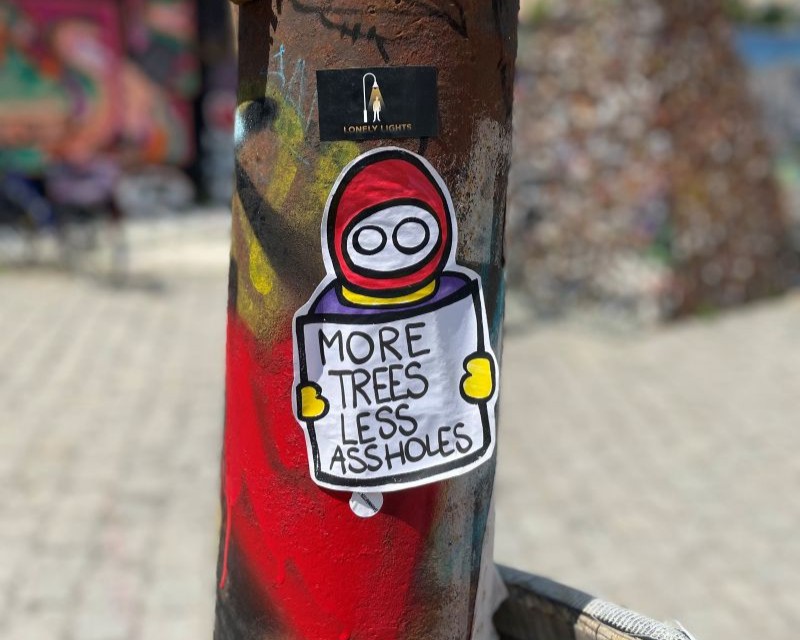
Certainly one of my walks with high Instagrammability – as they say these days. But it's not just the graffiti at Bahnwärter Thiel or along Tumblingerstraße that are worth a photo, but also the traces of this diverse area's long history.


A guided tour through the slaughterhouse district? Well, our dear Max von Pettenkofer would be turning in his grave today. Because strictly speaking, we're only walking through the cattle yard area – and I'd be happy to explain the difference to you along the way.
The most important things in brief:
Meeting point:
I'd be happy to meet you at the Volkstheater, or I can pick up your group at the Alte Utting.
Duration:
Can be booked as a 2- or 3-hour tour
Distance:
approx. 2-3 km
Group size:
max. 25 people
Tailor-made:
Please let me know if you'd prefer the tour to focus more on the history of the neighborhood, its current developments, or perhaps even its culinary scene? Anything is possible!




My tips for before and after our tour:
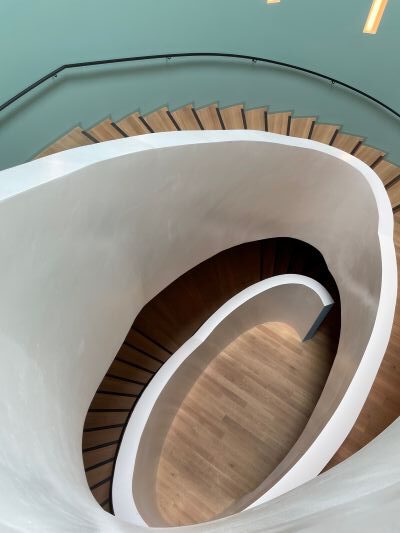
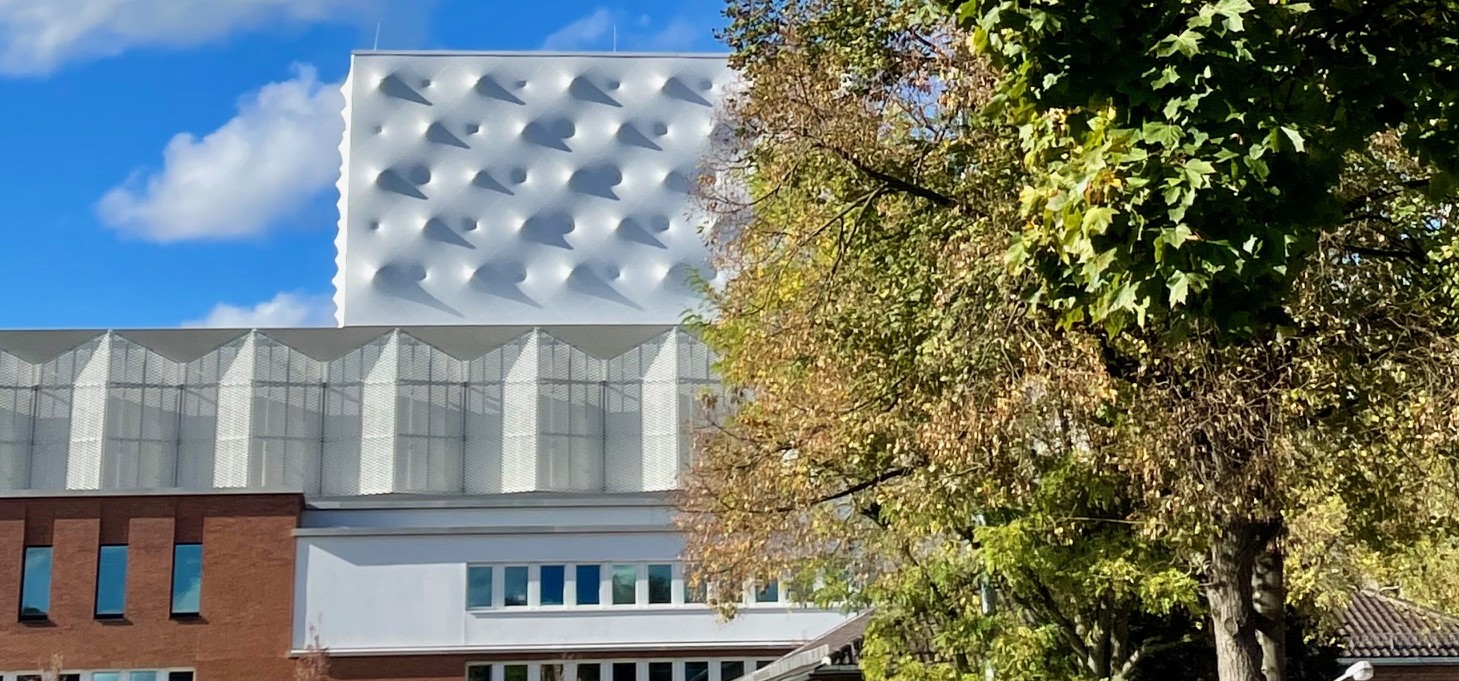
Perhaps it's a nice idea to take a stroll through the slaughterhouse district before visiting the People's Theatre to lay down. This way you immediately learn what has been going on on the site where one of Germany's best stages now stands. Or you can combine the tour with a walk to Isar Philharmonic Hall, whose striking architecture, based on the motto "Make something new out of something old!", fits well with the concept of the cattle market grounds. For night owls, there's also the club from Signalman Thiel Recommended.
From here it's also just a stone's throw to the Isar River, on whose banks you can spend a wonderful, balmy summer evening. And if the river pebbles are too uncomfortable to sit on, you can simply make yourself comfortable at one of the many tables along the street in the Dreimühlenviertel district.
And for those who prefer a more relaxed atmosphere after the trendy scene district, the area offers... Old Southern Cemetery In one of the city's oldest cemeteries, there is plenty of peace and nature to relax.
Frequently asked questions:
What time of day is best for this tour?
I especially like the atmosphere there in the late afternoon. The light is particularly beautiful then, it's not yet crowded, but still quite busy. And on the Alten Utting It's always comfortable to sit in anyway!
Is it permitted to see the inside of the Volkstheater during the tour?
Can I have a snack during the tour?
Certainly! I would be happy to plan the tour according to your wishes, including a tasting tour – depending on the time of day you would like to join me.
Still questions?
Write to me or just call me:
Grit Ranft
and the Dachau Concentration Camp Memorial