
 EN
EN  DE
DE A powerful work of art!
Munich in the Baroque
Impressions

Description:
On this tour, we were transported back to the time when the royal residence of Munich became a center of baroque splendor in the 17th and 18th centuries.
What motivated the absolutist rulers of Bavaria at that time to engage the most expensive and exquisite artists to decorate their castles and parks?
And why was it so important for the Catholic Church to shine through the magnificent and opulent furnishings of its buildings? While we explore these questions, we may allow ourselves to be distracted by the powerful yet playful facades of the churches and aristocratic palaces.
This will help us experience this fascinating period between the early Baroque and Rococo as a unified work of art encompassing a wide variety of art forms. A guided tour for connoisseurs!
Read more
Finally, the Thirty Years' War is over, and Bavaria is slowly recovering from those terrible years marked by fighting, occupation, plague, famine, and hardship. Now, something entirely new can rise from the ruins, a new style that expresses the regained joy of life in a variety of ways:
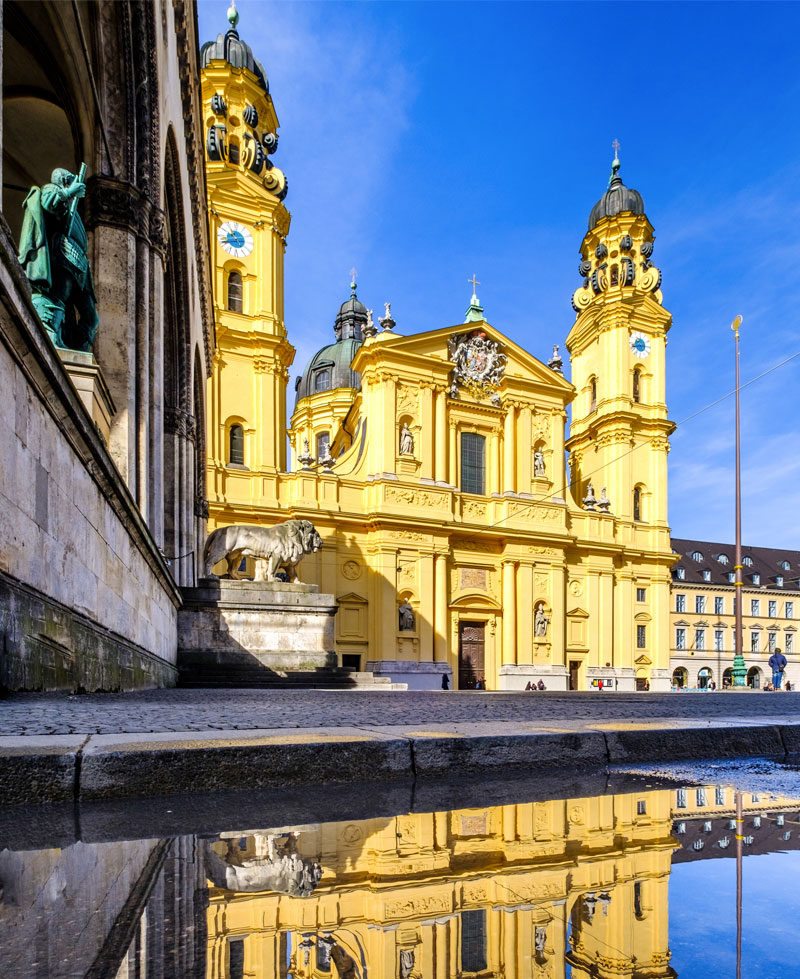
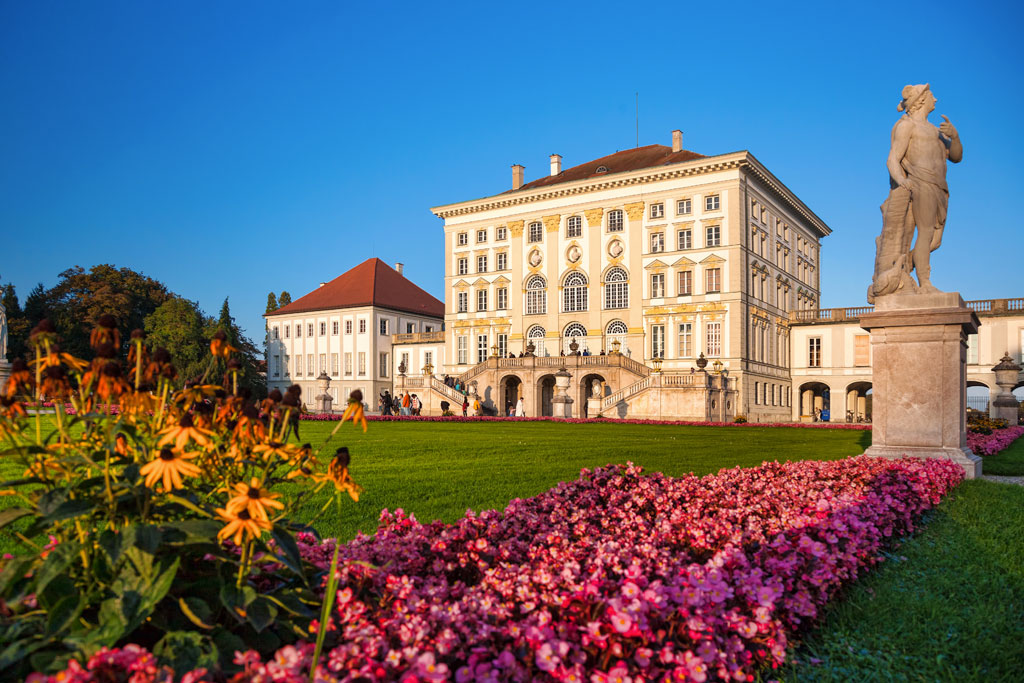
In music and dance, fashion, painting, and also in architecture – the Baroque era had begun! Initially, it was Italian influence, thanks to the young Princess Henriette Adelaide of Savoy, that swept across the Alps, giving Munich a completely new face with its southern European architecture. The Theatine Church on Odeonsplatz, now almost sun-yellow, is a prime example. In the next generation, the absolutist rulers of the House of Wittelsbach looked to the France of the Sun King, who, with Versailles, also set standards for Nymphenburg Palace and its park. But it wasn't only outside the city that opulent gardens were created; even in the city center, people strolled in princely style, specifically in the Hofgarten, where today you can watch the boules players in a relaxed atmosphere during their evening competitions.
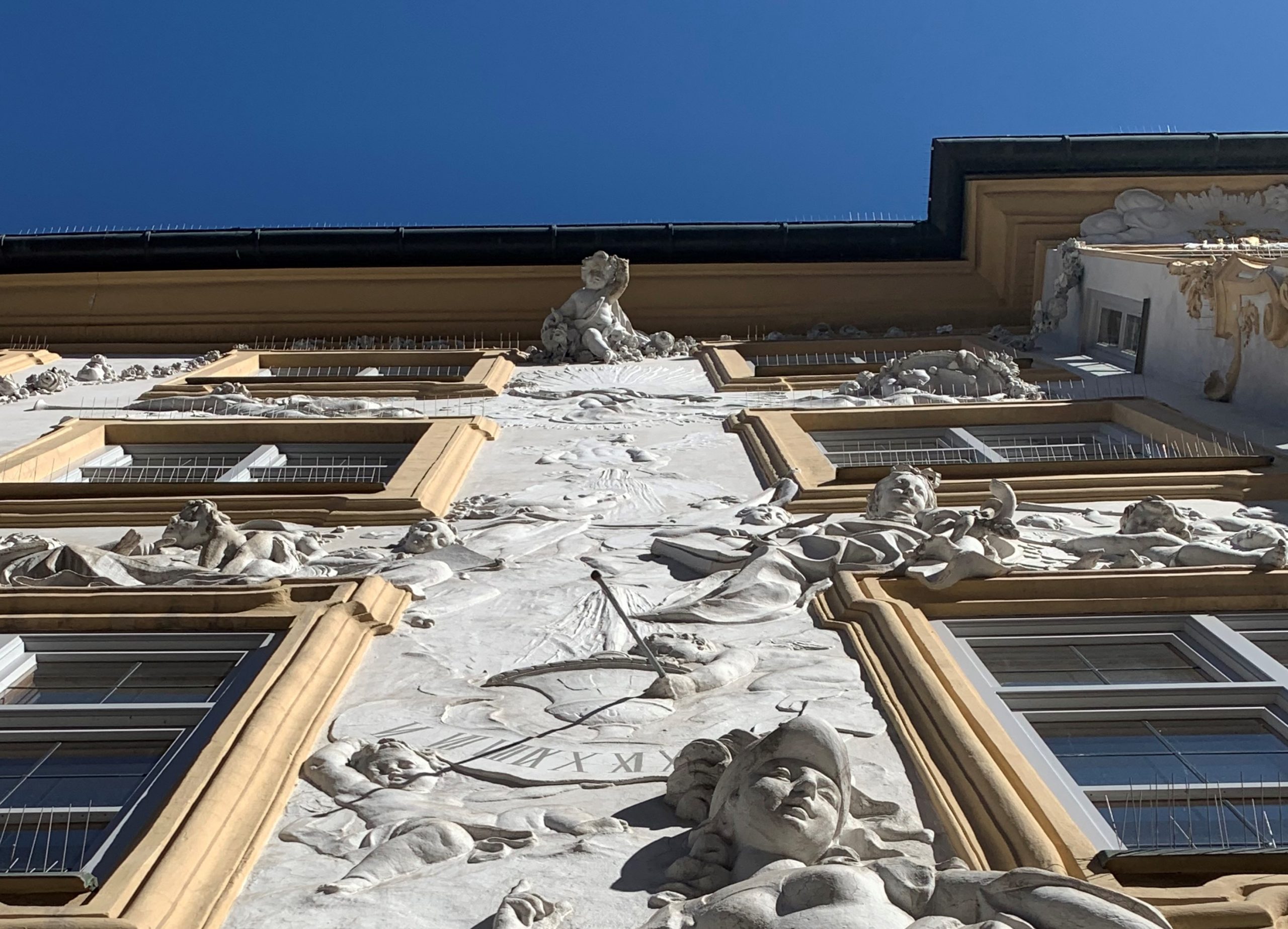
Naturally, a more or less influential nobleman wouldn't skimp on his wealth, but would display it and have the impressive facade of his new palace ornamented by renowned stucco artists. Thankfully, on our tour today, we can admire these not-so-cheap investments, for example, at the Preysing Palace or the Holnstein Palace, and delight in the flourishes, putti, and elaborate decorations. It didn't matter if the nobleman's offspring wasn't of noble birth but merely the product of an amorous liaison between the princely ruler and his mistress. The desire for representation remained unabated.
Above all, however, it was the Catholic Church that strove to demonstrate its power and influence through countless new construction and renovation projects, thus dissuading even the last doubters from austere Protestantism. At that time, the Baroque architectural style was an excellent marketing tool, conveying a vibrant and colorful image. And as you stumble from one church to the next in Munich, you can also marvel at how the initially heavy and rather colorless Italian style evolved into the light Baroque architecture so typical of Bavaria.
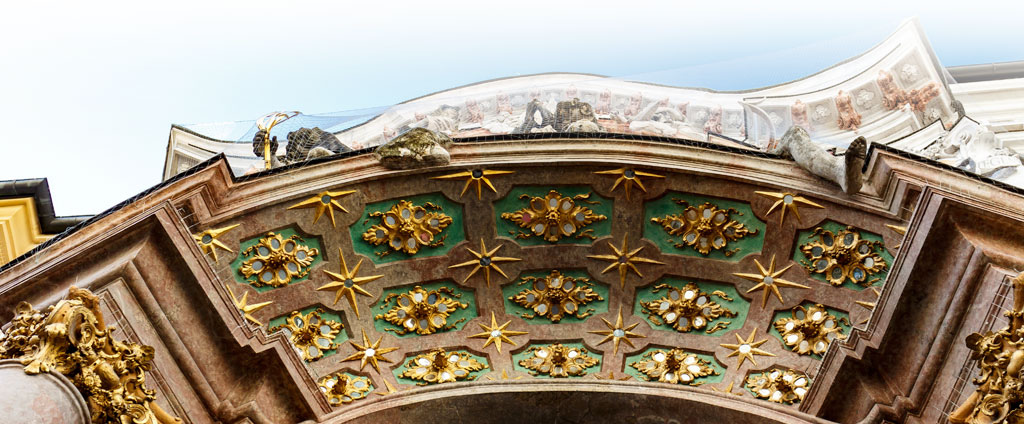
The Bavarian artists quickly learned the sophisticated techniques from their Italian and Flemish colleagues and matured into world-renowned architects, sculptors, and stucco artists. Most notably, of course, the Asam brothers, who created an impressive calling card for themselves with their private church and the adjoining house – naturally one of the highlights of our tour today.
At a glance:

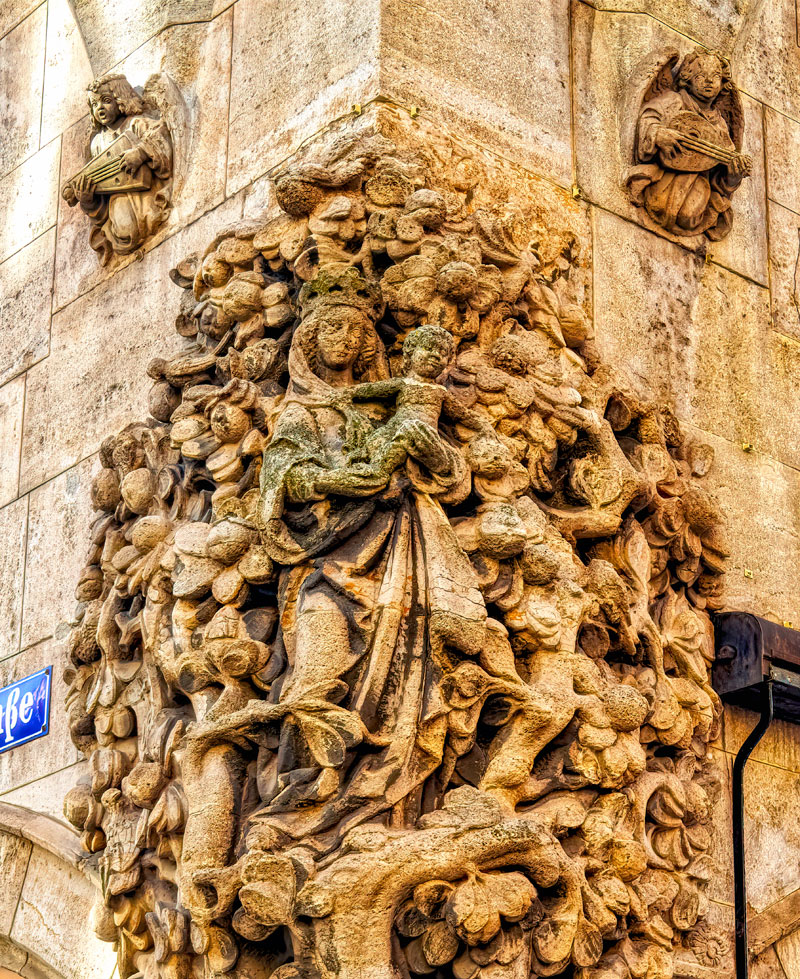
Marvel at the opulence of Baroque Munich, which our city was able to preserve for our time despite wartime destruction in ornate facades, playful little temples, illusionistic ceiling frescoes, cosy courtyards, gilded statues of saints, and harmonious house Madonnas.

Immerse yourself in the baroque world of the 17th and 18th centuries between the Hofgarten, Odeonsplatz, Promenadeplatz, Hackenviertel and Sendlinger Tor.

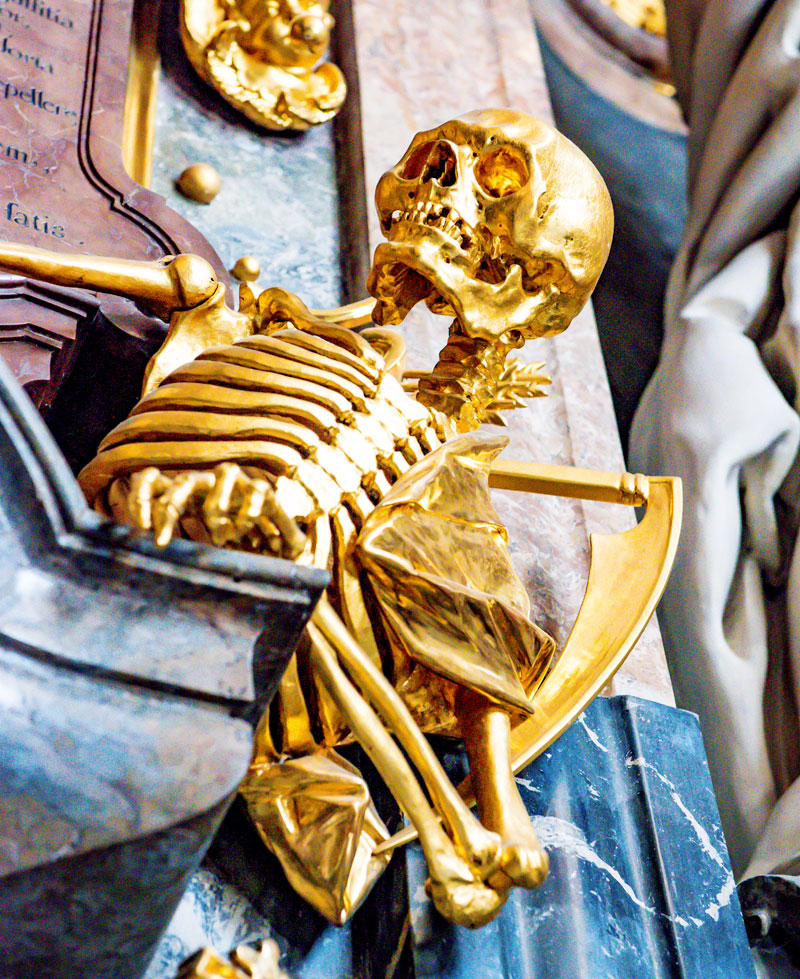
Don't be surprised by the occasional skull among the cute baroque angels, but find out with me how important the awareness of one's own transience was in these otherwise rather dazzling times.
The most important things in brief:
Meeting point:
As always, we would be happy to come to your hotel or according to your personal wishes;
Odeonsplatz (U3/U6 and U4/U5) is particularly suitable as a starting point.
Duration:
Bookable as a 2 or 3-hour tour
Distance:
approx. 2-3 km
Group size:
max. 25 people
Tailor-made:
What are you most looking forward to? Let me know and we'll make the tour a truly personal experience for you!

Member of the Munich Tourist Guide Association eV


Member of the TIM Tourism Initiative Munich
„"Dear Ms. Ranft, the guided tour focusing on the Baroque period was fantastic, and next week I'll send you the feedback cards from our students. They learned so much and are now working diligently on their Baroque studies. We created mind maps in the lesson immediately after the tour, and it was amazing how much the kids still remembered about each stop, often in great detail. That really highlights the wonderful clarity and engaging nature of the tour."“
Teacher from the Freihamm Gymnasium in November 2024
My tips for before and after our tour:
If you are particularly interested in the Baroque and Rococo periods, then I can recommend our Bavarian National Museum I highly recommend it. With its magnificent collections on this topic, it will perfectly complement our tour. Or consider a visit to the Cuvilliés Theatre the residence, a true gem from the Rococo period. And of course, it's fun to use our newly acquired knowledge of the city center after our tour to the Nymphenburg Palace to venture out and further revel in the baroque splendor, especially in the park palaces. I would be happy to accompany you there upon request! And for those who prefer culinary delights to cultural experiences, there are plenty of opportunities to do so in the city center before or after our tour, for example in one of the cozy restaurants in the Asam Courtyards right behind the Asam Church. Unfortunately, I cannot guarantee that it will be served on baroque porcelain!
Frequently asked questions:
Will we see works by artists other than the Asam brothers on our walk?
Yes, because at that time, Munich was an El Dorado for exquisite architects, stucco artists, and sculptors. We will be able to admire works by Johann Baptist Straub, Johann Baptist Zimmermann, Ignatz Günther, Joseph Effner, and François de Cuvilliés.
Can the interior rooms and furnishings also be viewed during this tour?
Depending on opening hours and services, we'll certainly visit one or two churches, perhaps even a Baroque staircase. However, to get a better impression of the Baroque interior design, I recommend a guided tour of the Residenz, where countless staterooms were decorated by Munich artists from the early Baroque to the Rococo periods. I'd be happy to accompany you.
Can I have a snack during the tour?
Of course! While I probably won't be able to organize a baroque banquet complete with fireworks for you, I'd be happy to reserve a table where you can take a break from the opulent display. Or we can recharge our batteries with a little sweet chocolate treat—whatever you wish!
Still questions?
Write to me or just call me:
Grit Ranft
and the Dachau Concentration Camp Memorial