
 EN
EN  DE
DE Guided tour of the Auer Dult
Impressions
Description:
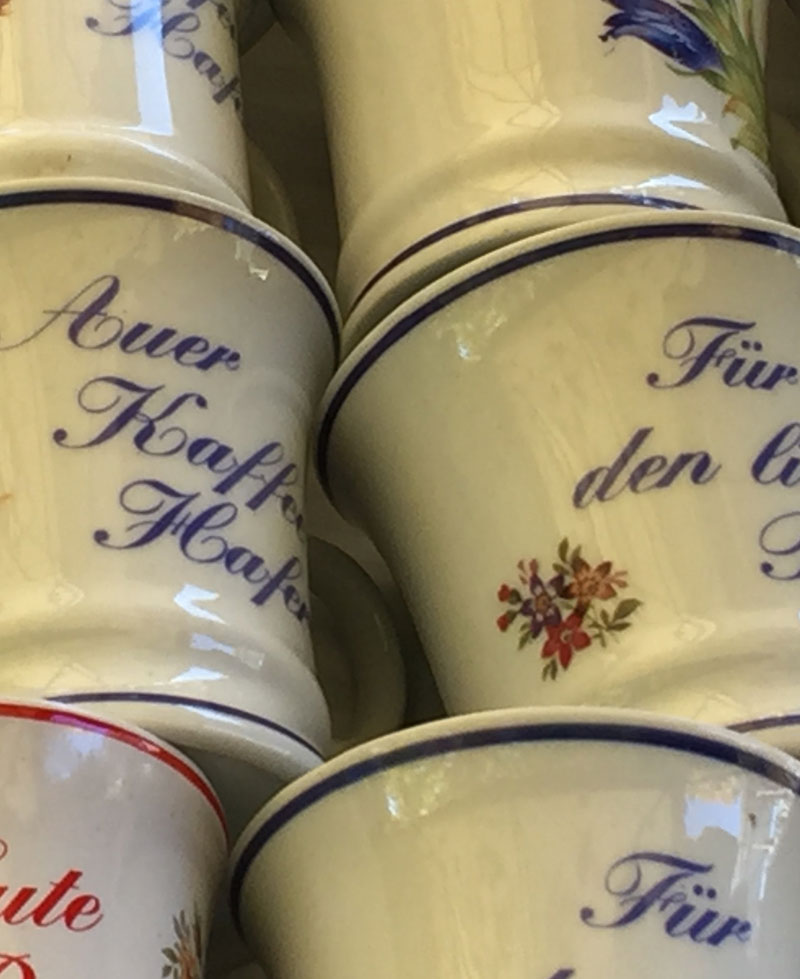
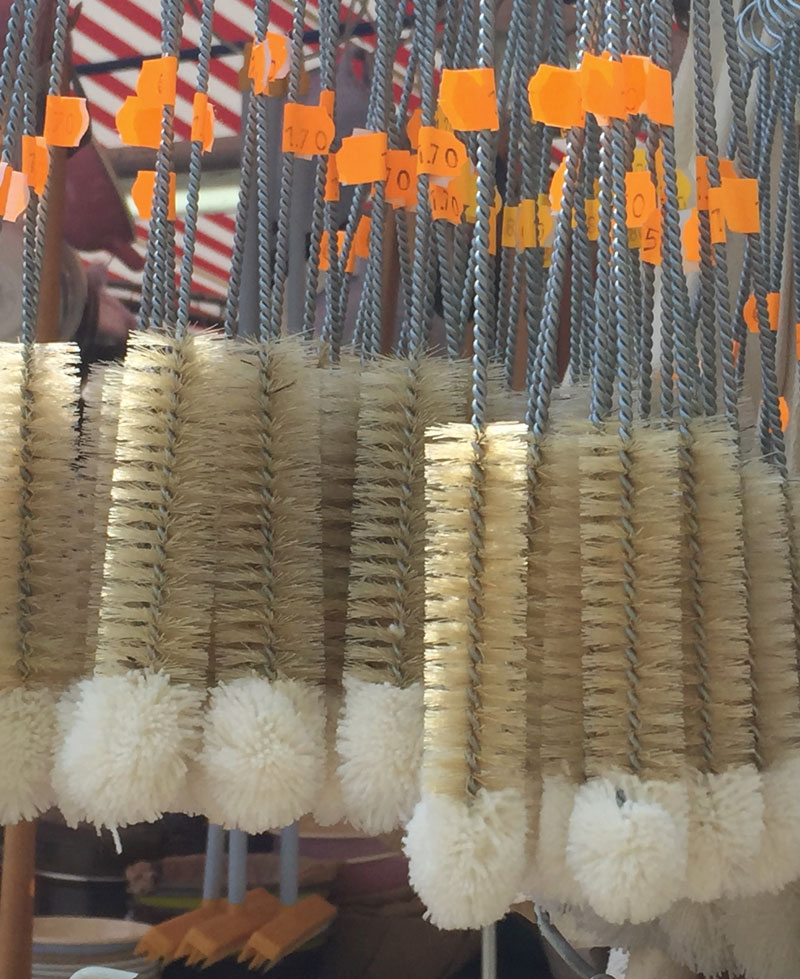
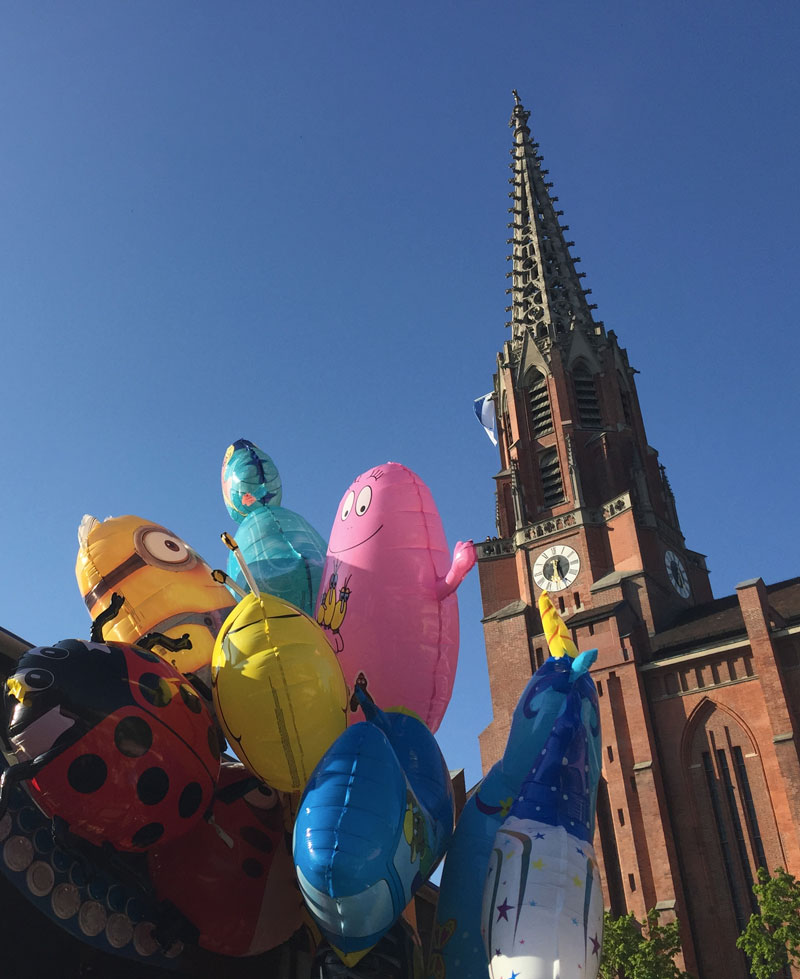
During our walk, we'll delve into the origins of today's popular market and trace its history back to the Middle Ages. To learn about its unique features, we'll stop at various vendors' stalls and get an overview of their wares. With a bit of luck, we might even encounter one of the beloved originals that have been an integral part of the fair for decades.
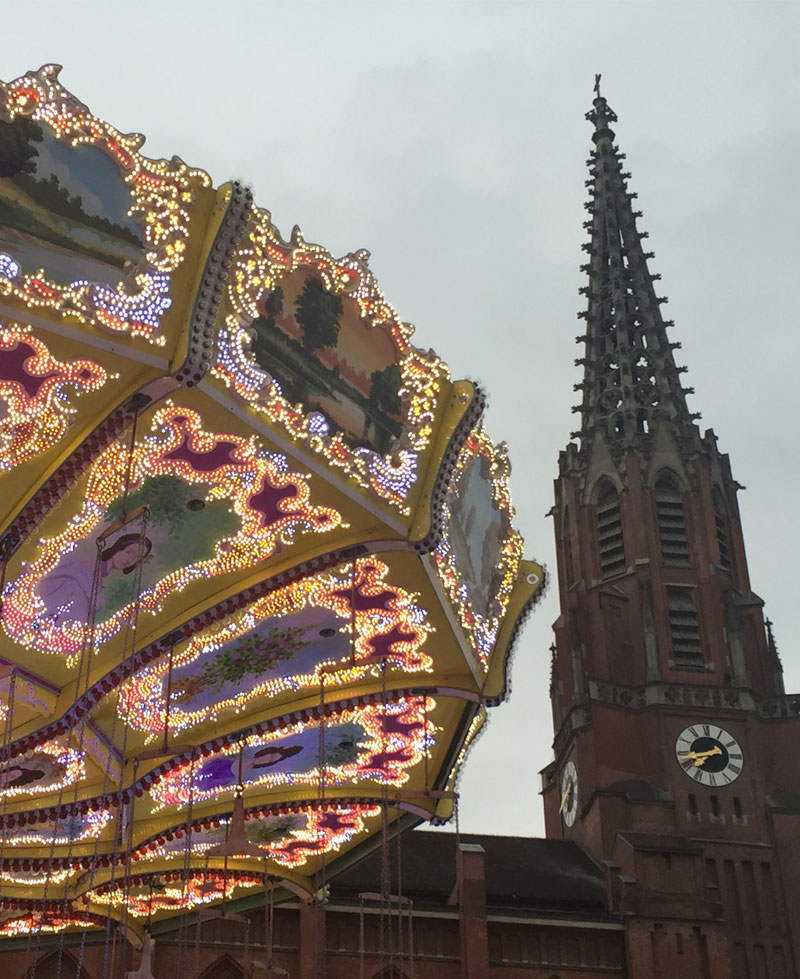
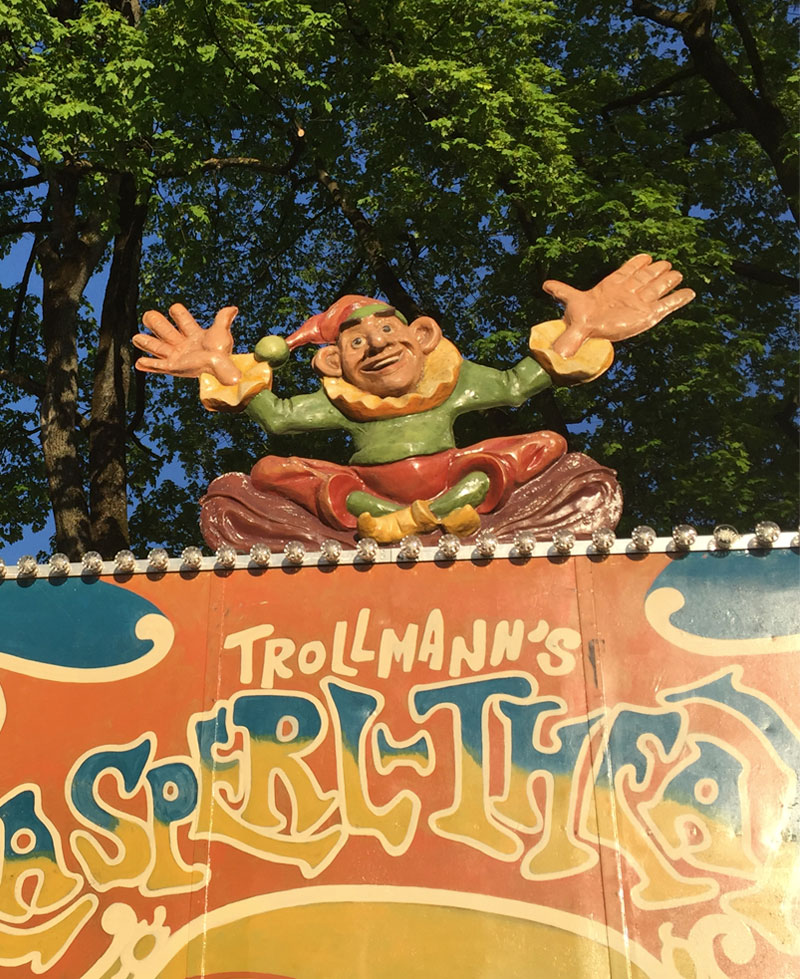
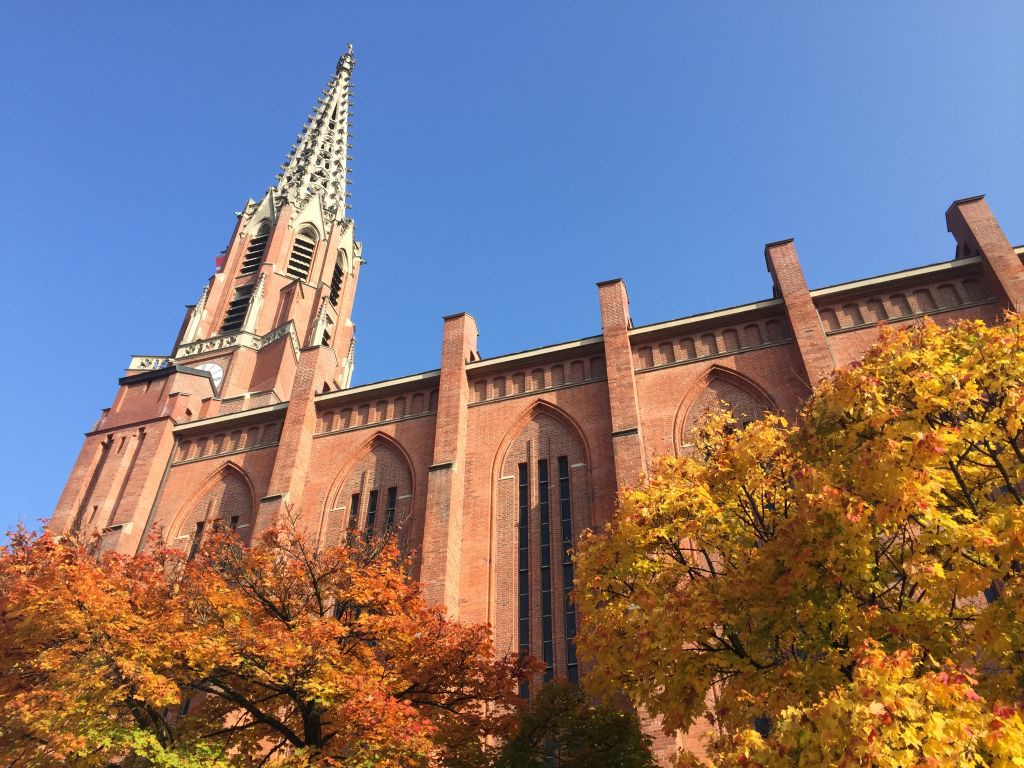
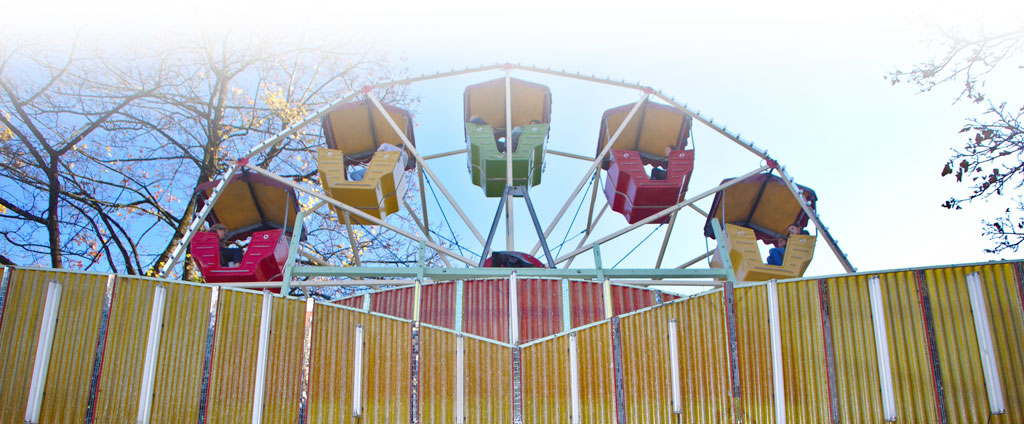
After a brief visit to the centerpiece of the fairgrounds, the neo-Gothic Mariahilf Church, we conclude our tour in the showmen's area, where the nostalgia is particularly noticeable and may even awaken childhood memories.
Dult is Klut, so why not join in the fun?
Read more
Finally, the Thirty Years' War is over, and Bavaria is slowly recovering from those terrible years marked by fighting, occupation, plague, famine, and hardship. Now, something entirely new can rise from the ruins, a new style that expresses the regained joy of life in a variety of ways:
In music and dance, fashion, painting, and also in architecture – the Baroque era had begun! Initially, it was Italian influence, thanks to the young Princess Henriette Adelaide of Savoy, that swept across the Alps, giving Munich a completely new face with its southern European architecture. The Theatine Church on Odeonsplatz, now almost sun-yellow, is a prime example. In the next generation, the absolutist rulers of the House of Wittelsbach looked to the France of the Sun King, who, with Versailles, also set standards for Nymphenburg Palace and its park. But it wasn't only outside the city that opulent gardens were created; even in the city center, people strolled in princely style, specifically in the Hofgarten, where today you can watch the boules players in a relaxed atmosphere during their evening competitions.
Naturally, a more or less influential nobleman wouldn't skimp on his wealth, but would display it and have the impressive facade of his new palace ornamented by renowned stucco artists. Thankfully, on our tour today, we can admire these not-so-cheap investments, for example, at the Preysing Palace or the Holnstein Palace, and delight in the flourishes, putti, and elaborate decorations. It didn't matter if the nobleman's offspring wasn't of noble birth but merely the product of an amorous liaison between the princely ruler and his mistress. The desire for representation remained unabated.
Above all, however, it was the Catholic Church that strove to demonstrate its power and influence through countless new construction and renovation projects, thus dissuading even the last doubters from austere Protestantism. At that time, the Baroque architectural style was an excellent marketing tool, conveying a vibrant and colorful image. And as you stumble from one church to the next in Munich, you can also marvel at how the initially heavy and rather colorless Italian style evolved into the light Baroque architecture so typical of Bavaria.
The Bavarian artists quickly learned the sophisticated techniques from their Italian and Flemish colleagues and matured into world-renowned architects, sculptors, and stucco artists. Most notably, of course, the Asam brothers, who created an impressive calling card for themselves with their private church and the adjoining house – naturally one of the highlights of our tour today.
At a glance:



The most important things in brief:
Meeting point:
best on the steps in front of the portal of the Mariahilf Church in the middle of the fairground;
You can reach it either by tram line 18 or by bus numbers 52 and 62.
Duration:
Bookable as a 2 or 3-hour tour
Distance:
approx. 1.5 km
Group size:
max. 20 people
Tailor-made:
You'd like to sample some food at the fair – no problem! Just ask me, I'd be happy to advise you!
Member of the Munich Tourist Guide Association eV


Member of the TIM Tourism Initiative Munich
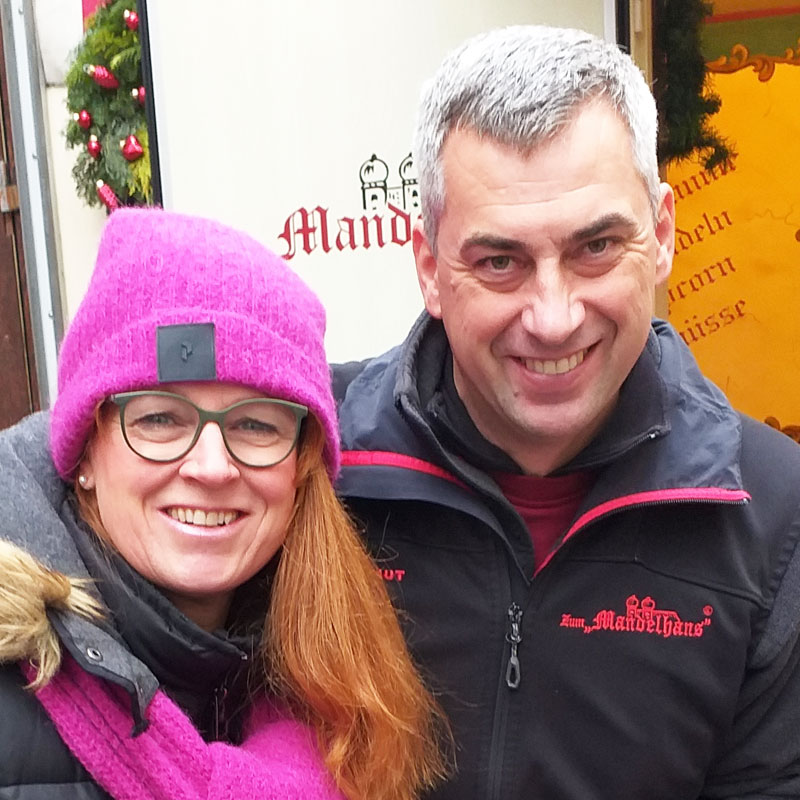
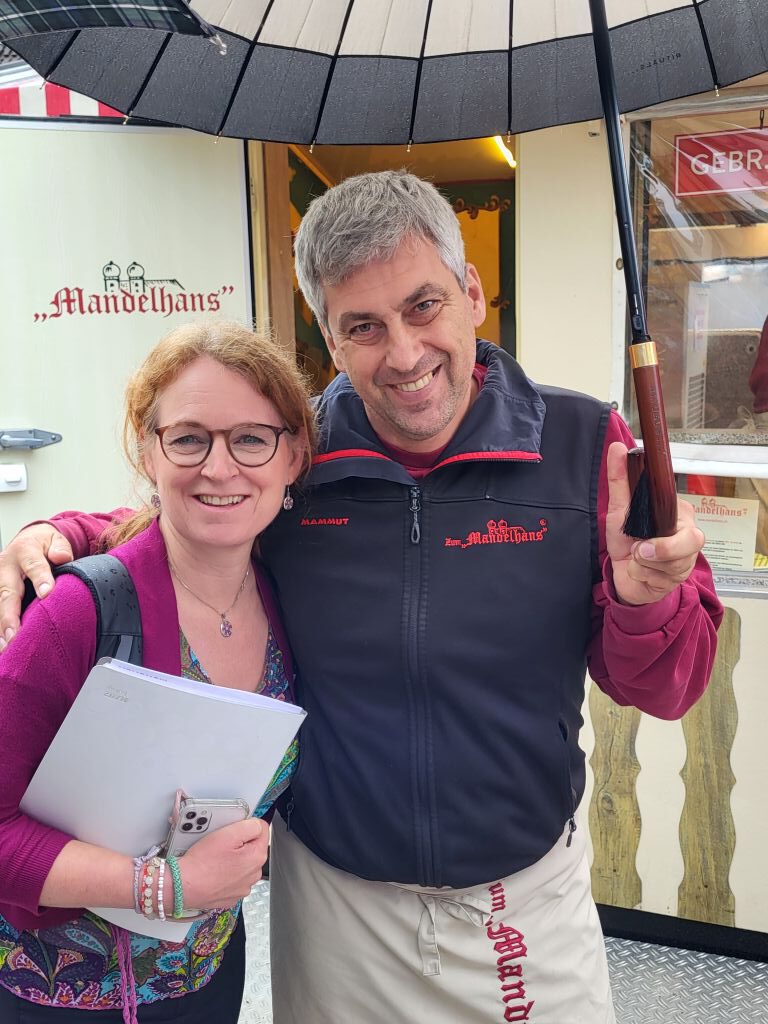
"Grit and I have known each other for a few years now. We met when she stopped by our Christmas market with her Schmankerln tours. There are some people who just click, and that was the case with Grit and me. I love her warm, fresh, direct, professional, and open manner.
Over time, a friendly relationship has developed that extends beyond the tours, which I greatly appreciate. It's always a highlight for me when she visits me with her guests or stops by for a private chat."
Markus Kaiser (Almond Hans)
My tips for before and after our tour:
The Au district is always worth a visit, even without the Dult festival! Therefore, you can take a stroll through this picturesque area before or after our tour. Whether along the Auer Mühlbach stream or along the Isar River – water has always played a significant role there historically!
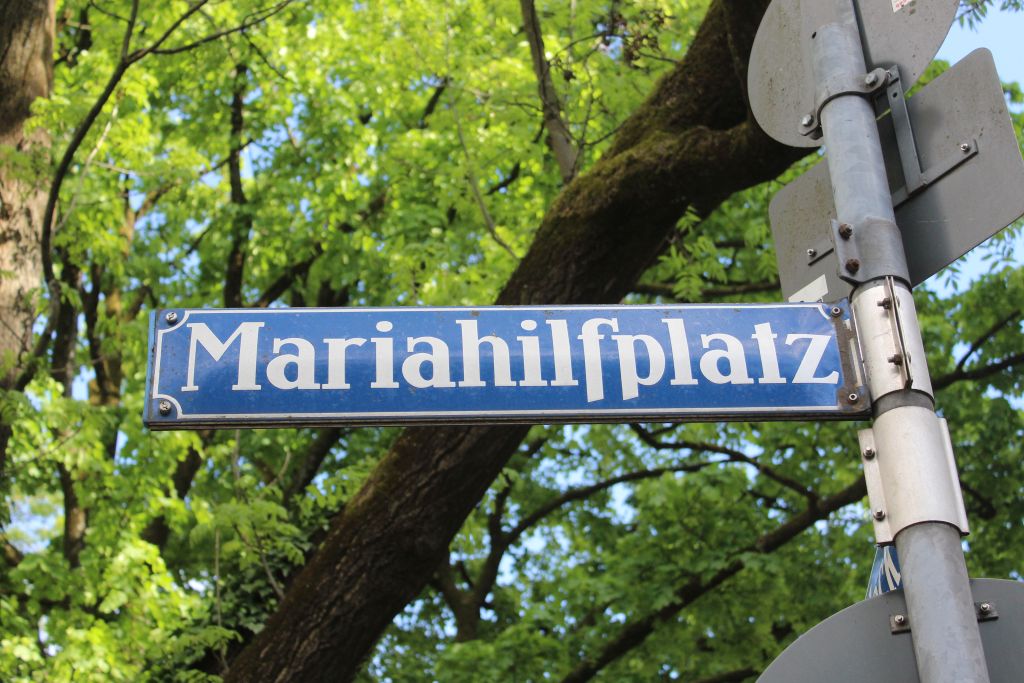
Should you get hungry again after enjoying a bratwurst at the fair, there are many traditional options for a meal here: either the Inn in the floodplain, the Schoberwirt or that Ayinger Mariahilfplatz is a great place to find typical Bavarian food and a cozy atmosphere.
But if you're still planning a museum visit, then this is German Museum just a short and pleasant walk away. So you see, the eastern bank of the Isar offers plenty of opportunities to spend a whole day.
Frequently asked questions:
Is it possible to visit the Mariahilf Church during the tour?
When does the Auer Dult take place?
Maidult 25.4. – 3.5.
Jakobidult 25.7. – 2.8.
Kirchweihdult 17.10. – 25.10.
Can I have a snack during the tour?
Of course! You can find excellent food at the Auer Dult; the air is filled with delicious aromas, and there's everything from sweet to savory – even the legendary Steckerlfisch (fish on a stick) from Fischer Vroni. Just ask me, I'd be happy to advise you.
Still questions?
Write to me or just call me:
Grit Ranft
and the Dachau Concentration Camp Memorial