
 EN
EN  DE
DE 500 years of the (Counter)Reformation
Impressions
Description:
Who hasn't seen Munich's skyline, dominated by the many spires of Catholic churches? But aren't there any Protestant churches here?
To fully understand the history of Protestants in Bavaria, we travel back to the time of Martin Luther and trace their footsteps in a city whose appearance is still shaped by centuries-old remnants of the Counter-Reformation. And where it would take until the early 19th century for Protestant life to become possible at all.
On this tour, we will also explore the personal stories of famous Protestants from the city, tracing their history from the beginning of the Reformation to the present day. Don't miss this fascinating journey through time!
Read more
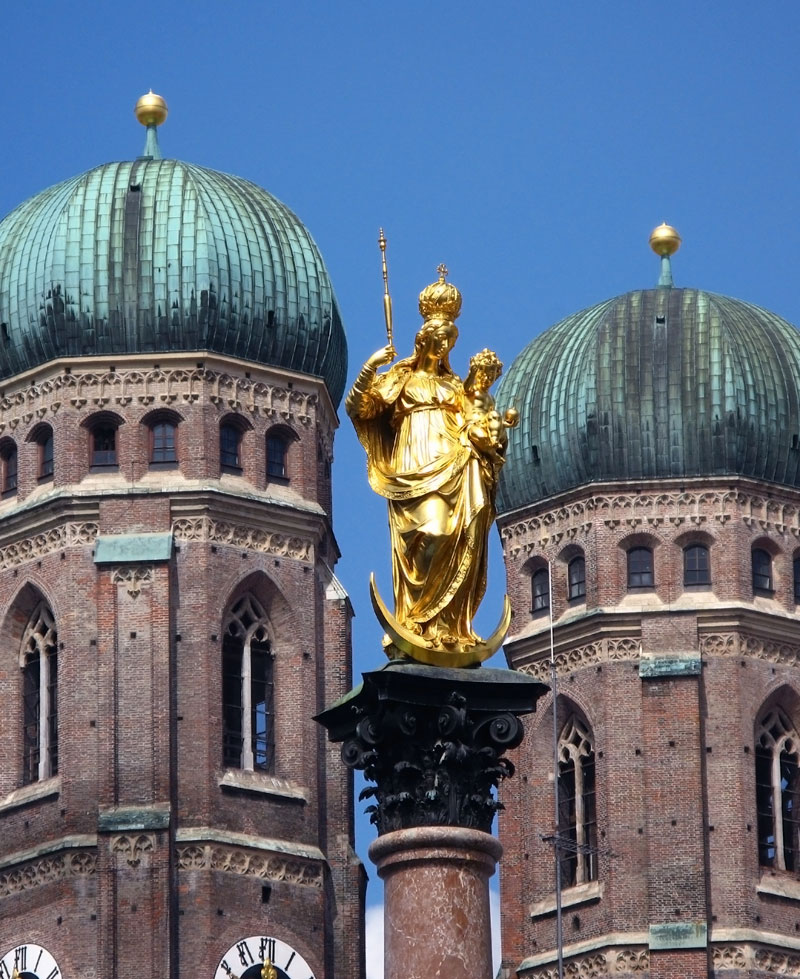
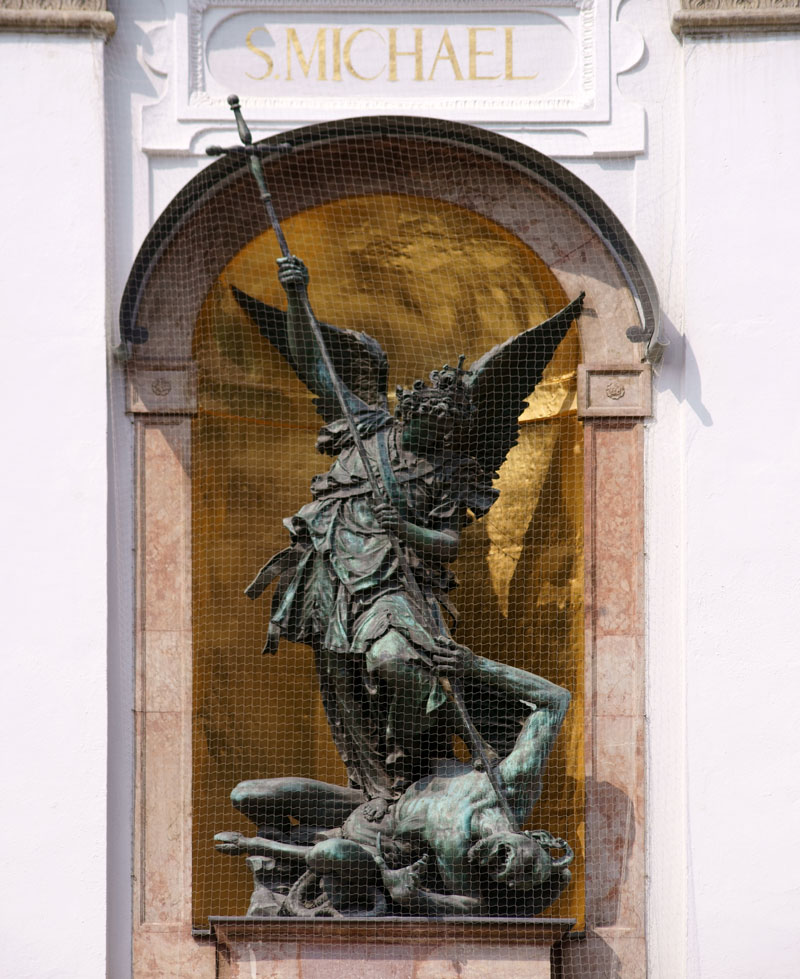
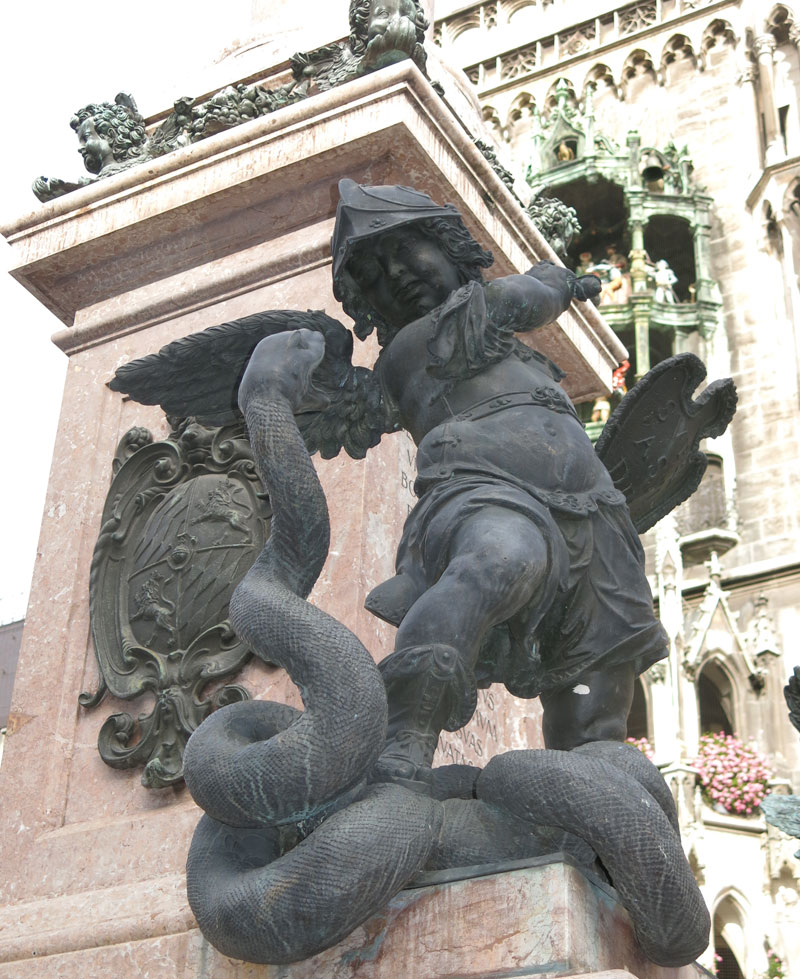
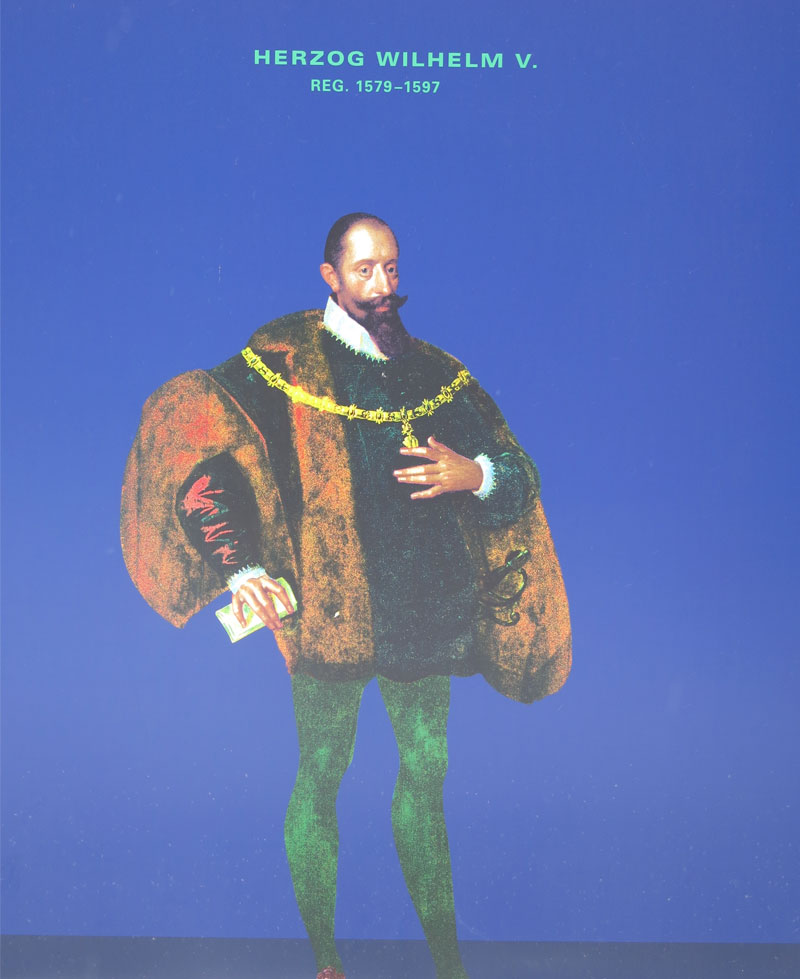
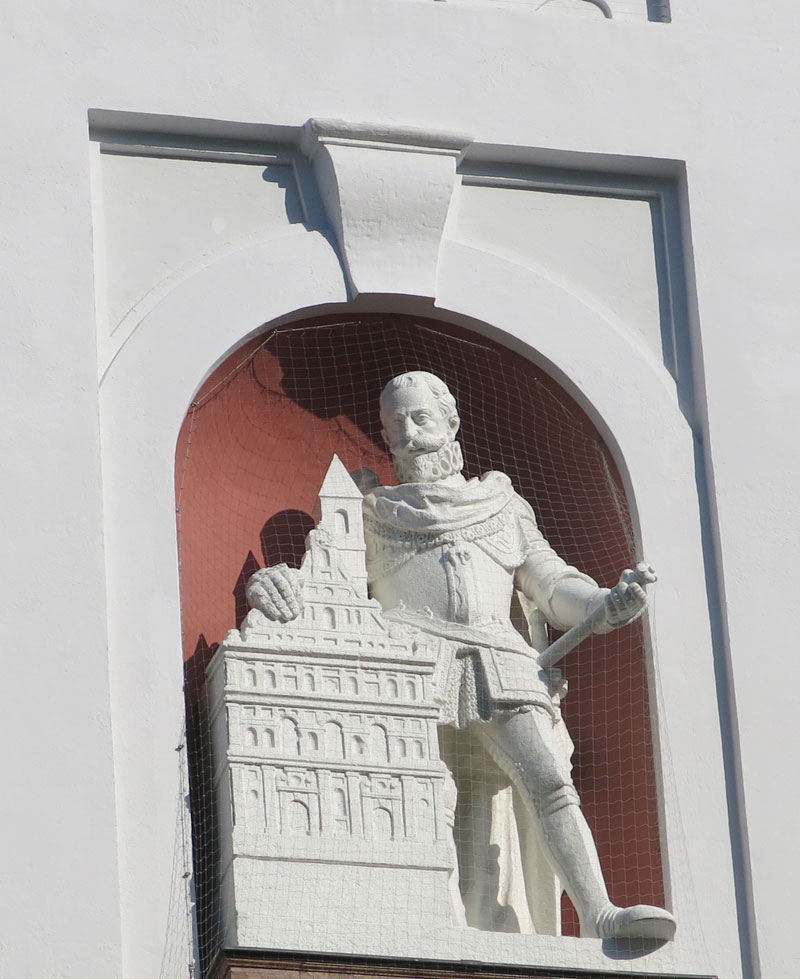
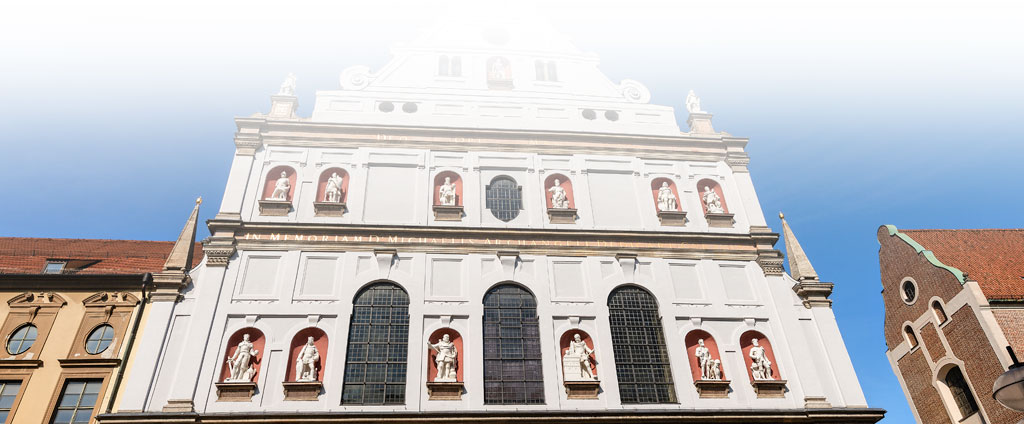
While it wasn't clear from the start that the Bavarian dukes would categorically reject Luther's ideas and his criticism of the sale of indulgences and the veneration of saints, it's hard to ignore today: whether it's St. Michael's Church with its unique façade, brimming with rulers fighting for the Catholic faith; or the Frauenkirche with the precious reliquary of St. Benno; and of course the Marian Column, erected on Marienplatz during the Thirty Years' War, at whose base plump putti still fight against the four evils of humanity - including heresy, of course!
But from the very beginning, some citizens here also flirted with Luther's new teachings, secretly reading his pamphlets or singing his hymns together in the former Augustinian monastery—and in German, what a provocation! They were repeatedly punished for this or even forced to renounce their faith. Some even paid with their lives, and in large waves of emigration, Munich's Protestants left the city.
It was only a good 200 years ago that this Catholic monopoly was broken, when the Protestant Queen Caroline of the Palatinate came to Munich—naturally accompanied by her court, including her loyal cabinet preacher Ludwig Friedrich Schmidt. During the Enlightenment, he ensured that Luther's teachings finally took root in Munich almost 300 years after Luther posted his theses. But where did the first Protestants actually hold their services? Was bribery involved in the granting of citizenship to the first Protestant? And why did Queen Caroline's funeral end in scandal?
We want to clarify all these questions together, I'm looking forward to it!
At a glance:



The most important things in brief:
Meeting point:
Karlsplatz / Stachus (U4/U5 and S-Bahn) and Marienplatz (U3/U6 and S-Bahn) are particularly good starting points.
Duration:
Bookable as a 2 or 3-hour tour
Distance:
approx. 2-3 km
Group size:
max. 25 people
Tailor-made:
What are you most looking forward to? Let me know and we'll make the tour a truly personal experience for you!

Member of the Munich Tourist Guide Association eV


Member of the TIM Tourism Initiative Munich
My tips for before and after our tour:
Since we're moving through the city center, all options are open to you! Our tour will likely end at Odeonsplatz, so perhaps a stroll through the Hofgarten afterward? Or continue straight to the Eisbachwelle? Or a shopping trip to Schwabing?
If you would like to delve even deeper into the subject, a visit to the Residence is recommended, where you will find, among other things, the fascinating collection of relics belonging to Elector Max I. Or you could visit the Bavarian National Museum, which exhibits magnificent works of art from the time of the Counter-Reformation.
Frequently asked questions:
Will your tour also allow us to visit the churches from the inside?
Can one visit the Residence's Committee Courtyard with the commemorative plaque for the first Protestant church during the tour?
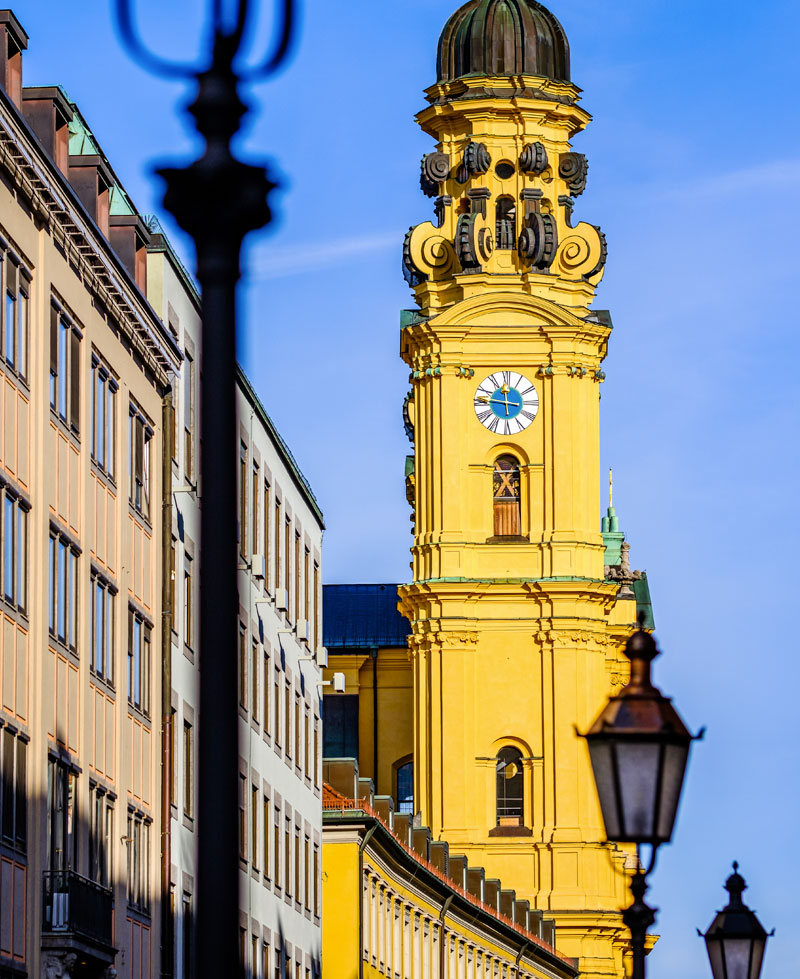
Will we also visit the Princely Crypt in the Theatinerkirche on this tour?
I'd be happy to take you to the famous burial site of many Wittelsbachs, including that of Queen Caroline, provided it's open (unfortunately only on Saturdays). It's truly impressive and well worth seeing! However, you should allow three hours for the tour.
Still questions?
Write to me or just call me:
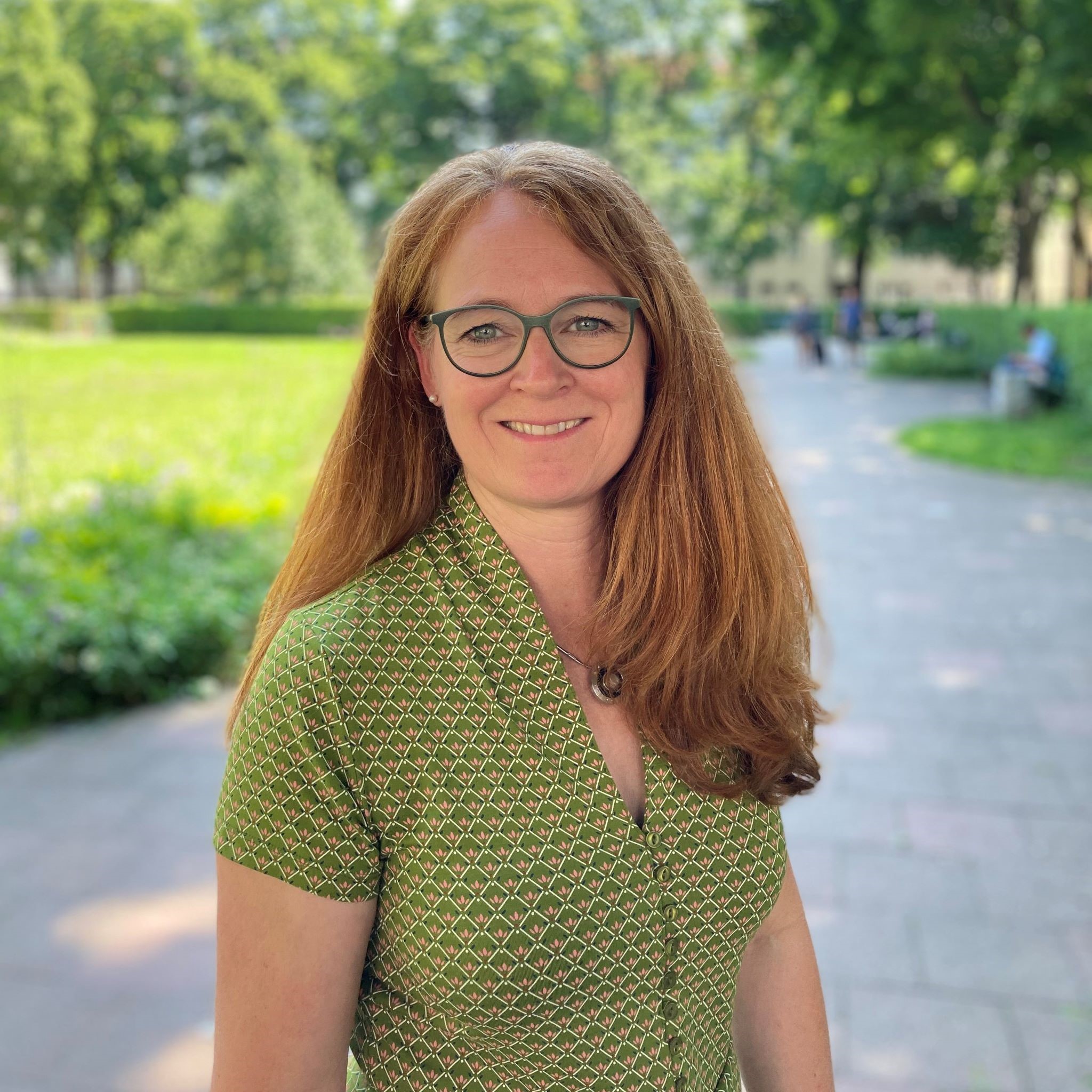
Grit Ranft
and the Dachau Concentration Camp Memorial