 EN
EN  DE
DE MUNICH – “CAPITAL OF THE MOVEMENT”
Impressions

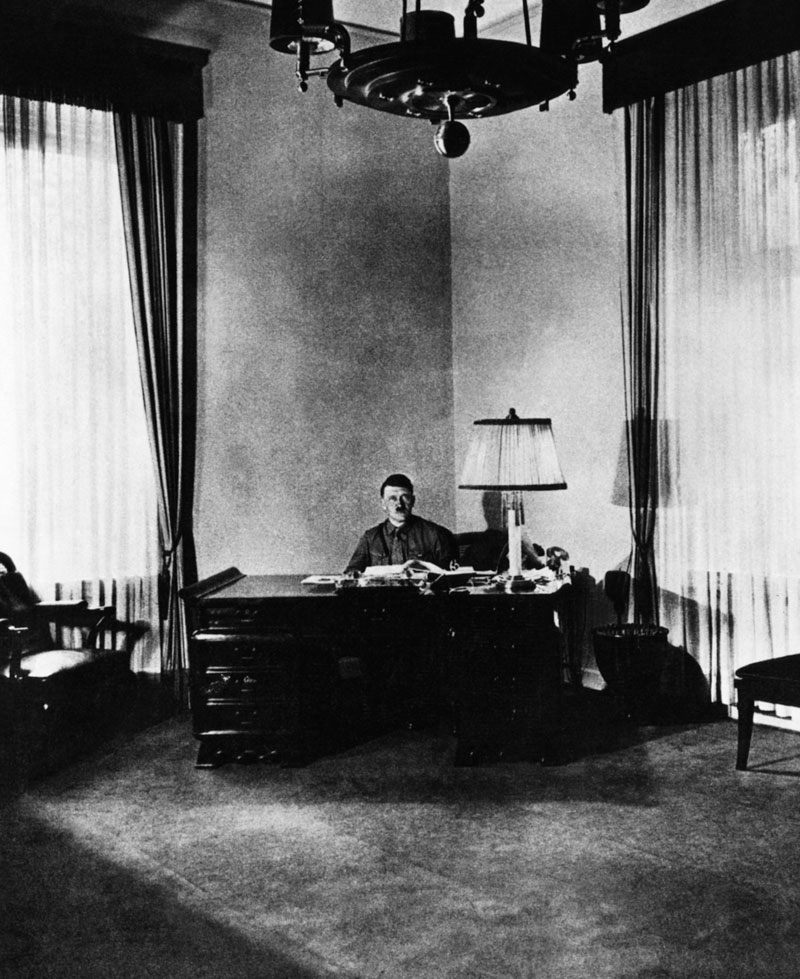
Description:
Munich is associated with the origin and rise of National Socialism like almost no other city, which ultimately earned it the so-called "honorary title - Capital of the Movement" in 1935.
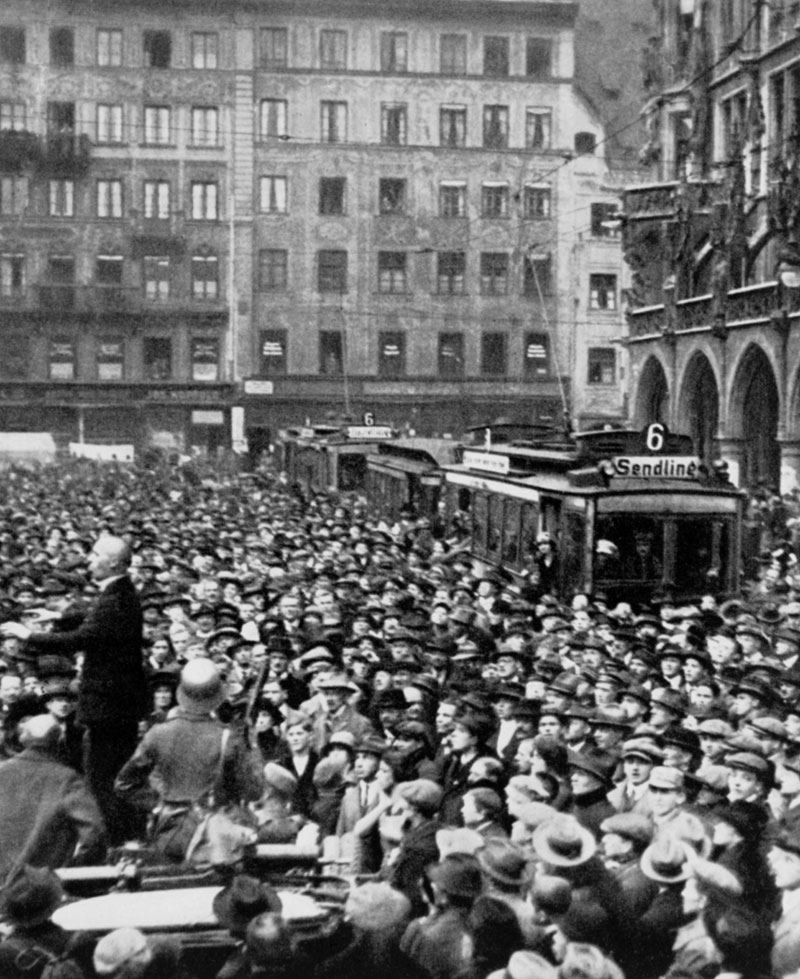
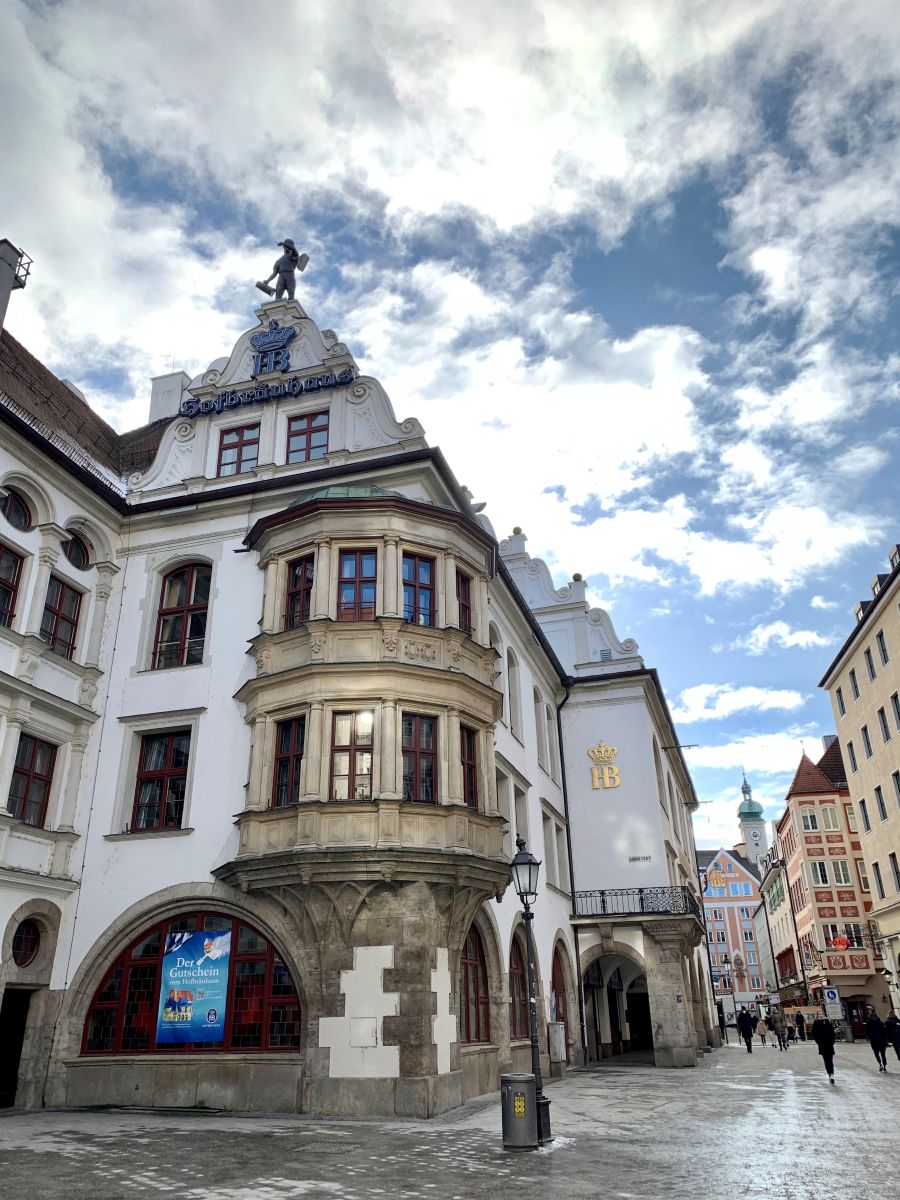
This walking tour through the extended city center traces Adolf Hitler's career almost chronologically at historical sites such as the Hofbräuhaus and the Feldherrnhalle. It places his career within the social and political structures of the Munich Soviet Republic, the Weimar Republic, and National Socialism.
Naturally, we also examine the fate of different victim groups, address the resistance against the regime, and jointly clarify how the city confronts its past today.
Despite the difficult subject matter, a varied and educational journey through time!
Read more
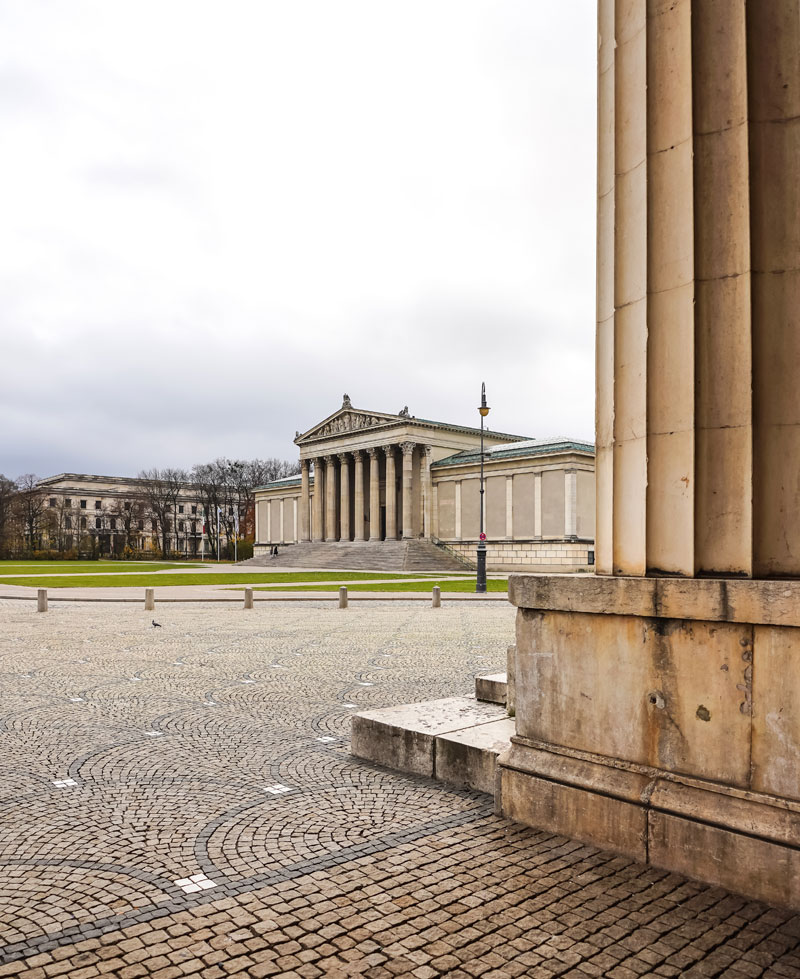
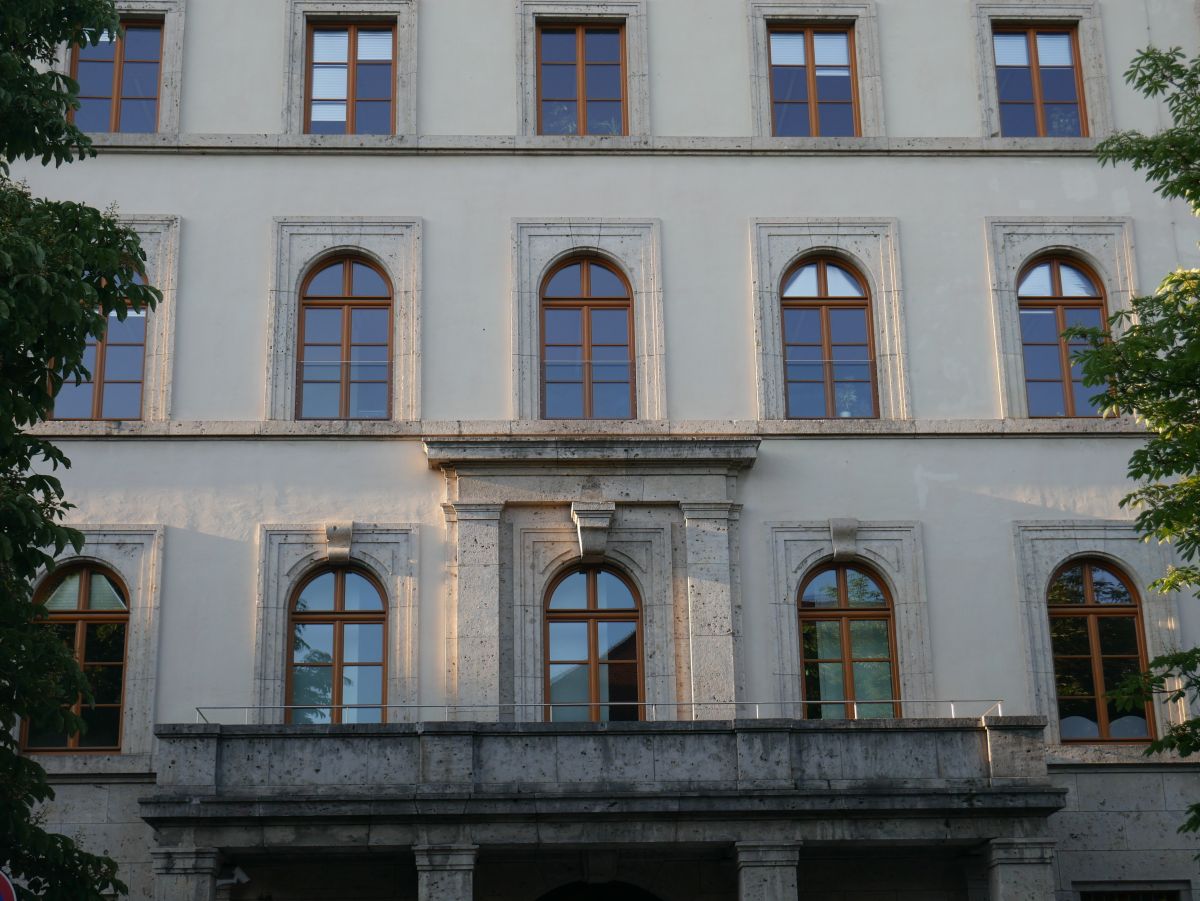
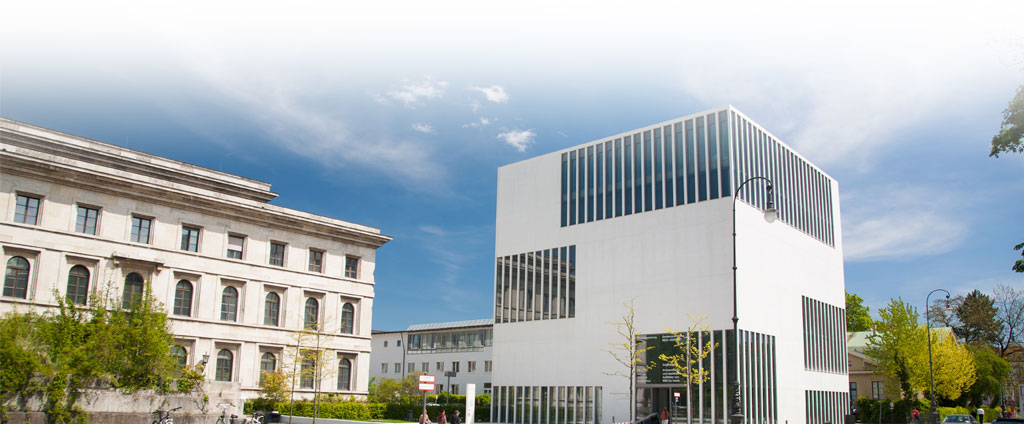
Whether it was the founding of the German Workers' Party (DAP), the renaming of the party to the Nazi Party (NSDAP) at the Hofbräuhaus, or the failed coup attempt, which was subsequently glorified for propaganda purposes as the "March on the Feldherrnhalle," many important events on Adolf Hitler's path to power took place in Munich. And even after 1933, the city remained of central importance to the party. The buildings around Königsplatz, such as the former NSDAP party headquarters and the former "Führerbau," are testament to this. Unlike the so-called "Temples of Honor," where National Socialist hero worship was practiced, both buildings survived the destruction of the war or at the hands of the Allies and today serve as silent witnesses to the past, even if they are now used for much more gratifying purposes.
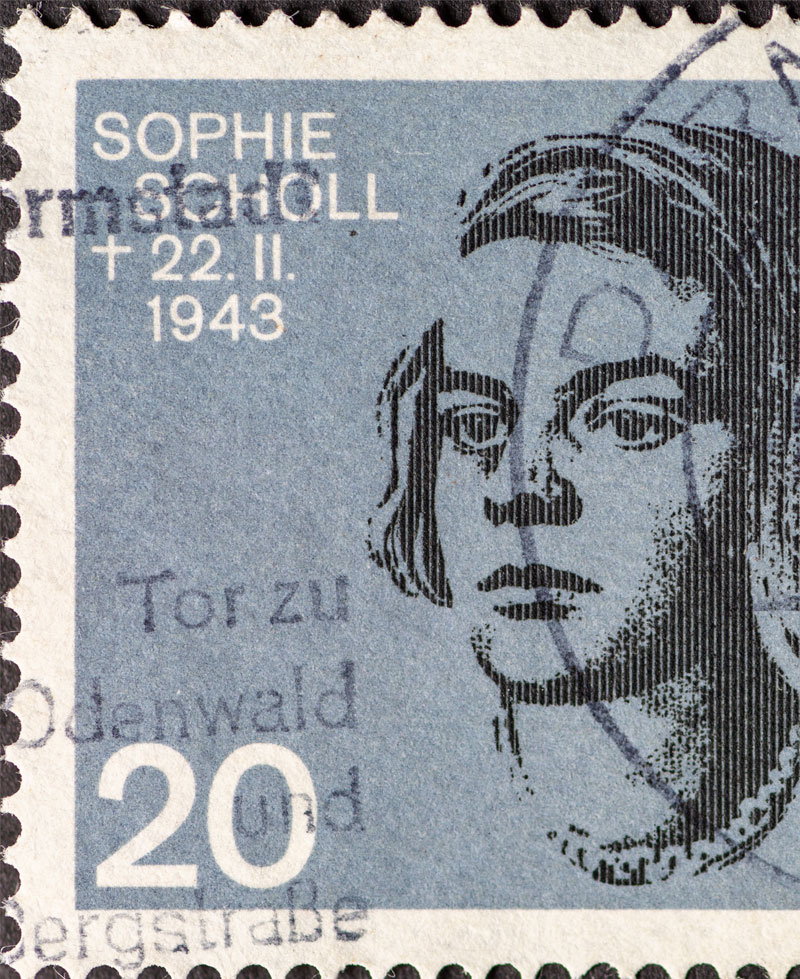
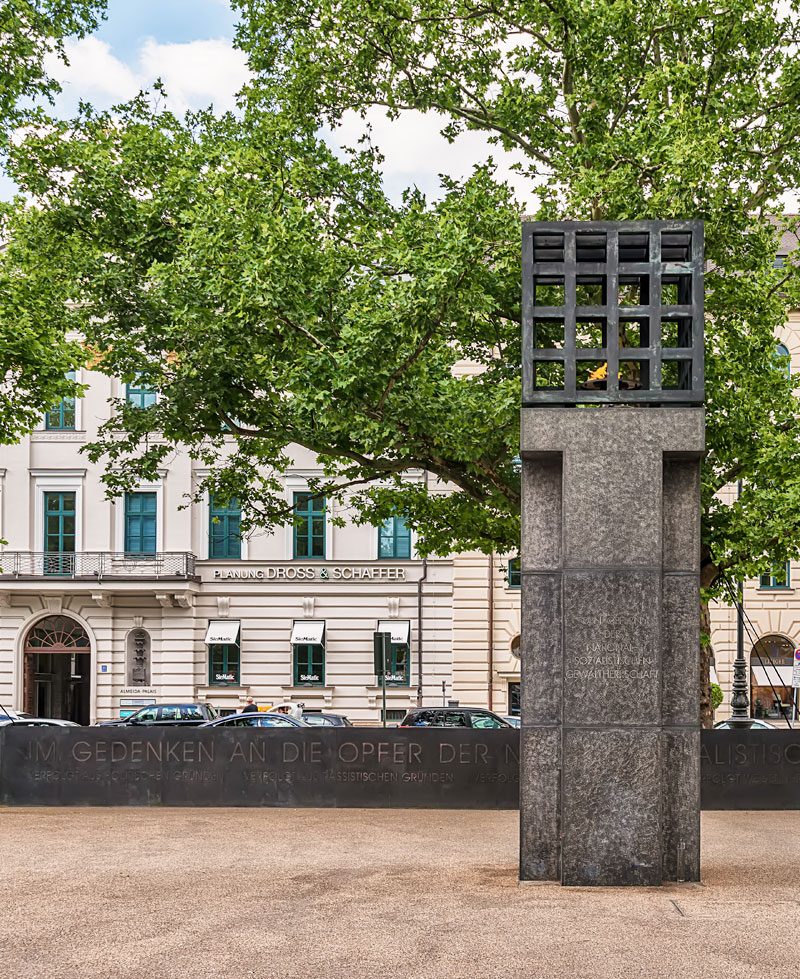
Of course, we will also address the various victim groups – the "Eternal Flame" at the "Square of the Victims of National Socialism" offers a good opportunity for this. And we will learn what happened on Kristallnacht in Munich. It is also important to me to give a voice to those who courageously stood up against the tyranny at that time, often risking their own lives in the process, such as the members of the "White Rose" resistance group or Georg Elser. He attempted to neutralize the dictator Hitler by planting a bomb in the Bürgerbräukeller.
Examining the original locations helps illuminate various aspects of the ideology of the time. At the "Haus der Kunst," which opened in 1937 as the "House of German Art," we not only examine the typical architecture of the period but also examine the extent to which art was used for propaganda purposes. And at the Feldherrnhalle on Odeonsplatz, we can vividly demonstrate how Munich was used as a stage for pseudo-religious party propaganda during Nazi rule. In doing so, we never lose sight of the question of how the rise of this terror regime was even possible, and together we uncover the various reasons for it.
Many stops on this tour demonstrate that our city has long struggled to come to terms with its past. However, since the opening of the new Nazi Documentation Center, which is also on our route, we too have found a place where we can explore the causes, manifestations, and consequences of the Nazi dictatorship right up to the present day.
At a glance:



The most important things in brief:
Duration:
Available as a 2-, 3- or 4-hour tour
Distance:
That depends entirely on your wishes, approximately 2-4 km.
Tailor-made:
Depending on your interests and the time you have available, we can make this tour either a short overview or a historically detailed tour –
I'd be happy to advise you!
Can be combined with:
my leadership Munich in the resistance or
a visit to the Dachau concentration camp memorial
Member of the Munich Tourist Guide Association eV


Member of the TIM Tourism Initiative Munich

„"In 2019, I booked a themed tour, 'Munich – Capital of the Movement,' for my class for the first time. Our guide that day was Ms. Grit Ranft. I would like to take this opportunity to thank her most sincerely for the friendly and knowledgeable tour. Ms. Ranft addressed the needs of the students and consistently involved them in the tour. She answered all their questions expertly, ensuring that all the students remained highly focused throughout. On behalf of the entire class, I can only express my gratitude and praise to Ms. Ranft for making the tour such an interesting and informative experience. I wholeheartedly recommend her and, apart from the years affected by the pandemic, have booked her again every year. I have already booked her for our next excursion to Munich."‚
Stefan Breyer, History teacher at Ludwigsgymnasium Saarbrücken, December 2025
My tips for before and after our tour:
After this challenging tour, the students especially deserve a change of pace – why not stop by the Eisbach surfers? We can even do that as a break during the tour! (As of January 2026, the surf wave is unfortunately still missing, but the city has promised its return in the spring…) Or you could treat yourselves to a meal in the „Golden Bar“" in the House of Art A refreshment?
Anyone wishing to learn more about National Socialism can do so in detail in the Nazi Documentation Center at Königsplatz. Or after the guided tour to Memorial Site White Rose eV. Continue on to the university to admire the atrium where the resistance group distributed leaflets in 1943. Of course, I can also recommend my walking tour on the topic of "Resistance in Munich," or you could visit the Dachau Concentration Camp Memorial Site, which offers an even deeper insight into the history of National Socialism.
Frequently asked questions:
What age is this tour suitable for?
Can this tour be shortened?
Can one also visit the former “Führerbau” from the inside?
Still questions?
Write to me or just call me:
Grit Ranft
and the Dachau Concentration Camp Memorial
phone
Request a tour:
Evaluation
„"During our guided tour, Grit competently, humorously, and entertainingly showed us many new aspects of Munich. In particular, her explanations of Hitler's rise to power in Munich, using historical photos at the original locations, were truly immersive history.".
From communication to processing, everything was top-notch – 1+ with a star.“
Claus Reher from Burgkirchen an der Alz,
on the occasion of a team outing in November 2024