
 EN
EN  DE
DE A majestic journey through the ages
Munich – Residence of the Wittelsbachs
Impressions
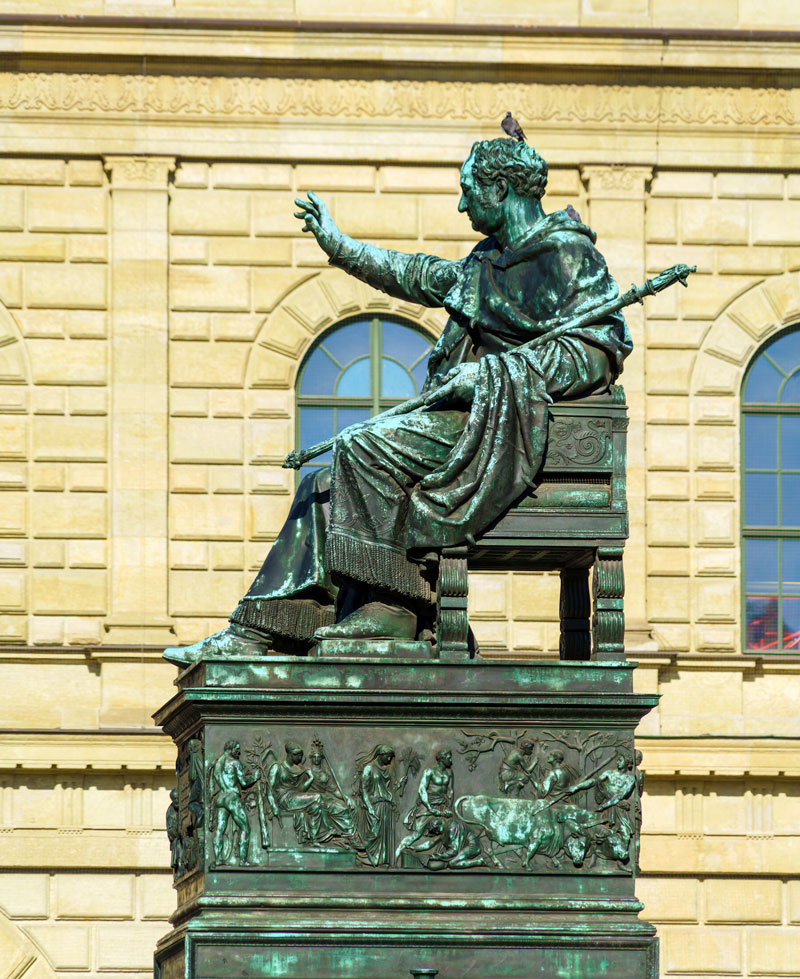
Description:
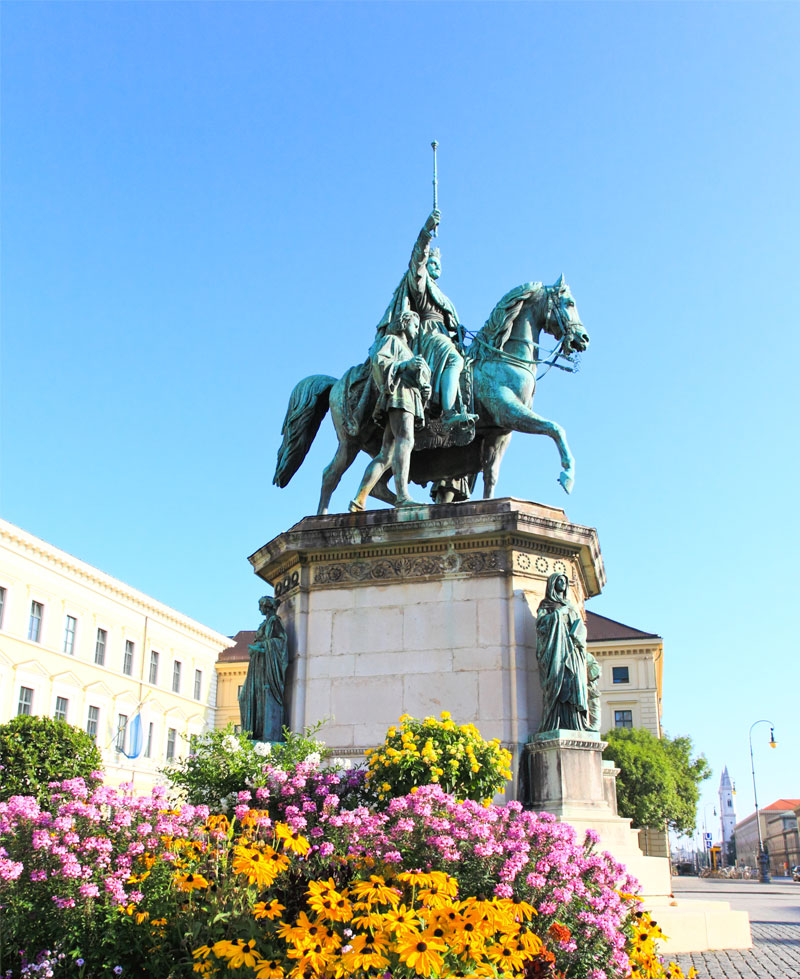
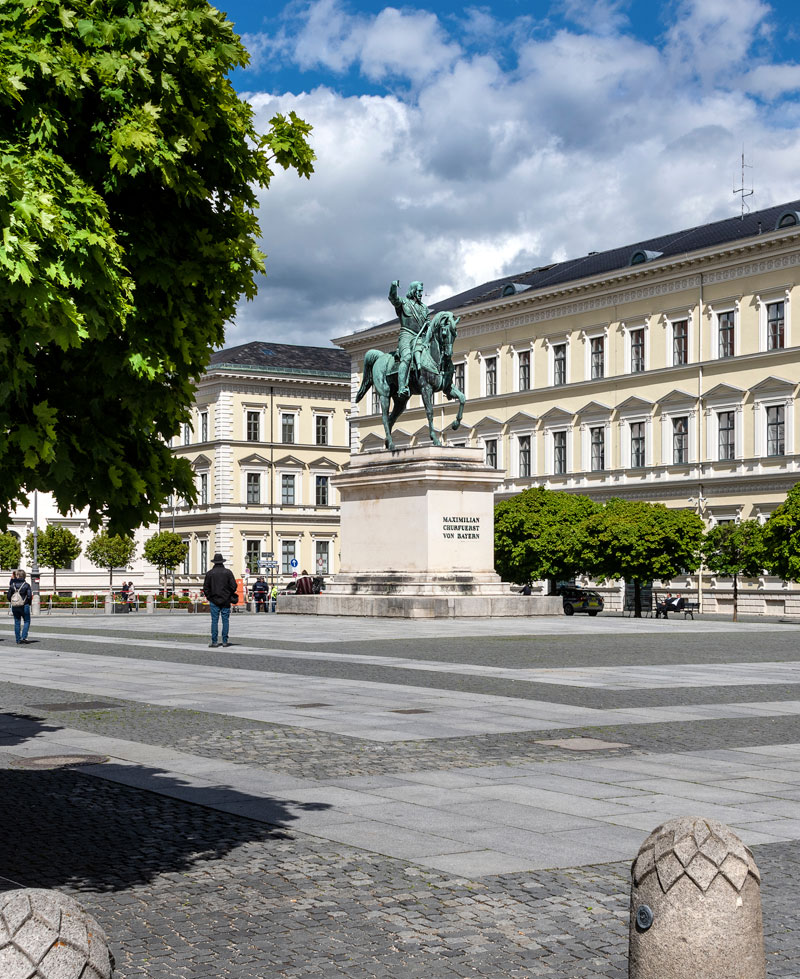
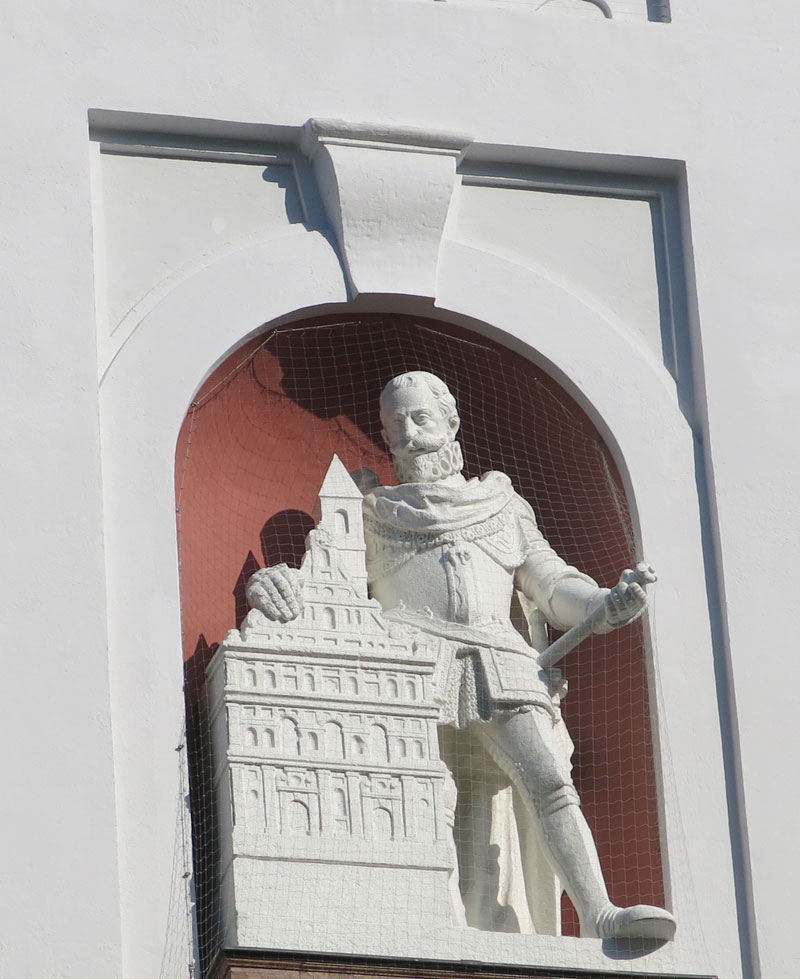
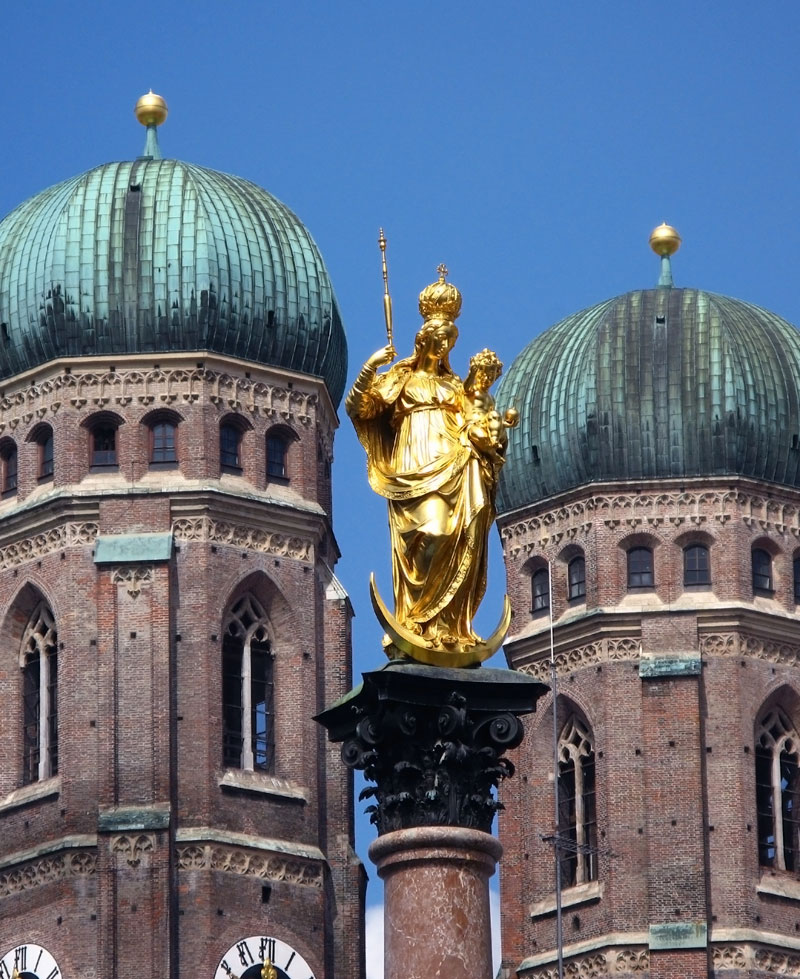
Since 1180, the noble family of Wittelsbach has determined the history of Bavaria and, with its decision to choose Munich as its residence city, has shaped its appearance throughout the centuries.
Whether medieval dukes, baroque electors, or enlightened kings, they all left their architectural mark on their cities – always very much in tune with the times! On this tour, we'll not only admire fantastic buildings from the Gothic, Renaissance, Baroque, and Classical periods, but we'll also get to know the most important rulers and their families (almost) personally. And of course, a scandal or two is bound to come up!
And should you have gotten the impression that only male Wittelsbachs might play a role in our gathering, you are of course mistaken – duchesses, queens, princesses and noblewomen are just as much a part of the group as some ladies of lesser social standing! Prepare to be surprised!
Read more
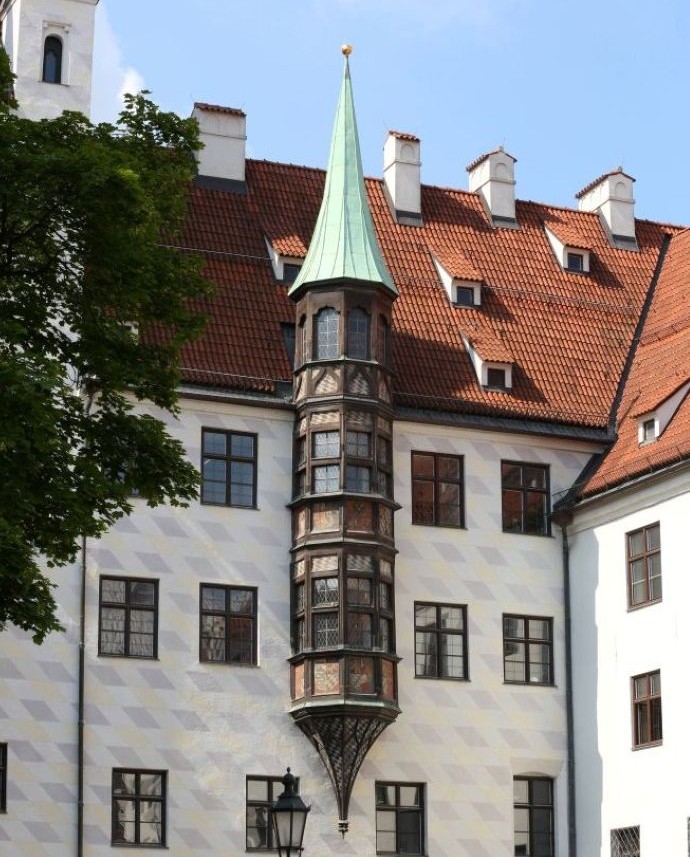
The first Wittelsbach duke to the throne in Bavaria was named Otto, but the hit rate is still quite high if you answer the question "What was the name of the Bavarian ruler?" in Munich with Max or Ludwig! In fact, over 700 years ago, a Ludwig with the dubious nickname "the Strict" laid the foundation for what would later become the royal seat of Munich when he had a medieval fortress built here. Today, this fortress is known as the "Alter Hof" (Old Court) and as the annual backdrop for the Franconian Wine Festival—or as the Imperial Castle, because it was here that Ludwig "the Bavarian" ruled in the first half of the 14th century. As emperor, he placed our city at the center of the Holy Roman Empire of the German Nation.
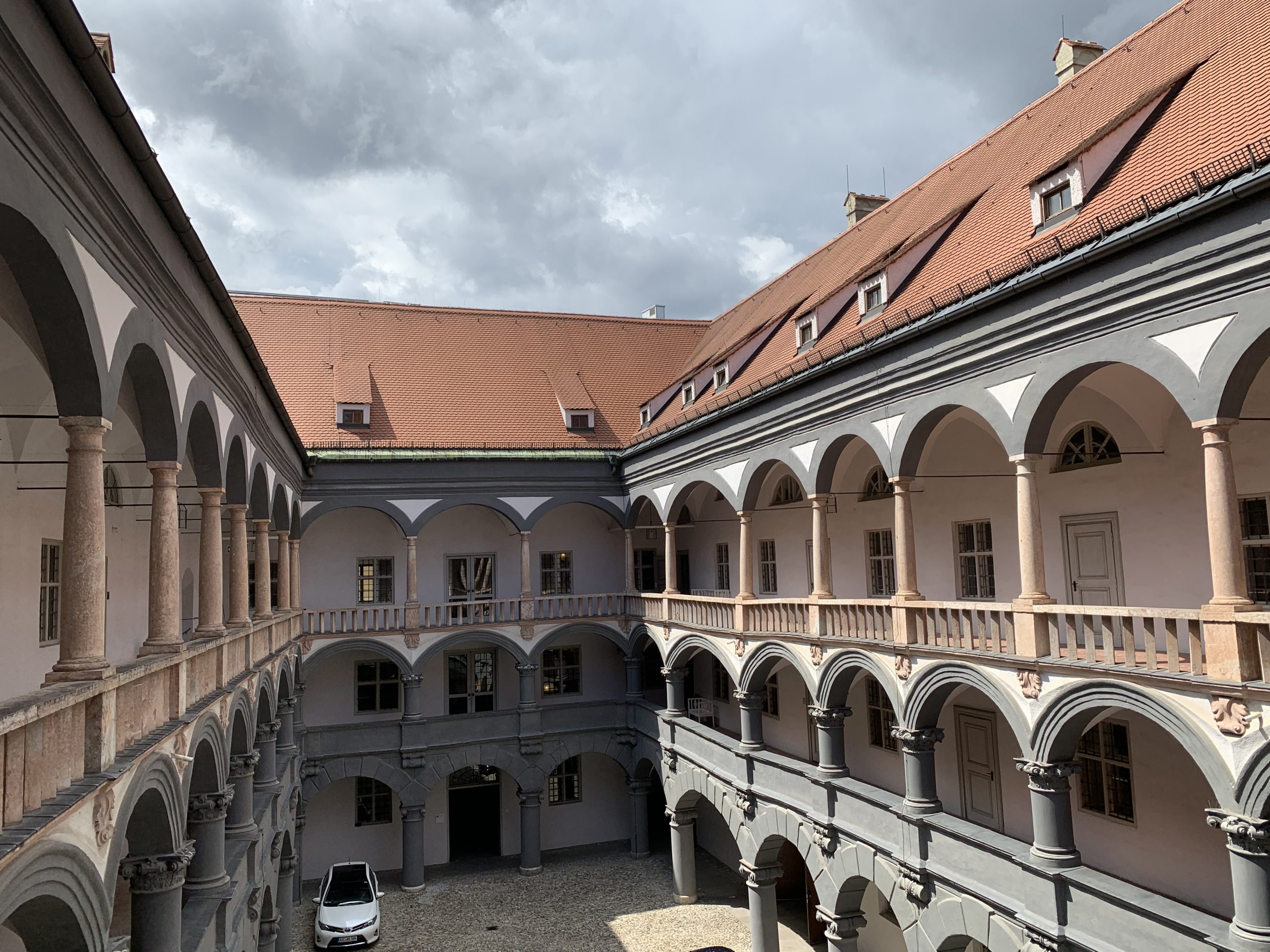
In the 14th century, the ruling family was forced to move to the so-called Neuveste, which is considered the initial building for today's residence. A conglomerate of diverse architectural styles, which can be admired from the outside in the quiet courtyards, it bears witness to the different eras that shaped the Wittelsbach reign.
In the late Renaissance of the 16th century, devout dukes defended the Catholic faith, thereby elevating their lands to the status of an electorate. Subsequent generations lived in Baroque splendor, and at the height of absolutism, the Bavarian Elector Karl Albrecht learned that pride, even for the Wittelsbachs, comes before a fall! The Enlightenment and the French Revolution led to the opening of the court garden, which offers us particularly beautiful views of the palace.
Then, in 1806, came the great bombshell: Bavaria was elevated to a kingdom by Napoleon's grace and acquired its present-day borders. Naturally, the monarch didn't hold back, building grand theaters and opulent boulevards, and sprucing up the Residence with neoclassical facades. If dreams soared even higher, as with the legendary King Ludwig II, one might even indulge in a palm-filled winter garden on the palace roof – but where is it today? Perhaps Prince Regent Luitpold, who assumed regency after the death of the fairytale king to shape the "good old days" in Munich, had something to do with it? Of course, only hand-picked businesspeople could guarantee appropriate quality in both cuisine and furnishings, which is why they wanted to rely exclusively on the Royal Bavarian Court Purveyors.
But the Bavarian ruling house also fell after more than 700 years of rule when Kurt Eisner proclaimed the Free State of Bavaria in the revolutionary year of 1918. However, the present-day state capital is still marked by the legacy of the royal era.
At a glance:



Immerse yourself in the worlds of different centuries. What social circumstances, political constellations, and international influences shaped the rulers, and above all, how were these reflected in their architectural legacy?
The most important things in brief:
Meeting point:
As always, we would be happy to come to your hotel or according to your personal wishes;
Max-Joseph-Platz or Marienplatz (U3/U6 and S-Bahn) are particularly suitable starting points.
Duration:
Bookable as a 2 or 3-hour tour
Distance:
approx. 2 km
Group size:
max. 25 people
Tailor-made:
Do you have a favorite ruler? Let me know and we'll make the tour a truly personal experience for you!

Member of the Munich Tourist Guide Association eV


Member of the TIM Tourism Initiative Munich
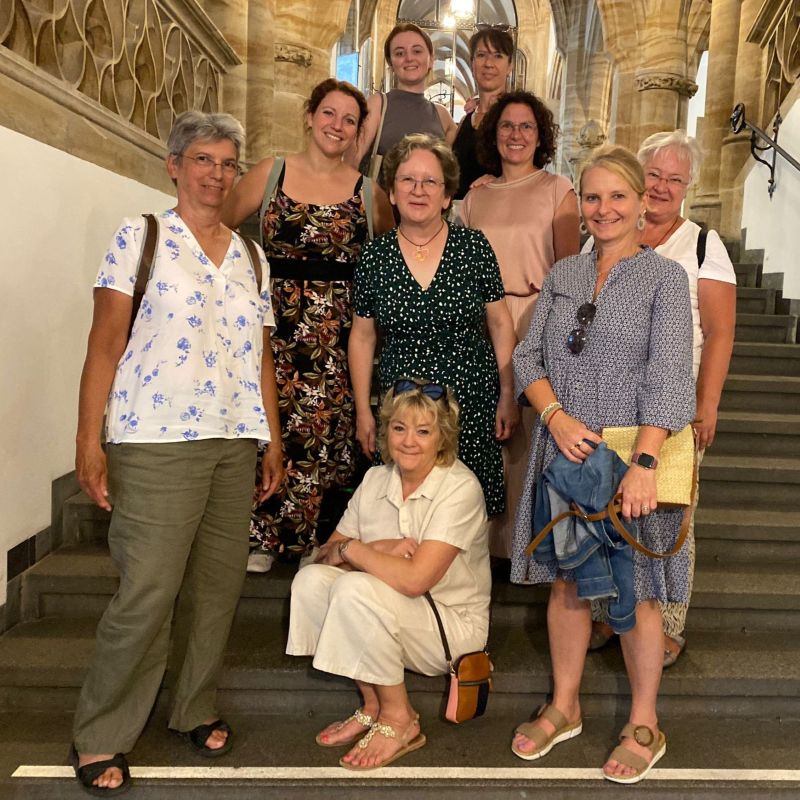
„"Our group had a very informative afternoon! We were shown parts of Munich that we, even though we come from the surrounding area, didn't know existed. Ms. Ranft addressed our questions and requests. All in all, a successful tour! We'd love to do it again!"“
Gabriela Bamberg, Girlfriends' trip to Munich in July 2024
My tips for before and after our tour:
You're probably completely exhausted from all that Wittelsbach power after this tour! Then why not take a break and go shopping – in a manner befitting your station, of course! You could, for example, sample the offerings of the former purveyors to the royal court: delicacies at... Dallmayr, textiles at Ludwig Beck, cigars at Zechbauer or gloves at Röckl.
However, if you would like to learn more about the Wittelsbachs, I would be happy to take you on my guided tour of the Residence, where you can get the best insight into the aristocratic life of this fascinating family.
Frequently asked questions:
Will church buildings also be part of the tour?
Can we stop for a bite to eat or drink together during the tour?
Will we also talk about the architecture and the respective architects of the era on this tour?
Still questions?
Write to me or just call me:
Grit Ranft
and the Dachau Concentration Camp Memorial